

When Is the Best Time to Visit the Galapagos Islands?
21 January 2026 · Written by Lulu Townsend · Travel & Lifestyle
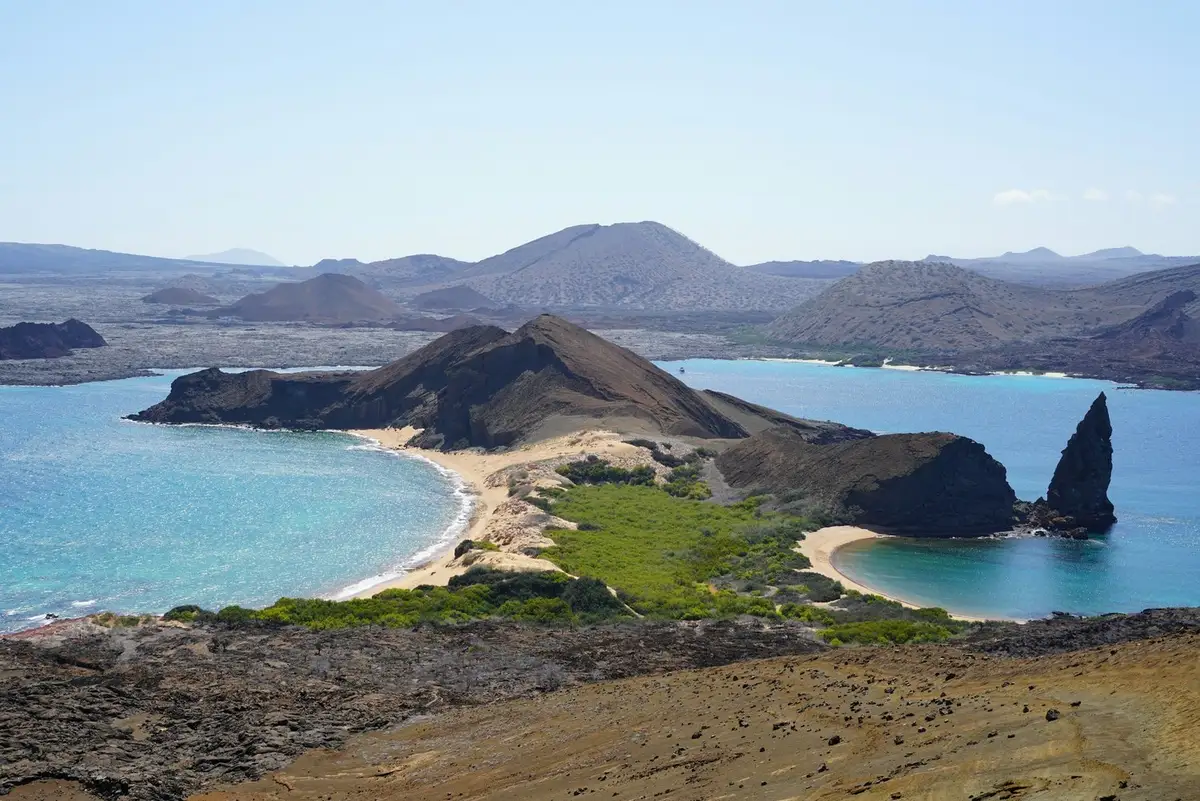
Planning a trip to one of the world's most extraordinary destinations requires careful consideration of timing, wildlife patterns, and weather conditions. The Galapagos Islands offer year-round opportunities for unforgettable experiences, but understanding the seasonal variations can help you choose the perfect time for your adventure. Whether you're hoping to snorkel with sea lions, observe nesting seabirds, or witness the famous marine iguanas, timing can make all the difference in your journey.
Understanding the Two Main Seasons
The Galapagos Islands experience two distinct seasons that shape the visitor experience throughout the year. The warm season runs from December through May, bringing higher temperatures, occasional tropical showers, and calmer seas. During this period, the water temperature averages around 75°F, making it ideal for extended snorkelling and diving sessions.
The cool season, spanning June through November, is characterised by the Humboldt Current bringing cooler waters and nutrient-rich conditions. While air temperatures remain pleasant in the mid-70s, water temperatures can drop to around 65°F. This season brings misty mornings known as "garúa" and choppier seas, but it also creates exceptional conditions for marine life viewing.
Wildlife Watching Throughout the Year
One of the most remarkable aspects of the Galapagos is that wildlife encounters are guaranteed regardless of when you visit. However, different months showcase different behaviours and species. From January to March, green sea turtles nest on the beaches, while flamingos display their vibrant plumage in full breeding colours.
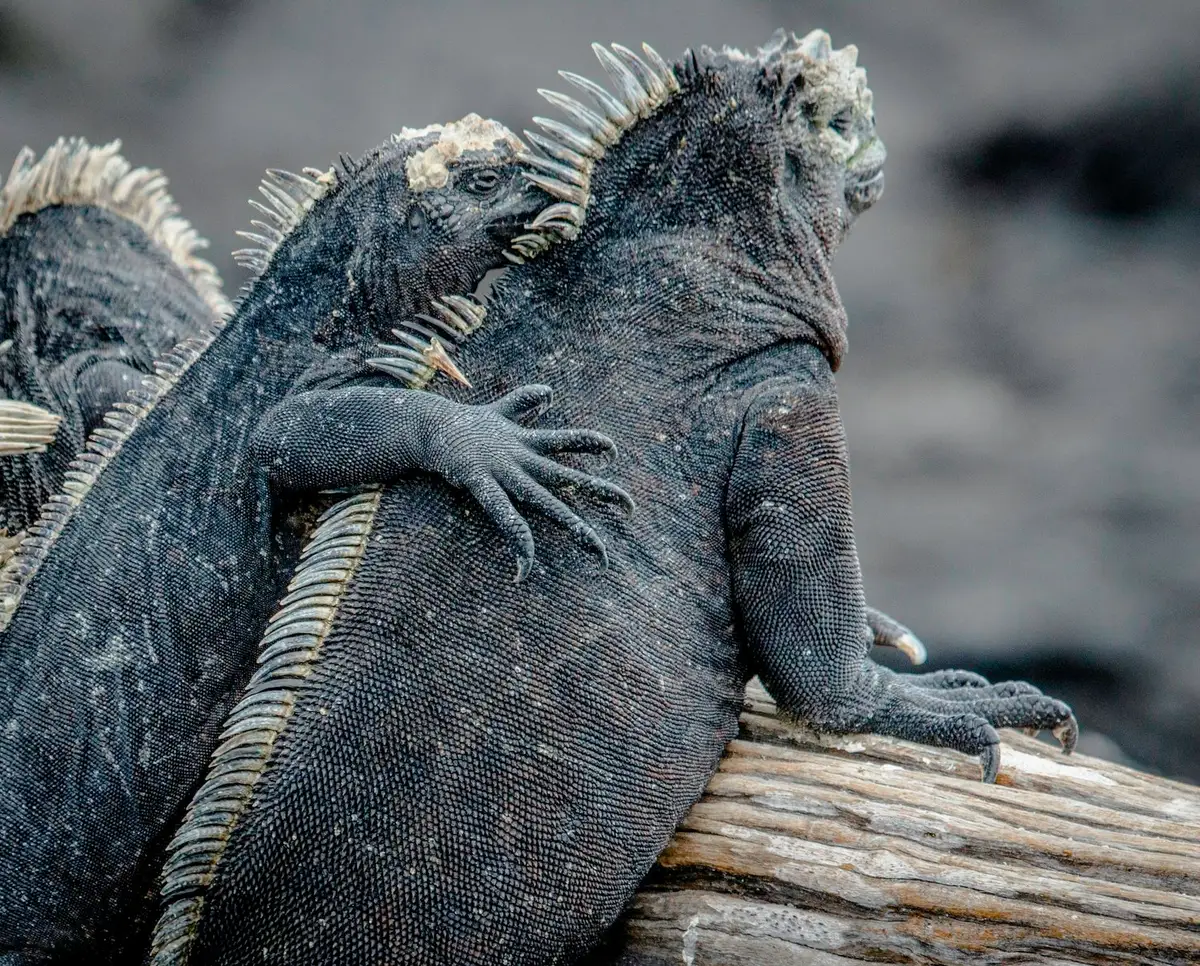
April and May mark the arrival of waved albatrosses on Española Island, one of nature's most impressive spectacles. June through August brings the peak of whale shark season around Darwin and Wolf Islands. September and October offer excellent opportunities to observe sea lion pups playing in the shallows, while November and December showcase the beginning of giant tortoise nesting season.
Water Conditions and Marine Activities
Water clarity and temperature significantly impact snorkelling and diving experiences. The warm season provides the most comfortable water temperatures and excellent visibility, making it perfect for those who prefer extended time in the water without thick wetsuits. The underwater world comes alive with tropical fish, rays, and playful sea lions during these months.
The cool season, despite cooler waters, attracts serious divers and snorkelers because the nutrient-rich currents bring larger marine species. Hammerhead sharks, manta rays, and dolphins become more common during these months. While you'll need a thicker wetsuit, the marine encounters often prove more dramatic and diverse.
Considering Crowds and Availability
Peak tourist season in the Galapagos coincides with North American and European holidays. December through January and June through August see the highest visitor numbers, which means booking Galapagos luxury cruises well in advance becomes essential during these periods. Prices also reach their highest points during these months.
The shoulder seasons of April to May and September to November offer a sweet spot for many travellers. You'll encounter fewer tourists, enjoy more competitive pricing, and still experience excellent wildlife viewing opportunities. These months provide an ideal balance between favourable conditions and manageable crowds.
Weather Considerations for Your Comfort
Temperature variations in the Galapagos are relatively mild year-round, but humidity and precipitation patterns differ between seasons. The warm season brings occasional afternoon showers that rarely last long but can be intense. These tropical downpours actually enhance the landscape, turning the typically arid islands surprisingly green.
The cool season's garúa creates overcast mornings that often clear by afternoon. While some visitors find this weather less appealing for photography, others appreciate the dramatic lighting and comfortable temperatures for hiking. The cooler air temperatures make exploring the volcanic landscapes more pleasant during midday hours.
Making Your Final Decision
The best time to visit the Galapagos ultimately depends on your priorities and preferences. If swimming comfort and sunny skies top your list, plan for December through May. If you're passionate about marine biodiversity and don't mind cooler waters, June through November delivers exceptional underwater experiences.
Consider what wildlife behaviors you most want to witness and plan accordingly. Research specific species' breeding and migration patterns to align your visit with particular natural phenomena. Remember that the Galapagos offers remarkable experiences every month of the year, so there's truly no wrong time to visit.
Your journey to this living laboratory of evolution will be extraordinary whenever you choose to go. The key is matching your expectations with seasonal patterns to create the perfect Galapagos adventure tailored to your interests and comfort level.