

The Art of Slow Luxury Travel in Indonesia: From Ubud Retreats to Komodo Yachts
16 July 2026 · Written by Lulu Townsend · Travel & Lifestyle
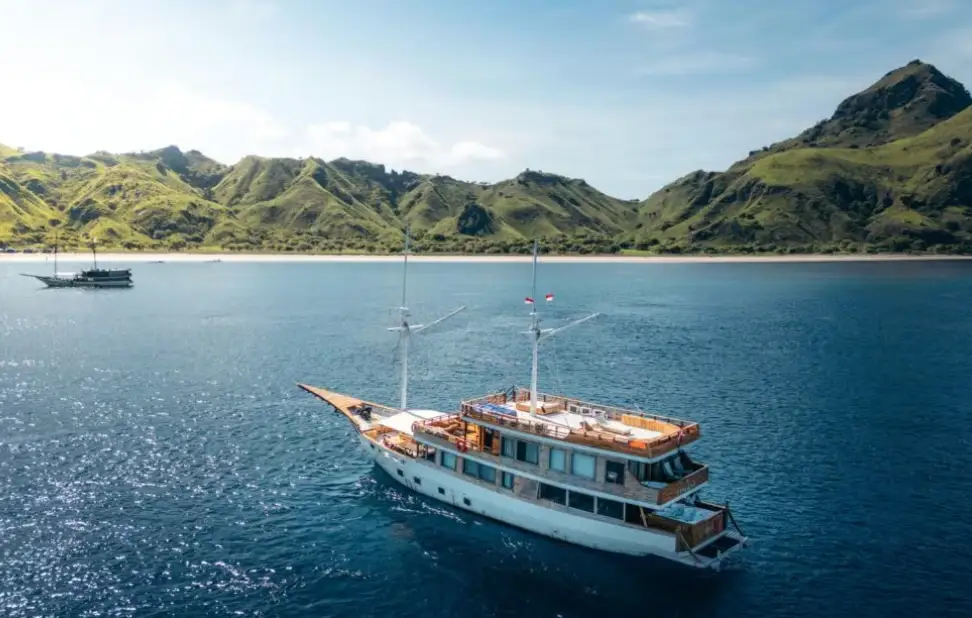
Luxury in Indonesia is at its most convincing when there is no rush to reach the next place. The country rewards travellers who allow a destination to unfold gradually: several mornings in the same Ubud villa, an unhurried lunch overlooking rice fields, or a few days aboard a private yacht where the route is shaped by weather and water rather than a rigid timetable.
A slower itinerary does not mean sacrificing ambition. It means choosing fewer stops, creating space around transfers and letting each part of the journey feel complete. In a country spread across thousands of islands, that approach also happens to be the more comfortable way to travel.
Begin With Stillness in Ubud
Bali is often treated as a single destination, but moving between its busiest areas can consume more time than a map suggests. A slow luxury itinerary should therefore begin with one carefully chosen base rather than an attempt to sample every corner of the island.
Ubud works particularly well as an opening chapter. Its appeal lies beyond the centre, where private villas and small retreats sit among forested valleys and working rice fields. Staying slightly outside town creates a different rhythm: breakfast without traffic outside the door, time for a treatment before lunch and evenings that do not need to be organised around reservations.
For a restorative stay, the room matters less than the setting and service. A large suite is pleasant, but privacy, thoughtful housekeeping and easy access to wellness facilities have a greater influence on how the days feel. Ask whether the property provides scheduled transfers into central Ubud, whether treatments must be reserved in advance and whether restaurant service continues after a late arrival.
Three or four nights provide enough time to settle rather than merely recover from the flight. One day might be reserved for the retreat itself, another for galleries and independent shops, and a third for a private excursion arranged around the quieter hours. The aim is not to fill the diary but to avoid leaving just as the destination begins to feel familiar.
Let the Hotel Shape Part of the Itinerary
In slow luxury travel, accommodation is not simply where the traveller sleeps between activities. It is part of the reason for choosing the destination.
Indonesia’s more considered retreats often bring several experiences into one place: regional cooking, guided walks, meditation, spa rituals and access to local artisans. Using those facilities is not a failure to “see enough”. It is often a better use of time than spending half the day in a vehicle to reach a location selected mainly because it photographs well.
Before booking, look beyond the pool and bedroom images. Study the property’s daily programme and ask how personalised it can be. A private yoga session at a sensible hour may be more appealing than a fixed sunrise class. A chef’s dinner in the villa may suit the evening after a long outing better than another drive into town.
Meal plans deserve similar attention. Full board can be convenient at an isolated property, but it may feel restrictive if local restaurants are part of the appeal. The better arrangement depends on location. In remote areas, reliable in-house dining is a luxury; close to Ubud, flexibility may be more valuable.
The most refined stays remove small decisions without controlling the entire day. They make it easy to remain at the property while leaving enough freedom to change plans.
Treat Transfers as Part of the Experience
Indonesia is not a destination where a complicated route should be planned down to the minute. Domestic flights, road journeys, boats and weather conditions introduce too many moving parts. The sensible response is not to avoid travelling between islands, but to build breathing room around every transition.
Do not place an important yacht departure immediately after a domestic flight if the schedule allows another option. Arriving in the embarkation area one night earlier creates protection against delays and replaces an anxious connection with a proper dinner and an early night.
Private transfers also deserve more thought than they usually receive. Confirm the meeting point, vehicle size and approximate journey time directly with the hotel or travel organiser. At smaller airports, the driver may be waiting outside the terminal rather than in the arrivals hall. At ferry points, luggage may pass through several hands before reaching the boat.
Connectivity should be arranged with the same attention as transfers, particularly when confirmations, driver messages and domestic flight updates are spread across different apps. An Indonesia eSIM with top ups allows the initial data allowance to be extended during the trip, which suits an itinerary whose length and mobile usage may change once the traveller moves beyond the first hotel.
Keep essential details available offline as well. Save the yacht operator’s telephone number, screenshots of transfer instructions, accommodation addresses and copies of domestic tickets. Good preparation should make the phone useful without making the entire journey dependent on a live connection.
Move From the Hills to the Sea Gradually
The transition from Ubud to Komodo should not feel like changing channels. A well-paced itinerary creates a buffer between the stillness of inland Bali and several days at sea.
Depending on flight schedules and the point of embarkation, this may mean spending the night near the departure harbour or a short stay at a coastal hotel. The extra stop should be functional but comfortable: efficient airport collection, dependable dining, quiet rooms and staff accustomed to coordinating boat departures.
This is not the moment to add an ambitious sightseeing programme. The value of the pause lies in allowing luggage to be reorganised, devices to be charged and the practical details of the voyage to be confirmed.
Pack for the yacht separately from the main trip. Soft luggage is generally easier to store than hard-sided cases, while lightweight layers are useful after sunset or during early tender journeys. Keep swimwear, reef-safe sun protection, medication and a change of clothing in hand luggage in case checked bags are delayed on the domestic sector.
Footwear can remain simple. Most time on board will call for bare feet or light deck shoes, while shore visits may require something with a firmer sole. Expensive evening clothing has little purpose when dinner is served beneath the stars.
Choose a Yacht for Space, Crew and Rhythm
A yacht journey through the Komodo region can be luxurious without resembling a floating hotel. Its character comes from privacy, access and the ability to wake in a different anchorage without repeatedly packing and unpacking.
The vessel’s appearance naturally matters, particularly on traditional-style boats where timber craftsmanship is central to the design. Yet the practical details are more important over several nights. Cabin ventilation, shaded deck space, bathroom layout, and the ratio of guests to crew will shape the experience long after the first impression.
Ask how meals are served and whether dietary preferences can be accommodated throughout the voyage. Clarify how many tenders are carried, as this affects whether guests can follow different schedules. Couples may want a morning on shore, while others remain aboard, rather than having every movement dictated by a single group programme.
The route should also retain some flexibility. Conditions at sea, visibility and anchorage activity may alter the order of visits. A capable crew will adjust the plan rather than force an experience at the wrong moment. This is one of the pleasures of slow travel: the itinerary serves the journey, not the reverse.
A three-night voyage can offer a glimpse of life aboard. Five or more nights allow a more satisfying rhythm to develop, with fewer rushed landings and longer periods in quieter waters.
Protect the Empty Hours
The temptation on a private voyage is to accept every possible activity. There may be opportunities to snorkel, dive, paddle, hike or visit several islands in one day. Doing all of them can turn an exceptional yacht into an elaborate transport service.
Leave at least one part of each day unclaimed. A late breakfast after an early excursion, an afternoon reading on deck or a sunset with no competing plan can become more memorable than another scheduled landing.
The same principle applies in Ubud. A morning treatment loses some of its purpose when followed immediately by a long excursion. Dinner is more enjoyable when it is not squeezed between a return transfer and an early alarm.
Luxury is often described in terms of access: private villas, dedicated crews, and difficult-to-reach landscapes. Slow luxury adds another form of privilege-the freedom not to maximise every hour.
Return With a Soft Landing
The final night should be planned as carefully as the first. Moving directly from a yacht to an international departure leaves little margin for changes and makes the end of the holiday unnecessarily abrupt.
A night or two in Bali after the voyage creates a softer return. Choose a coastal property with convenient airport access, good spa facilities and a dependable late check-out policy. This is the place for a long lunch, laundry service and an evening without logistics.
Avoid treating the stop as a final opportunity to complete a sightseeing list. The purpose is to absorb the shift from sea to shore and prepare for the flight home without dismantling the calm established during the trip.
Indonesia offers enough variety to fill months, which is precisely why a luxury itinerary should resist the urge to try to contain too much of it. Ubud and Komodo provide a satisfying contrast-forest and open water, retreat and exploration-when each is given room to breathe. The art lies not in moving slowly everywhere, but in knowing which moments should never be hurried.