

In my role as Head of Britain’s Finest, I have positioned myself at the very intersection of British hospitality and modern spa experiences. With over twenty years of experience navigating the luxury hotel, travel and wellness sectors, I have vetted the most prestigious spas and boutique retreats and hotels across the United Kingdom.
I would like to think I have become a trusted and honest voice for those looking for authenticity in the luxury market. I possess an encyclopaedic knowledge of what distinguishes a standard hotel stay from a truly restorative ritual. I am a qualified Reiki Master, Yin Yoga and Hatha Yoga Teacher; my expertise is not merely theoretical. As a regular collaborator with leading hoteliers and spa directors, I remain at the forefront of wellness trends, ensuring my audience receives advice that is both aspirational and deeply practical.
1. What sensory elements are most important in creating a true spa atmosphere?
The hallmark of a world-class spa is sensory cohesion. It isn't just about one thing; it's about the seamless transition from the outside world's noise to an inviting retreat. The most important element is lighting, specifically the absence of blue light. Soft, amber-hued illumination signals to the circadian rhythm that it's time to decompress. When you layer that with tactile richness, such as the weight of a high-GSM robe (Frette are my favourite), soft blankets or the coolness of marble, you create an environment where the mind and nervous system have no choice but to surrender.
2. Are there particular smells, sounds, sights and sensations which promote relaxation?
To trigger deep relaxation, look to nature’s palette:
-
Smell: Neroli and Vetiver are my personal favourites. Lavender is a classic, though sometimes sickly, but Neroli offers a sophisticated, citrus-floral complexity that feels more like a Mediterranean escape.
-
Sound: Lean away from generic background music and toward pink noise or natural frequencies like flowing water, which mask distracting sounds.
-
Sights: Minimalism is a visual sedative. Clutter is a stimulant, so a spa sight is often just a clean line, a single orchid, bowl of flowers or flickering candlelight.
-
Sensations: Alternating temperatures. The sensation of a thermal reset, such as warm steam followed by a cool mist, is the quickest way to ground the body. A heated panel on a treatment bed really helps relaxation.
3. How can people recreate a spa environment at home?
The secret is zoning. Your bathroom should not just be where you brush your teeth; it needs a spa/ritual mode.
-
Clear the decks: Hide the plastic shampoo bottles and daily clutter in wicker baskets or closed cabinets.
-
Soundscapes: Invest in a waterproof speaker and create a sanctuary or meditation playlist.
-
The Robe Ritual: Never underestimate the power of a heavy, hotel-quality bathrobe (kept on a heated towel rail if possible). The transition into the robe is the mental gate between the workday and your evening ritual.
4. What small habits can turn an ordinary bath into a restorative ritual?
It is all about making time and having the intention.
-
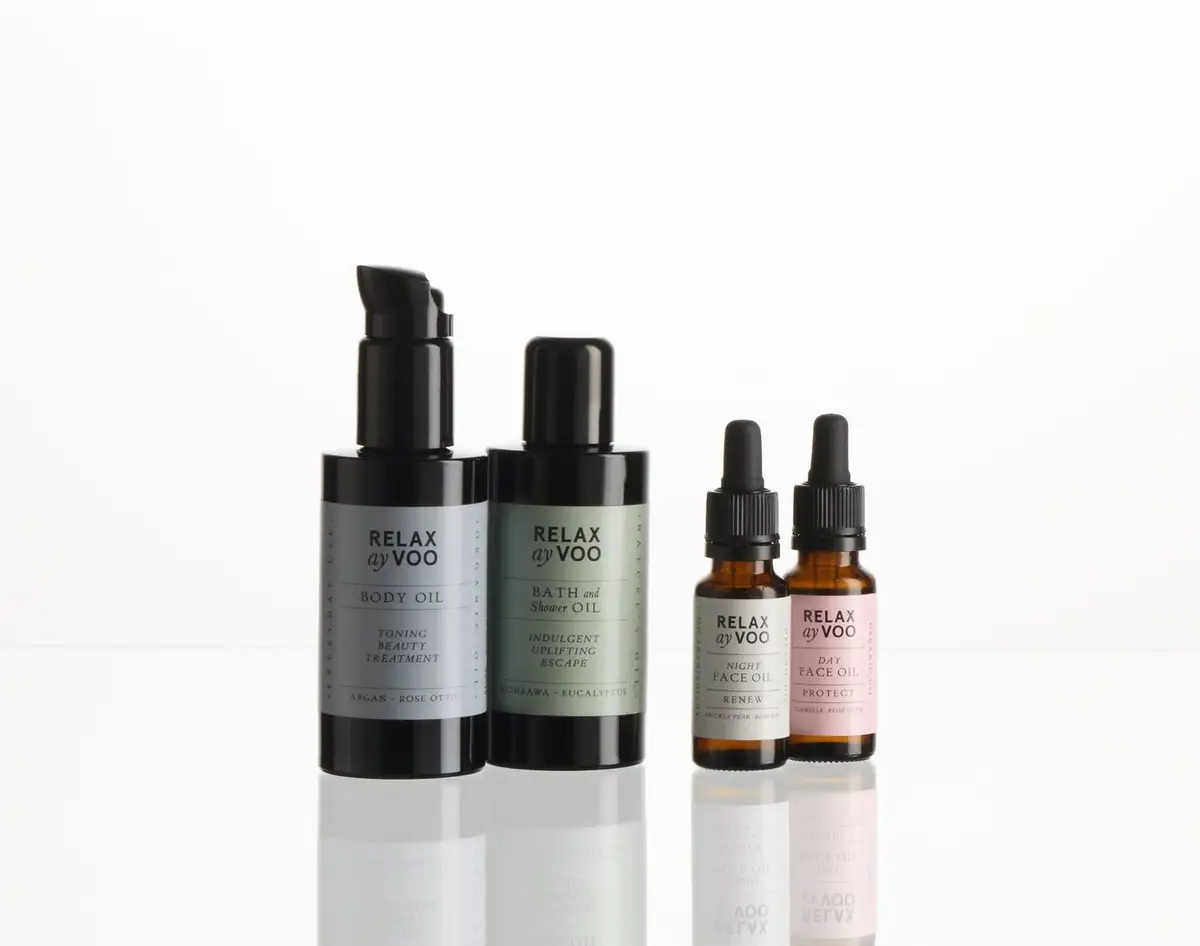
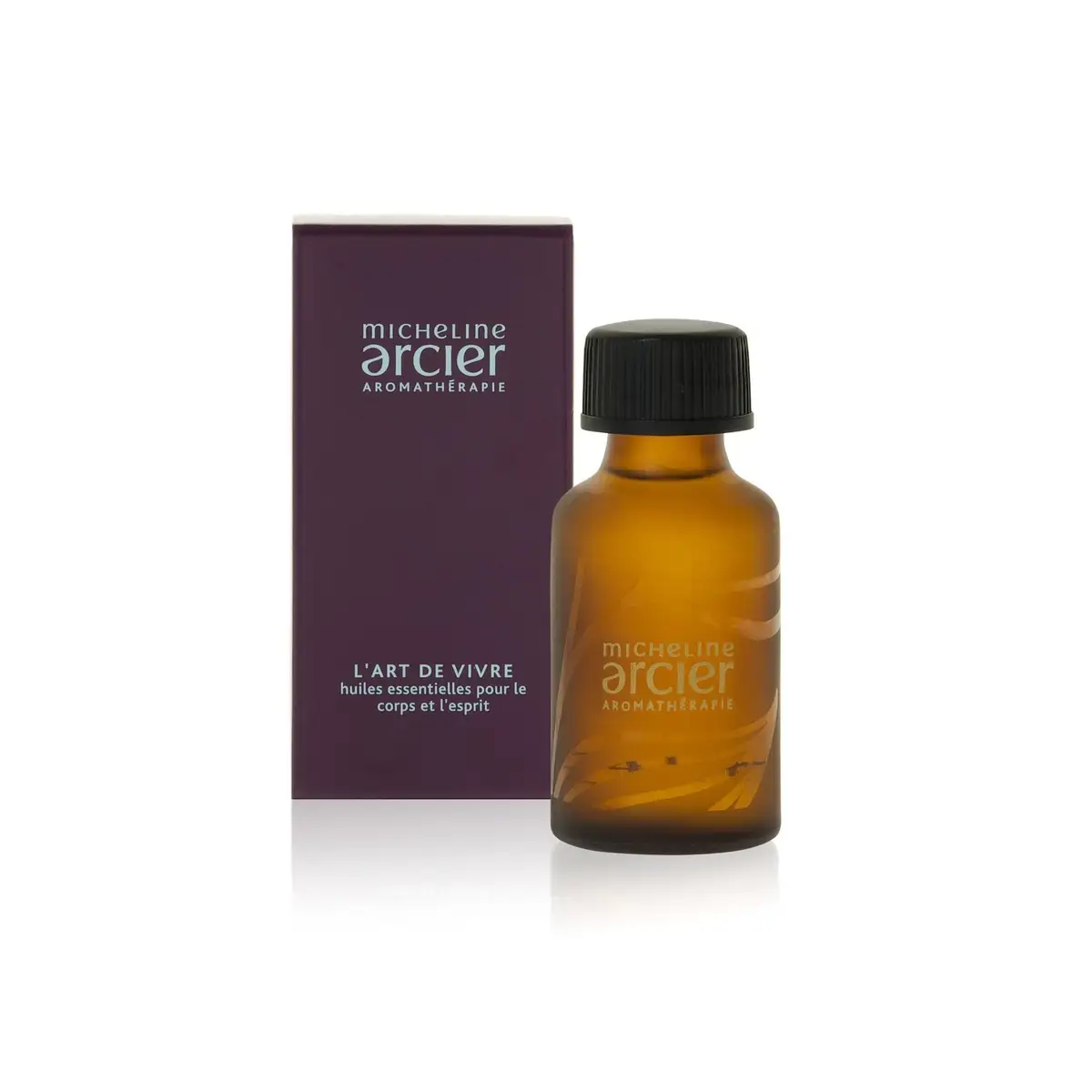
The preparation: Dim the lights, light a candle and start the water running ten minutes before you get in. Add your salts (preferably magnesium or Epsom) - I order Epsom salts in bulk from Amazon and pour a whole bag in to maximise the effects - early so the minerals fully dissolve. I always add oil to my bath, and it’s either the uplifting bath and shower oil from www.relaxayvoo.com or Harmonie or Sommeil drops from www.michelinearcier.com - two of my weekly and travel essentials.
-
The digital detox: This is a non-negotiable. Leave the phone in another room.
-
Guided breathwork: Spend the first three minutes in the water focusing on slow, guided breathing with your eyes closed. This shifts your nervous system from a state of alert to a state of rest far more effectively than the water alone.
5. Are there any affordable tools which make a noticeable difference?
You don't need a five-figure renovation to have a home spa experience:
-
Dry Body Brush: A staple for lymphatic drainage. It costs very little but leaves the skin glowing and the body and mind energised first thing in the morning before you shower. I recommend having two as this saves time.
-
Eucalyptus Bunches: Buy fresh eucalyptus from a florist, tie it with twine, and hang it from your shower head. The steam releases the oils, creating a natural, aromatic steam room effect for the price of a coffee. A friend of mine recommended this and it’s fantastic if you feel like you’re coming down with a cold.
-
Silk Eye Mask: Cooling your eyes with a weighted silk mask while you soak or relax post-bath adds that final touch of sensory deprivation that feels incredibly high-end. You can never have enough!
5. Which are your favourite spas?
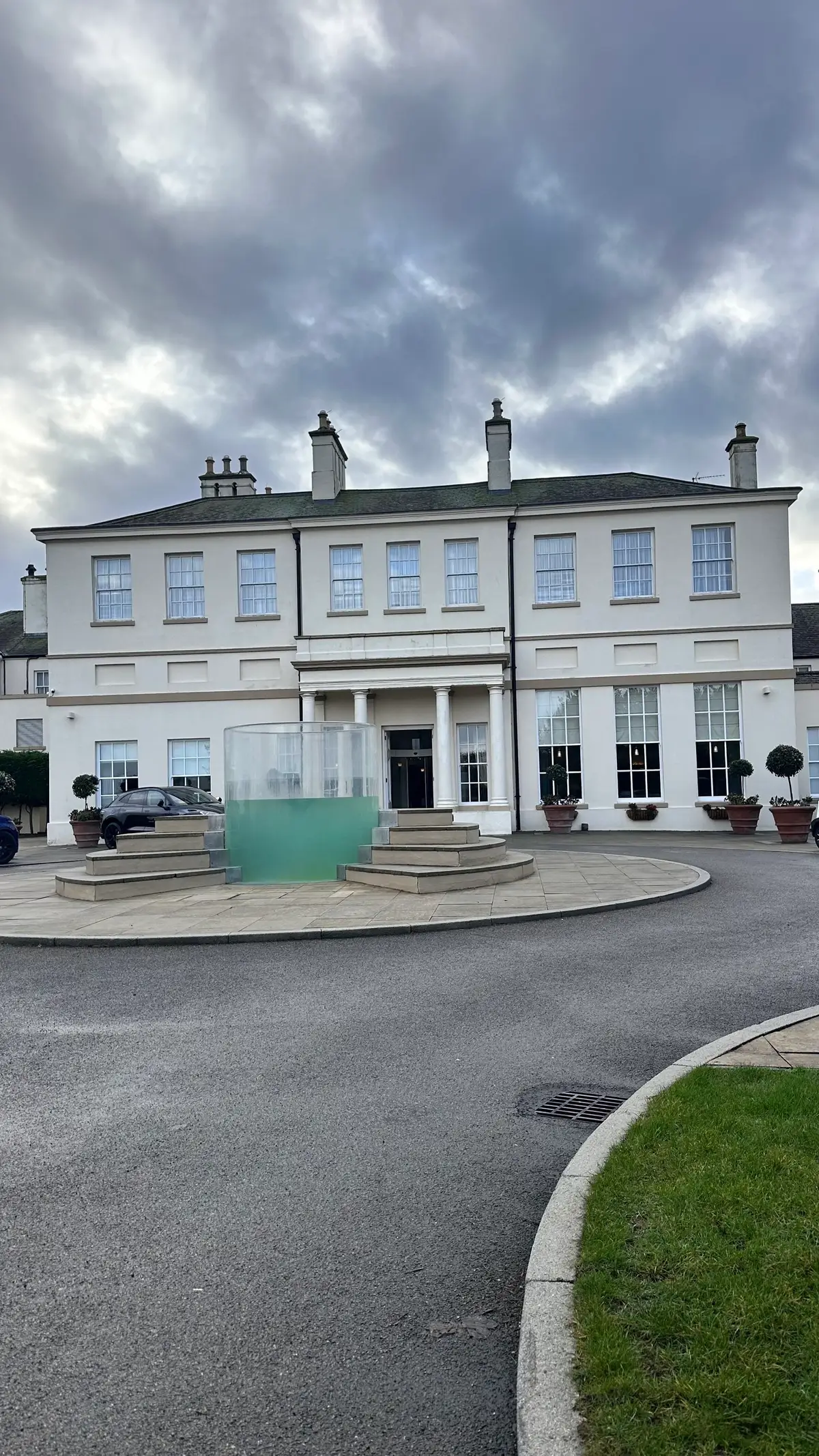
I first visited Seaham Hall Hotel & Serenity Spa long before the hotel opened its doors. I remember walking through the building site in a hard hat, stepping carefully over cables and half-finished floors, trying to imagine what this grand Georgian house would become. Even then, there was a sense of ambition about the project. It was clear that the owners were creating something far more considered than a typical country house hotel.
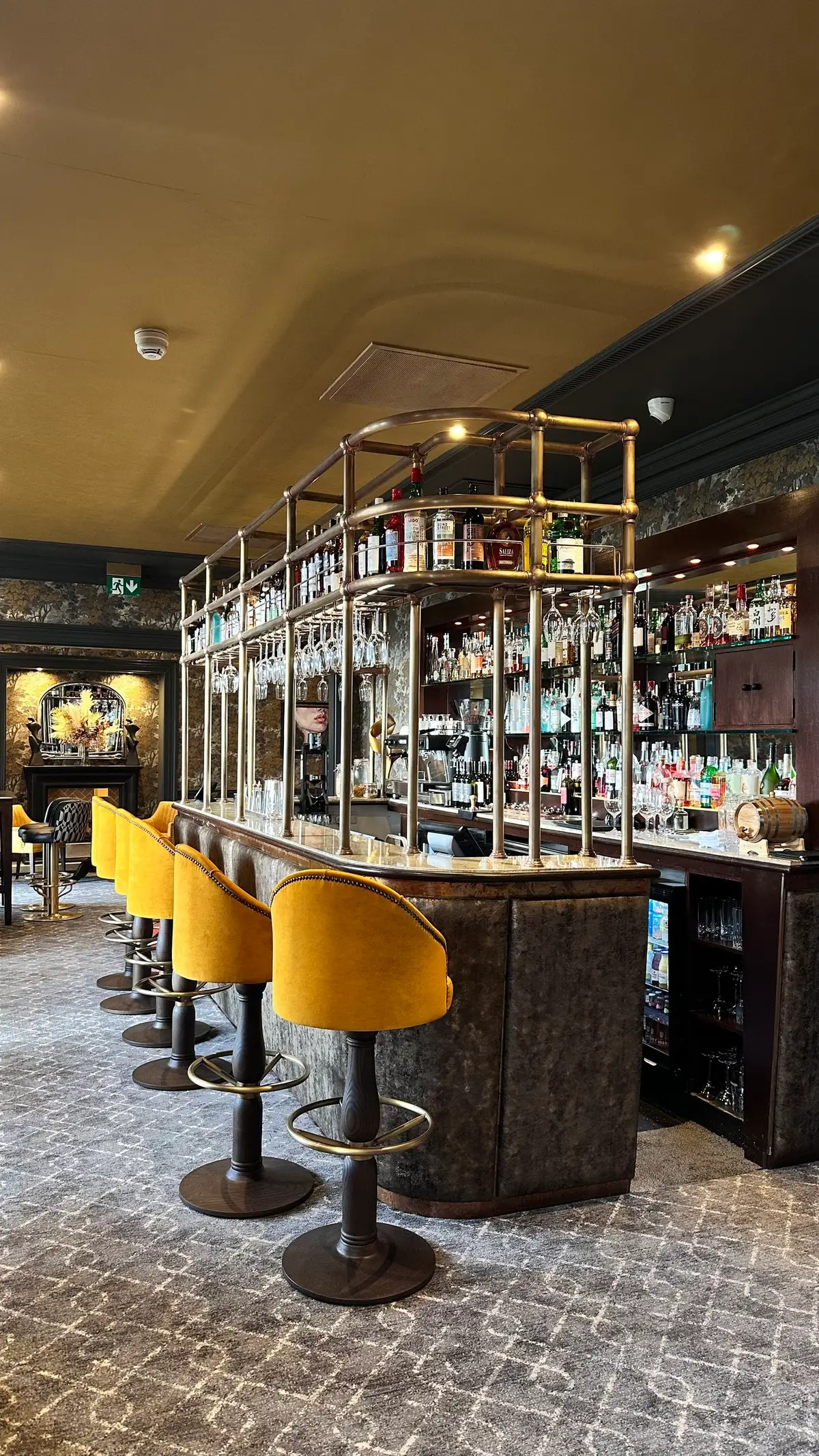
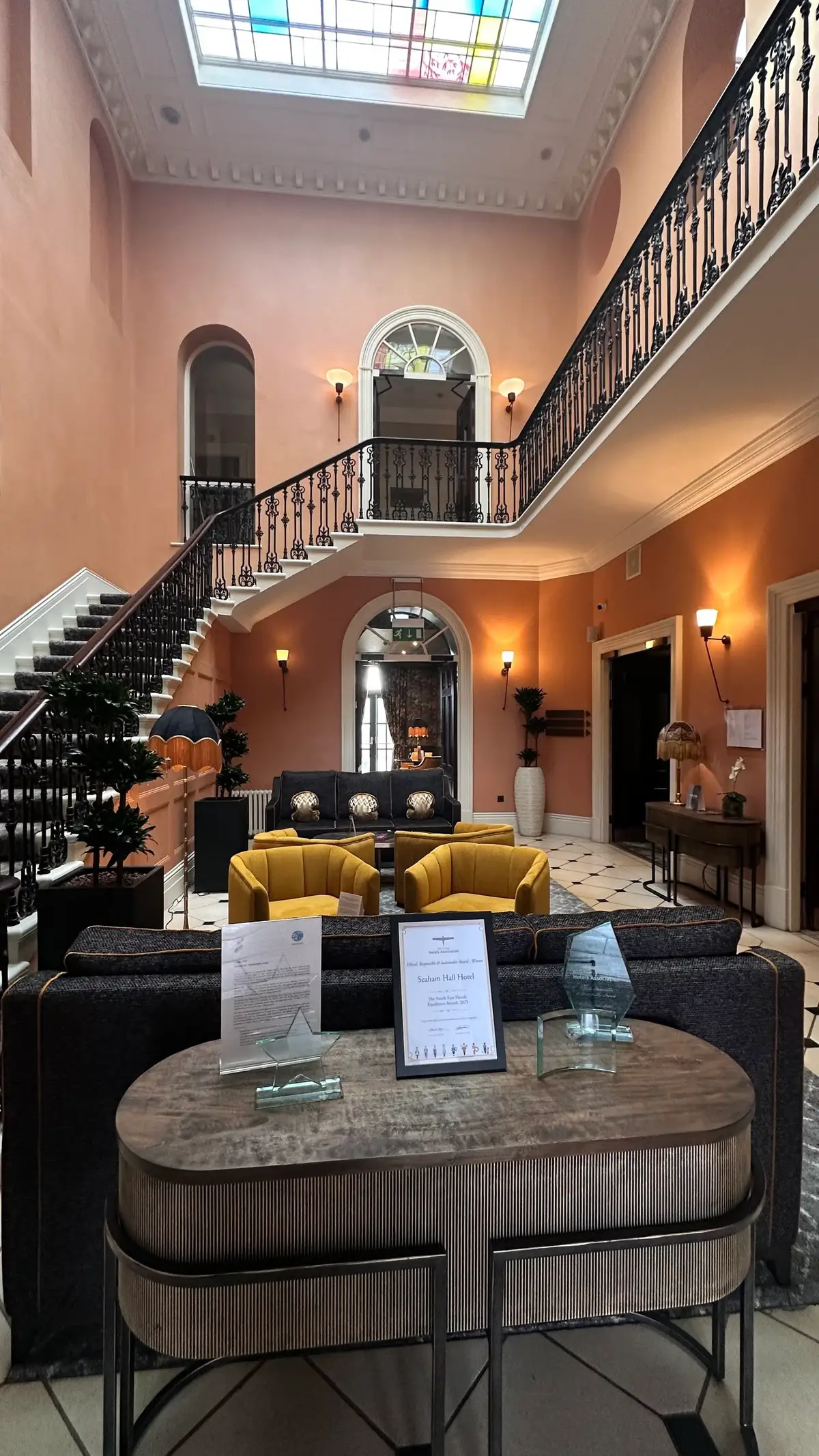
In February 2026 I returned for my latest visit. My mother lives nearby in Bishop Auckland, so Seaham is an easy escape when I am in the North East. It felt strangely familiar walking through the front doors again, this time into a polished hotel rather than a construction site. The house sits high above the Durham coastline with views stretching out towards the North Sea. It feels grand without being intimidating, and the atmosphere is relaxed from the moment you arrive.
What strikes me most about Seaham Hall is the team. Staff are warm, professional and genuinely helpful, which makes a huge difference to the overall experience. There is a calm confidence about the service. People know what they are doing and they seem proud of the place. Questions get answered properly. Requests are handled with ease. It all feels natural rather than rehearsed.
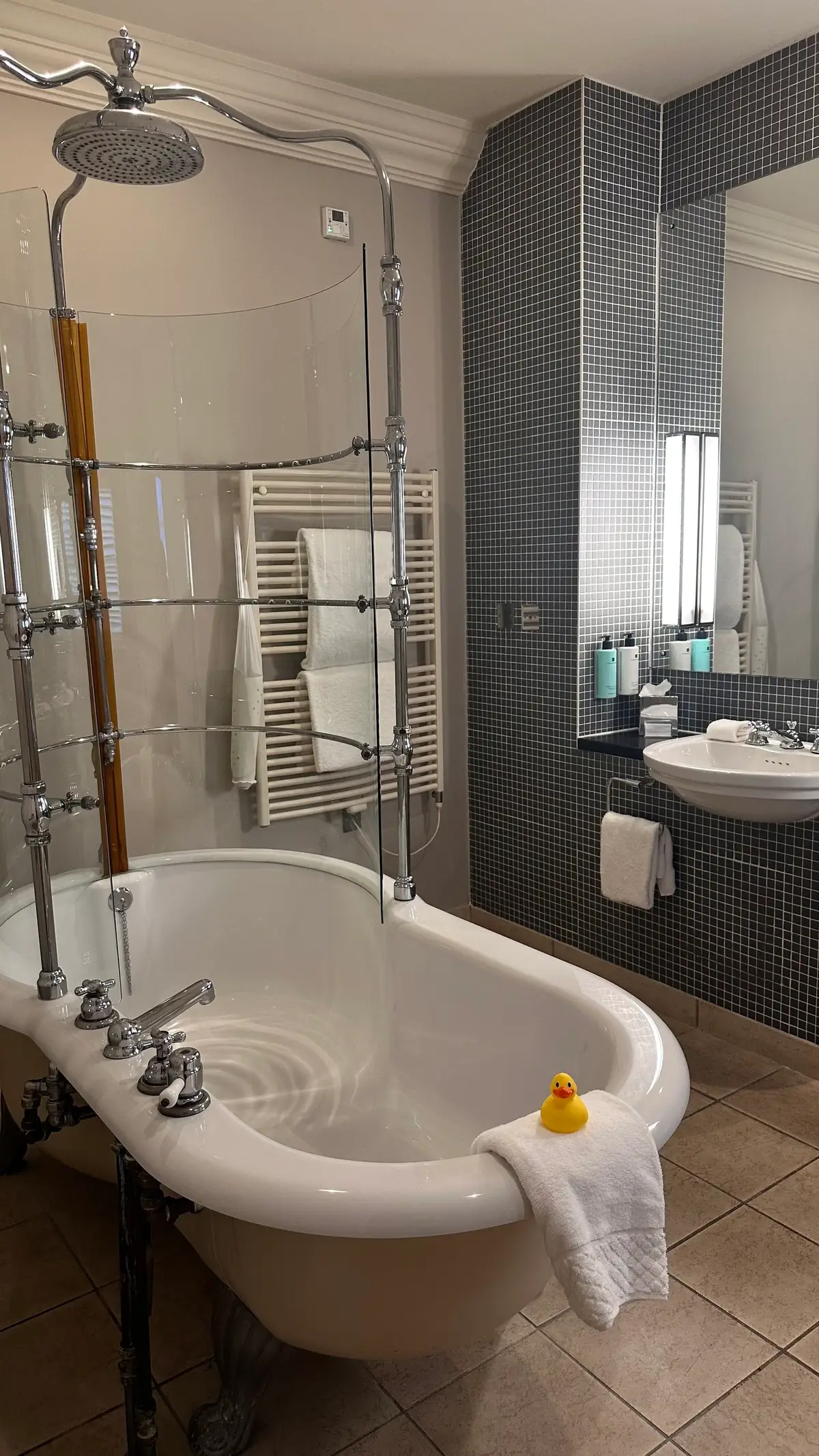
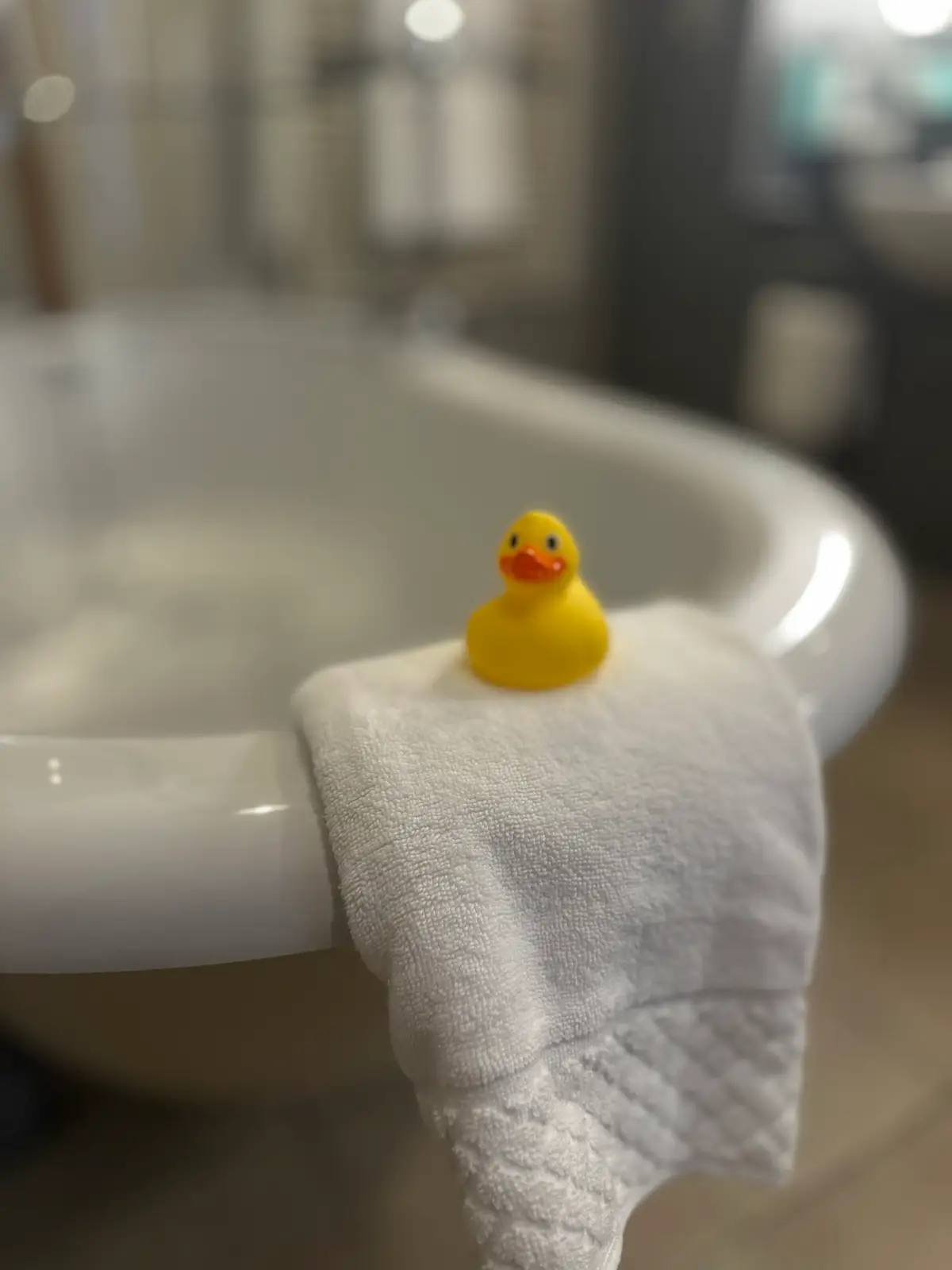
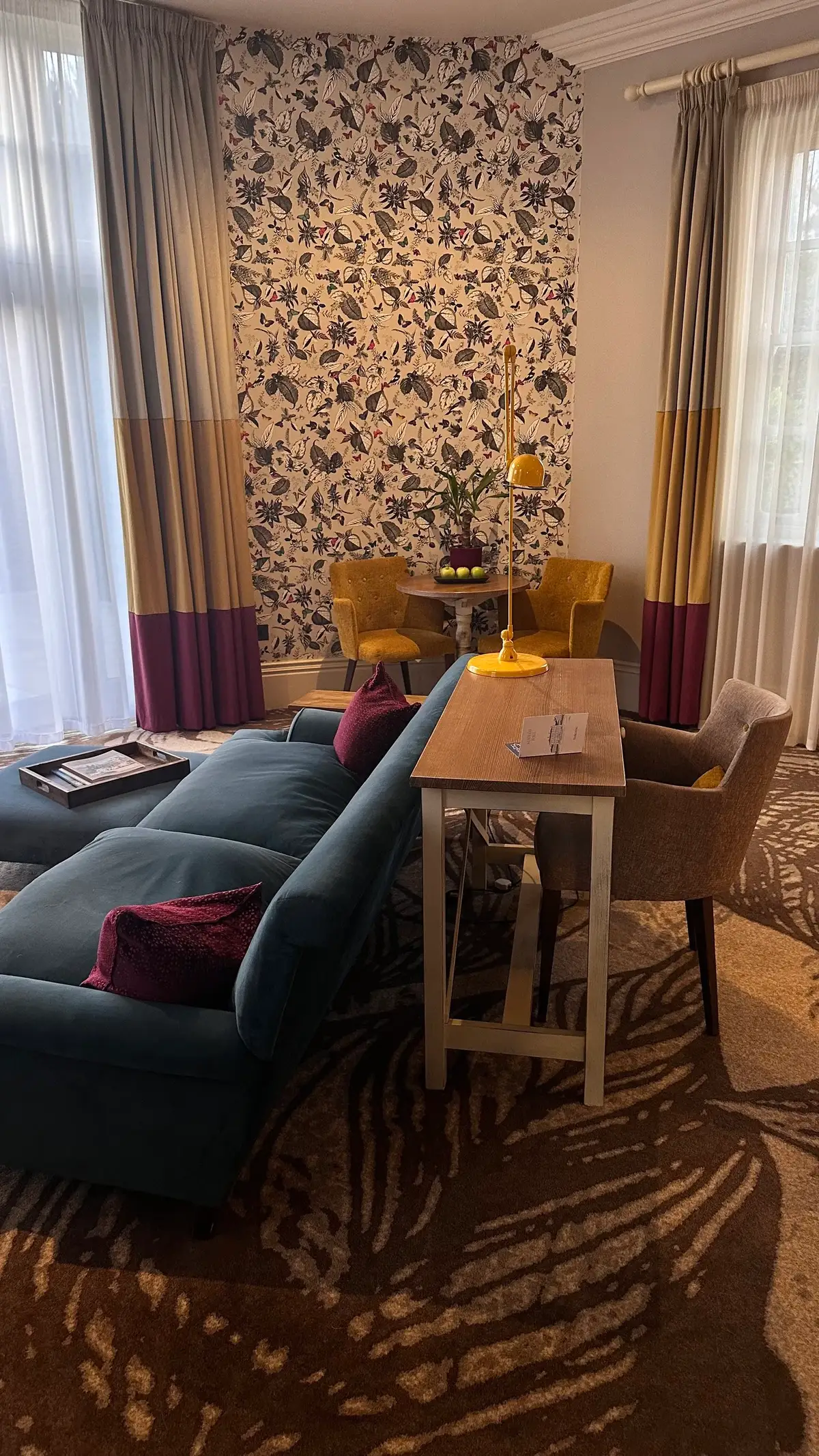
The bedrooms are generous in size, which you appreciate after spending time in smaller city hotels. High ceilings and large windows give many of the rooms a wonderful sense of light. There is thoughtful attention to detail everywhere including sleep spray at turndown and rubber ducks in the bathrooms. Comfortable seating areas, good lighting for reading, plenty of wardrobe space and bathrooms that feel like proper bathrooms rather than an afterthought. It is the sort of room where you unpack and immediately feel settled.
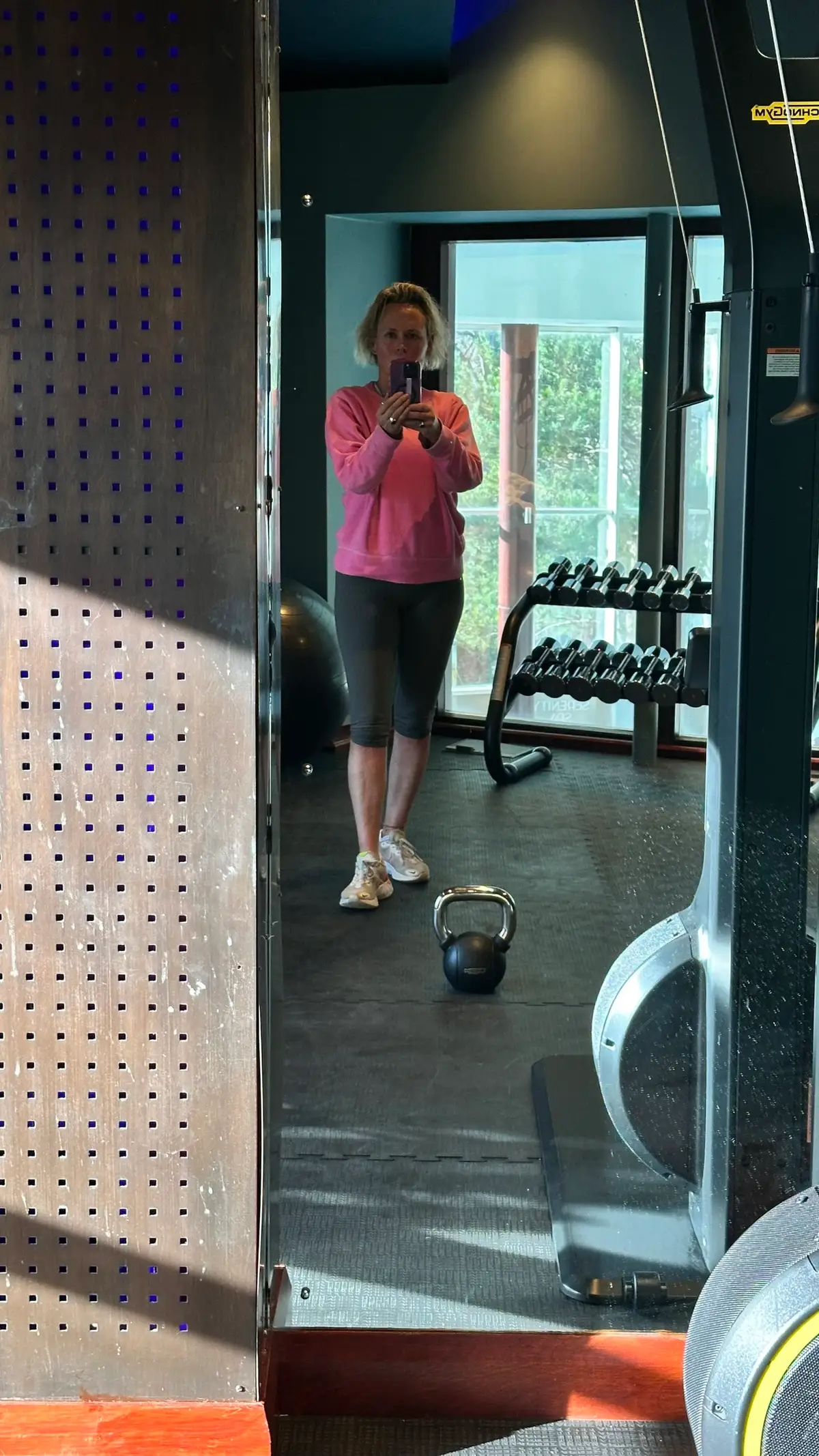
The spa remains one of the strongest reasons to visit and, even after all these years, it still stands out as one of the best spa facilities in the North of England. The Technogym is particularly impressive, with floor-to-ceiling windows overlooking the indoor pool. If you like to keep up a fitness routine while travelling, it is a pleasure to exercise in a space like this rather than a cramped basement gym.
Treatments take place in calm, softly lit rooms where the therapists clearly know their craft. Before or after your treatment, you can lie on heated water beds, allowing the body to settle into that heavy, relaxed state where you lose track of time completely. There are also quiet relaxation rooms where you can sit quietly with a light sorbet or herbal tea before returning to the world outside.
One of my favourite features is the subterranean corridor linking the spa to the main house. Soft lighting runs along the walls, and water flows gently beside the walkway. It is surprisingly soothing. After a treatment, you walk slowly back towards your room, robe wrapped tightly around you, still half floating from the massage.
Seaham Hall manages to balance several things very well. It feels like a proper hotel rather than a spa complex with bedrooms attached, yet the spa remains central to the experience. It is somewhere you can visit for a restorative break, a romantic weekend or simply a few days to slow down and breathe.
And for me, there is always the slightly surreal memory of standing there years ago in a hard hat, looking at bare walls and unfinished rooms, wondering how it would all turn out. Seeing it now, full of life, warmth and guests enjoying themselves, feels quietly satisfying.