

Moments That Matter: America’s Best Adventures for Foodies to Thrill-Seekers
2 December 2025 · Written by Lulu Townsend · Travel & Lifestyle
Finding the moments that matter often comes down to noticing the experiences that stick, rather than ticking off a long list of destinations. Some moments happen over a meal, some in a rush of adrenaline, and some in quiet streets or stretches of coastline. This guide highlights different types of experiences: food, thrill-seeking, culture, outdoor spaces, and coastal downtime, so travellers can discover what resonates most with them. Each section gives a clear picture of what to expect.
Food & Drink
Food-focused travel in the US often works best when approached through everyday places rather than well-known institutions. In New York, neighbourhood cafés and counter spots change tone block by block, so someone looking for lunch might find a cramped room on one corner and a relaxed table a minute away.
Chicago offers a different rhythm, with steady diners and long-running restaurants that serve what locals choose during the week instead of chasing trends. Los Angeles spreads things out, but the smaller taquerias and simple noodle shops give a clearer sense of the city than its more polished venues.
Travellers who have spent time in the South often compare these large cities with the ease of a fun filled Savannah brunch, which usually sets the pace for the day without fuss. Across the country, the best meals tend to be the ones shaped by routine rather than performance.
Culture, History & Neighbourhood Wandering
Some travellers prioritise places where walking through older districts or everyday neighbourhoods gives a fuller picture of local life.
Asheville fits this category well, with its organised streets, leafy squares, and residential lanes that reveal how the city functions beyond visitor areas. Charleston offers a different structure, with narrower lanes, early-opening cafés, and buildings maintained for regular use rather than display.

Moving north, cities such as Boston or Philadelphia provide dense historic cores where landmarks sit close together, making it easy to move from one area to the next without strict planning. The interest here comes from small details, shops used by residents, older signage, daily routines happening in the background.
Visitors often find that slowing down results in clearer observations than rushing to cover every recognised building. These places reward curiosity more than checklists, allowing travellers to understand how each city balances its past with present-day needs.
Thrill-Seeking & Major Events
Travellers chasing faster-paced experiences usually build their plans around sports events, driving routes, or activities that rely on fixed schedules. Formula One weekends show this clearly. Cities hosting races become noticeably busier as practice sessions begin, and anyone working on finding F1 tickets quickly realises that availability moves fast, making official sources the only reliable route.
Austin offers a practical example: the circuit sits outside the centre, so reaching it requires sorting transport before thinking about anything else. Time between sessions often ends up in music bars or small eateries where fans discuss what they’ve watched without formality.
Las Vegas
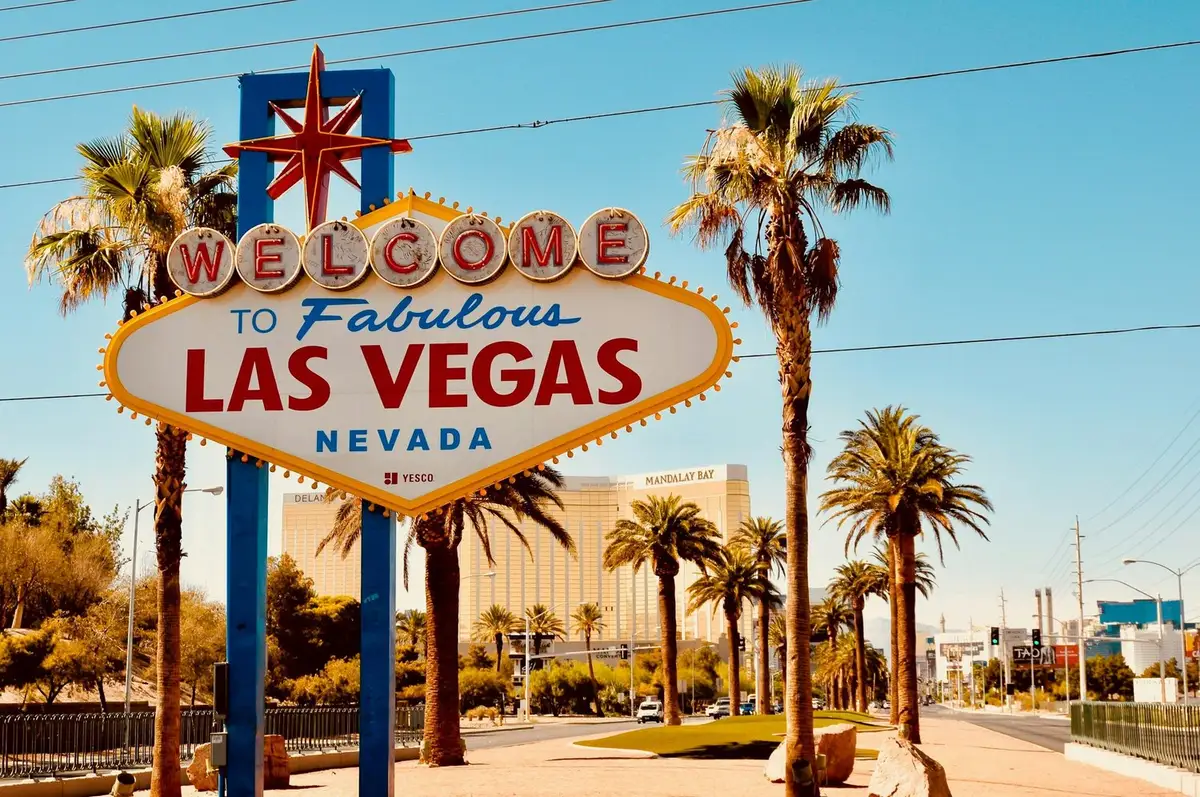
Las Vegas compresses everything into a smaller area, meaning crowds and traffic shape how easily people get around. Away from racing, travellers often add short driving routes or guided activities that don’t need advance training but still give a burst of speed or height. These trips work best with firm anchor times.
Outdoor & Nature Experiences
Outdoor-minded travellers often look for places where practical tasks, walking, driving, and eating fit naturally into the landscape rather than requiring heavy preparation.
In Colorado, smaller mountain towns like Salida and Buena Vista sit at altitudes that subtly change walking speed, making short routes feel slightly longer than expected. Local cafés open early, so mornings often start sooner than in larger cities. Utah’s desert parks rely on straightforward trail markers and clear access points, allowing visitors to take brief walks without committing to long treks. Surrounding towns follow predictable routines, with services that run consistently but rarely late into the evening.
Arizona’s high-desert areas add another layer, with bright, dry afternoons and quick temperature drops once the sun lowers. None of these locations relies on dramatic overlooks to impress; the appeal comes from steady terrain, reliable paths, and the manageable distances between stops. These regions suit travellers who prefer simple, structured outdoor days.
Coastal Relaxation & Slow Days
Coastal stretches in the US vary widely, but many still operate primarily for residents, which helps visitors settle into a slower pace. In Maine, harbour towns start early as fishing crews head out, and cafés open mainly for local workers. Travellers quickly learn which spots stay open later and which close soon after breakfast.
Moving south, North Carolina’s barrier islands offer long roads edged with fishing docks, low-key diners, and beaches used by families who live nearby. The day’s pattern often depends on tide changes rather than visitor traffic.
On the Gulf Coast, towns in Alabama and Mississippi balance working harbours with compact beach areas that see regular use throughout the week. Travellers who accept these natural patterns find it easier to plan their days around simple activities: a morning walk, an unhurried meal, and a stretch of quiet shoreline. These places focus on practicality rather than staged seaside charm.
Are These Routes the Right Fit?
These routes suit travellers who prefer clear expectations and experiences shaped by real daily routines rather than performance. Each section focuses on something functional, good meals, reliable outdoor routes, major events, slow coastal days, or older neighbourhoods that reveal their character without effort.
The aim is to offer enough detail to plan steady days without turning the trip into a checklist. Nothing relies on dramatic descriptions, and each place reflects how locals actually use it. Travellers comfortable adjusting slightly from one day to the next will find this mix manageable and varied without the pressure of constant scheduling.