

Luxury Hotel Marketing: Essential Strategies for Boutique Hotels
17 September 2025 · Written by Lulu Townsend · Travel & Lifestyle
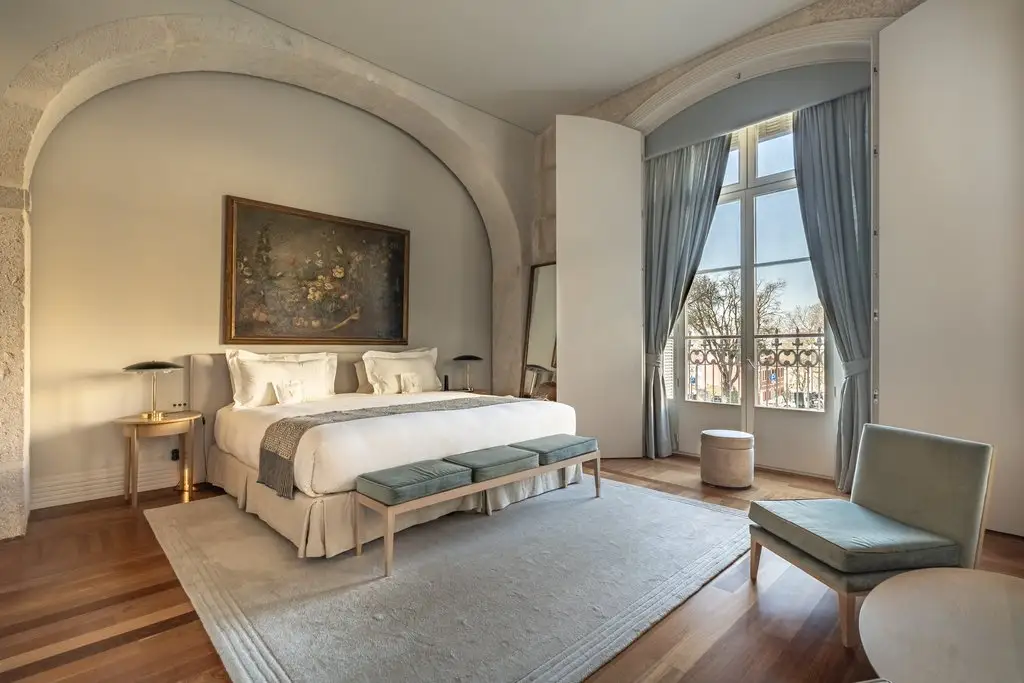
Discover proven marketing strategies specifically designed for boutique and luxury hotels to attract discerning guests and build lasting brand loyalty. Learn how to differentiate your property in today's competitive hospitality landscape.
Understanding the Boutique Hotel Guest
Boutique hotel guests look for experiences that transcend traditional accommodation. They value authenticity, personalised service, and unique design elements that reflect local culture and character. These travellers are typically affluent, well-educated, and digitally savvy individuals who research extensively before booking.
Understanding your target demographic is crucial for developing effective marketing strategies. Boutique hotel guests often prioritise Instagram-worthy moments, exclusive amenities, and stories they can share with their social networks. They're willing to pay premium prices for properties that offer distinctive experiences and exceptional attention to detail.
Creating Your Unique Brand Story
Every successful boutique hotel has a compelling narrative that sets it apart from chain properties. Your brand story should encompass your property's history, the owner’s story, architectural significance, local connections, and the vision behind your guest experience.
Develop a consistent brand voice that reflects your property's personality across all marketing channels. Whether your hotel embodies modern minimalism, historic charm, or artistic flair, ensure this identity permeates every guest touchpoint from your website to your social media presence.
Consider the emotional journey you want guests to experience. Are you offering urban sophistication, coastal tranquillity, or cultural immersion? Your brand story should evoke these feelings and create anticipation before guests even arrive.
Digital Marketing Foundations
A sophisticated website serves as your property's digital flagship. Invest in professional photography that captures your hotel's unique atmosphere, architectural details, and guest experiences. High-quality visuals are non-negotiable in luxury hospitality marketing.
Implement search engine optimisation strategies focused on location-based keywords and luxury travel terms. Target phrases like "boutique hotel [your city]," "luxury accommodation," and "unique hotels" to capture organic search traffic from qualified prospects.
Ensure your website loads quickly on mobile devices, as many luxury travellers research and book accommodations using smartphones and tablets. A seamless mobile experience directly impacts conversion rates and guest satisfaction.
Social Media Excellence
Instagram remains the primary platform for showcasing boutique hotel experiences. Create a content calendar that highlights different aspects of your property throughout the week: architectural photography on Mondays, culinary experiences on Wednesdays, and guest experiences on Fridays.
Utilise Instagram Stories and Reels to provide behind-the-scenes glimpses of daily operations, staff personalities, and seasonal changes. These authentic moments help build emotional connections with potential guests. Authenticity is key.
Encourage user-generated content by creating designated photo opportunities throughout your property. Design Instagram-worthy spaces with unique lighting, artistic elements, or panoramic views that naturally inspire guests to share their experiences.
Content Marketing That Inspires
Develop a content strategy that positions your hotel as a local authority and cultural curator. Create blog posts about neighbourhood attractions, seasonal events, and insider recommendations that only locals would know.
Partner with local artisans, chefs, and cultural institutions to create exclusive content that showcases your community connections. These collaborations demonstrate your commitment to supporting local businesses while providing guests with authentic experiences.
Consider creating downloadable guides for different types of travellers: romantic getaways, business travellers, or cultural enthusiasts. These resources provide value to potential guests while capturing email addresses for future marketing efforts.
Influencer and Partnership Marketing
Collaborate with travel influencers whose aesthetic and audience align with your brand values. Focus on micro-influencers with highly engaged followers rather than celebrities with massive but less targeted audiences.
Establish partnerships with luxury travel agencies, wedding planners, and corporate event organisers who regularly book accommodations for their clients. These relationships can provide steady revenue streams and referrals.
Consider partnerships with local businesses such as spas, restaurants, and tour operators to create package deals that enhance the overall guest experience while providing additional revenue opportunities.
Email Marketing and Guest Retention
Develop segmented email campaigns that speak to different guest personas and booking behaviours. Create separate campaigns for first-time visitors, repeat guests, and special occasion travellers.
Send personalised pre-arrival emails that build excitement and provide helpful information about your property and the surrounding area. Include recommendations for dining, activities, and services that align with each guest's preferences.
Implement post-stay follow-up campaigns that thank guests for their visit and encourage reviews on platforms like TripAdvisor. Include exclusive offers for future bookings to encourage repeat visits and direct bookings.
Revenue Management and Pricing Strategy
Implement dynamic pricing strategies that reflect demand patterns, local events, and seasonal fluctuations. Boutique hotels can command premium rates during peak periods while offering strategic discounts during slower seasons.
Create package deals that bundle accommodation with experiences such as spa treatments, dining credits, or local tours. These packages increase average daily rates while providing guests with comprehensive experiences.
Monitor competitor pricing regularly, but avoid competing solely on price. Instead, emphasise the unique value proposition that justifies your premium positioning in the market.
Guest Experience and Service Excellence
Train staff to anticipate guest needs and provide personalised service that exceeds expectations. Small gestures like remembering guest preferences or providing local recommendations create memorable experiences that generate positive reviews and referrals.
Implement guest feedback systems that capture insights about service quality, amenities, and overall satisfaction. Use this information to improve operations and address any issues promptly continuously.
Create signature experiences that guests can only enjoy at your property. This might include exclusive access to local attractions, private dining experiences, or curated cultural activities.
Measuring Marketing Success
Track key performance indicators, including website conversion rates, social media engagement, email open rates, and direct booking percentages. These metrics provide insights into which marketing channels generate the highest return on investment.
Monitor online reputation across review platforms and social media channels. Respond professionally to both positive and negative feedback, demonstrating your commitment to guest satisfaction.
Analyse booking patterns to identify trends in guest demographics, length of stay, and seasonal preferences. This data informs future marketing strategies and helps optimise revenue management decisions.
Future-Proofing Your Marketing Strategy
Stay informed about emerging trends in luxury travel and hospitality marketing. Sustainability, wellness, and authentic local experiences continue to grow in importance among discerning travellers.
Invest in technology that enhances guest experiences while streamlining operations. This might include mobile check-in systems, smart room controls, or personalised concierge apps.
Regularly review and update your marketing strategies based on performance data and industry developments. The hospitality landscape evolves rapidly, and successful boutique hotels adapt their approaches accordingly.
Building a successful marketing strategy for boutique hotels requires consistent effort, attention to detail, and a deep understanding of your target audience. By focusing on authentic storytelling, exceptional service, and strategic digital marketing, your property can attract and retain the discerning guests who appreciate luxury hospitality experiences.