

How to Plan a Mountain Vacation Near Denver
19 January 2026 · Written by Lulu Townsend · Travel & Lifestyle
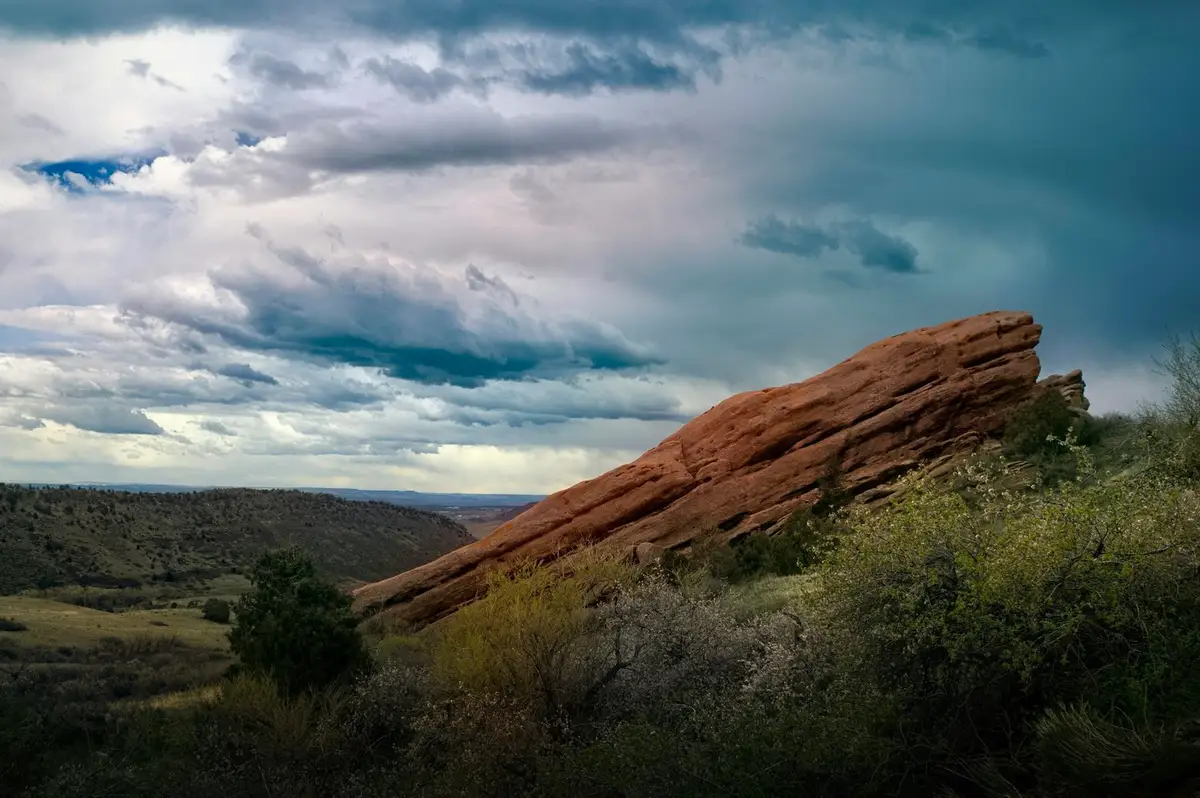
Colorado's capital city serves as the perfect gateway to some of the most spectacular alpine terrain in North America. Within an hour's drive, you can trade urban streets for pristine wilderness, challenging hiking trails, and breathtaking mountain vistas. Whether you're seeking adventure or relaxation, planning a mountain escape from Denver opens up endless possibilities for an unforgettable getaway.
Choosing Your Mountain Destination
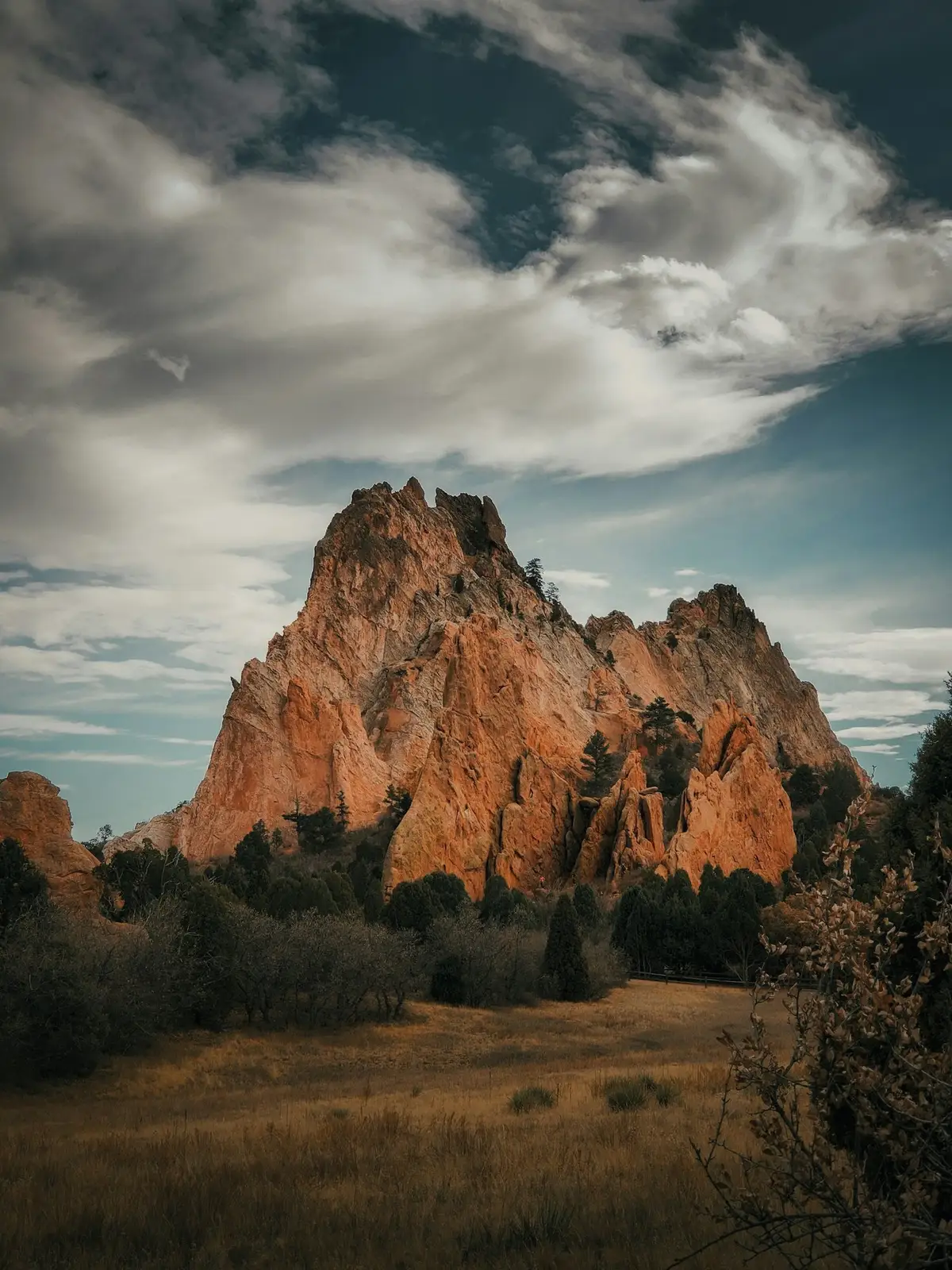
The Denver mountains offer diverse options depending on your interests and the season you're visiting. Rocky Mountain National Park stands as the crown jewel, featuring over 350 miles of trails and stunning wildlife viewing opportunities. For a more resort-oriented experience, consider Summit County destinations like Breckenridge, Keystone, or Copper Mountain.
If you prefer a quieter atmosphere, explore lesser-known areas like Georgetown or Idaho Springs. These historic mining towns provide authentic Colorado charm without the crowds. Winter sports enthusiasts should focus on ski resort towns, while summer visitors might prioritise destinations near hiking trails and mountain lakes.
Distance matters when planning your trip. Destinations within 90 minutes of Denver include most of the Front Range communities, making them ideal for weekend trips. For longer vacations, consider venturing further west to Vail, Aspen, or Steamboat Springs.
Timing Your Visit for the Best Experience
Each season transforms the Colorado Rockies into a completely different destination. Summer, from June through September, offers warm days perfect for hiking, mountain biking, and wildlife watching. Wildflowers peak in July, painting alpine meadows in brilliant colours.
Winter attracts skiers and snowboarders from around the world, with the season typically running from November through April. January and February provide the most reliable snow conditions, though crowds peak during holidays and weekends.
Spring and fall serve as shoulder seasons with fewer visitors and lower prices. Autumn, particularly late September through early October, showcases spectacular golden aspen groves. Keep in mind that some high-altitude roads and trails remain closed until late spring due to snow.
Booking Accommodations That Fit Your Style
Mountain lodging ranges from rustic cabins to luxury resorts, so define your comfort level and budget early. Resort hotels offer convenience with ski-in/ski-out access, on-site restaurants, and spa facilities. However, vacation rentals through platforms like VRBO or Airbnb often provide better value for families or groups.
For a unique experience, consider staying in a historic bed and breakfast or a mountain lodge. These options typically include personal touches and local insights from owners who know the area intimately.
Book accommodations at least three months in advance for peak season visits, especially around holidays. Last-minute deals occasionally appear during off-peak periods, but don't count on availability in popular destinations.
Planning Your Mountain Activities
Research activities before you arrive to maximise your mountain time. Most areas offer visitor centres with free trail maps, weather updates, and ranger recommendations. Download offline maps on your phone since cell service can be spotty in remote areas.
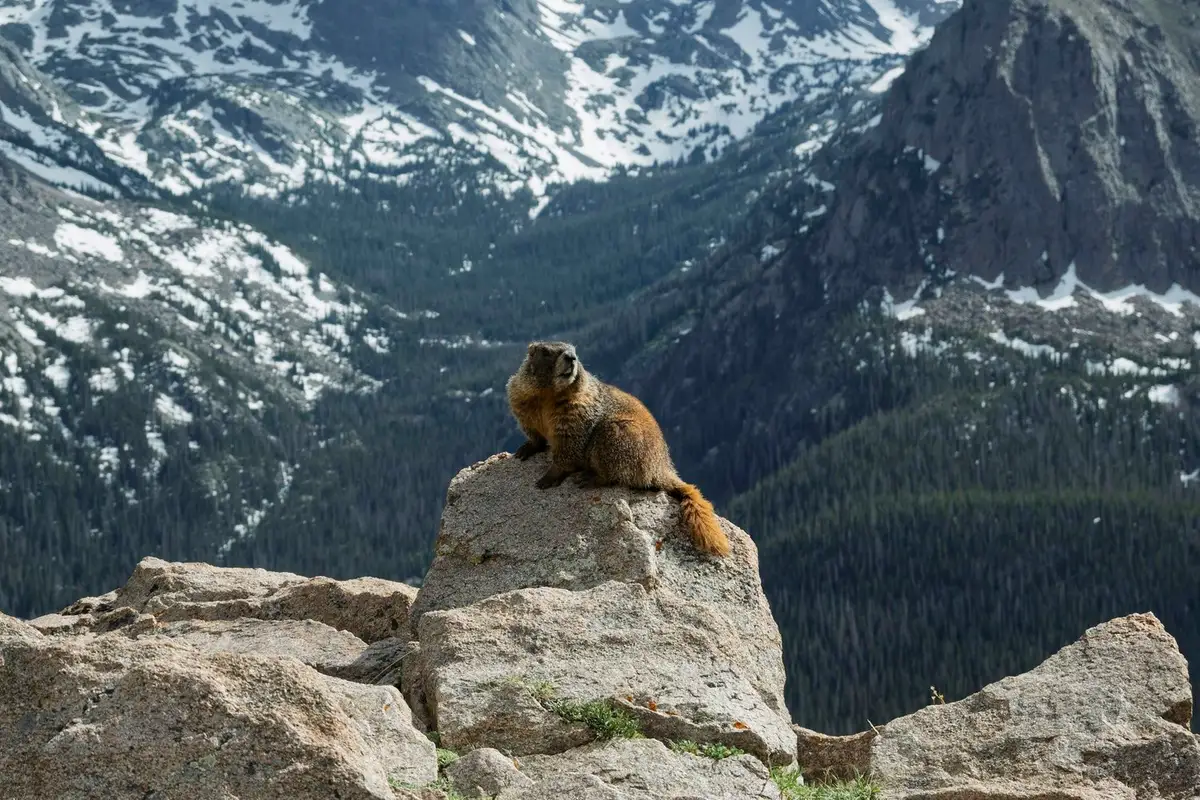
Consider your group's fitness level honestly when selecting activities. High altitude affects everyone differently, and trails rated as moderate at sea level feel considerably harder at 10,000 feet. Start with shorter hikes and gradually increase difficulty as you acclimate.
Book guided experiences for activities like rock climbing, whitewater rafting, or backcountry skiing if you lack experience. Local guides provide safety expertise and access to areas you might not discover on your own.
Preparing for High Altitude Conditions
Altitude sickness affects many visitors who ascend too quickly from Denver's mile-high elevation to mountain peaks above 10,000 feet. Stay hydrated by drinking twice your normal water intake, and avoid alcohol during your first day at elevation.
Pack layers regardless of the season, as mountain weather changes rapidly. Afternoon thunderstorms are common in summer, while winter temperatures can plummet quickly after sunset. Sunscreen is essential year-round since UV radiation intensifies at higher elevations.
Give yourself time to adjust before attempting strenuous activities. Spend your first day at a moderate elevation, exploring towns and taking gentle walks before tackling challenging hikes or ski runs.
Conclusion
A mountain vacation near Denver combines accessibility with genuine alpine adventure, offering something for every type of traveler. By choosing the right destination, timing your visit strategically, and preparing properly for altitude and weather conditions, you'll create memories that last long after you return to lower elevations. The key to success lies in planning ahead while remaining flexible enough to embrace unexpected discoveries along the way. Start researching your options today, and soon you'll be breathing in that crisp mountain air and experiencing the natural beauty that makes Colorado's high country so special.