

A Complete Guide to Greek Island Hopping for Summer Travellers
20 January 2026 · Written by Lulu Townsend · Travel & Lifestyle
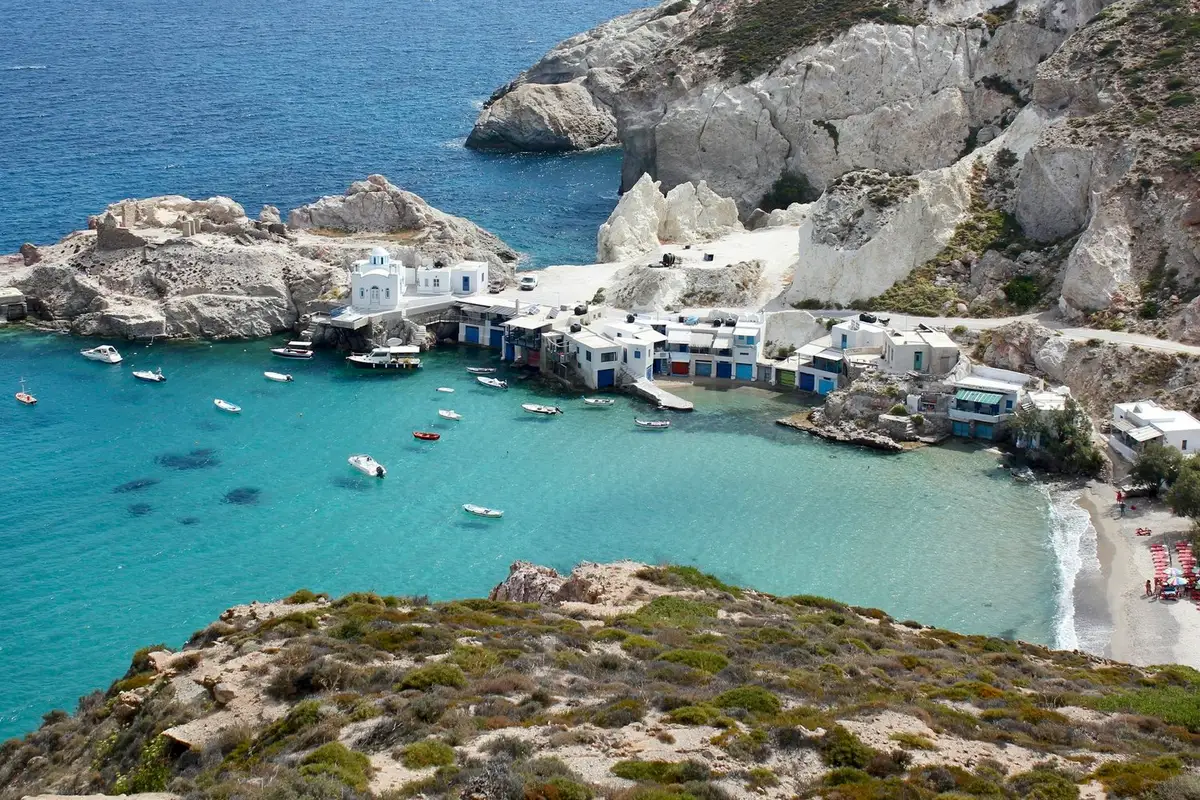
Picture yourself sailing across the azure Aegean Sea, hopping from one stunning Greek island to another, each with its own personality and charm. This dream vacation is more accessible than you might think, and with proper planning, you can create an unforgettable Mediterranean adventure that combines ancient history, pristine beaches, delicious cuisine, and vibrant nightlife.
Understanding the Greek Island Groups
Greece boasts over 200 inhabited islands scattered across the Mediterranean, divided into distinct clusters. The Cyclades, including famous destinations like Santorini and Mykonos, offer classic white-washed villages and dramatic volcanic landscapes. The Dodecanese islands near Turkey feature medieval architecture and quieter atmospheres, while the Ionian islands on the western side showcase lush green landscapes and Venetian influences.
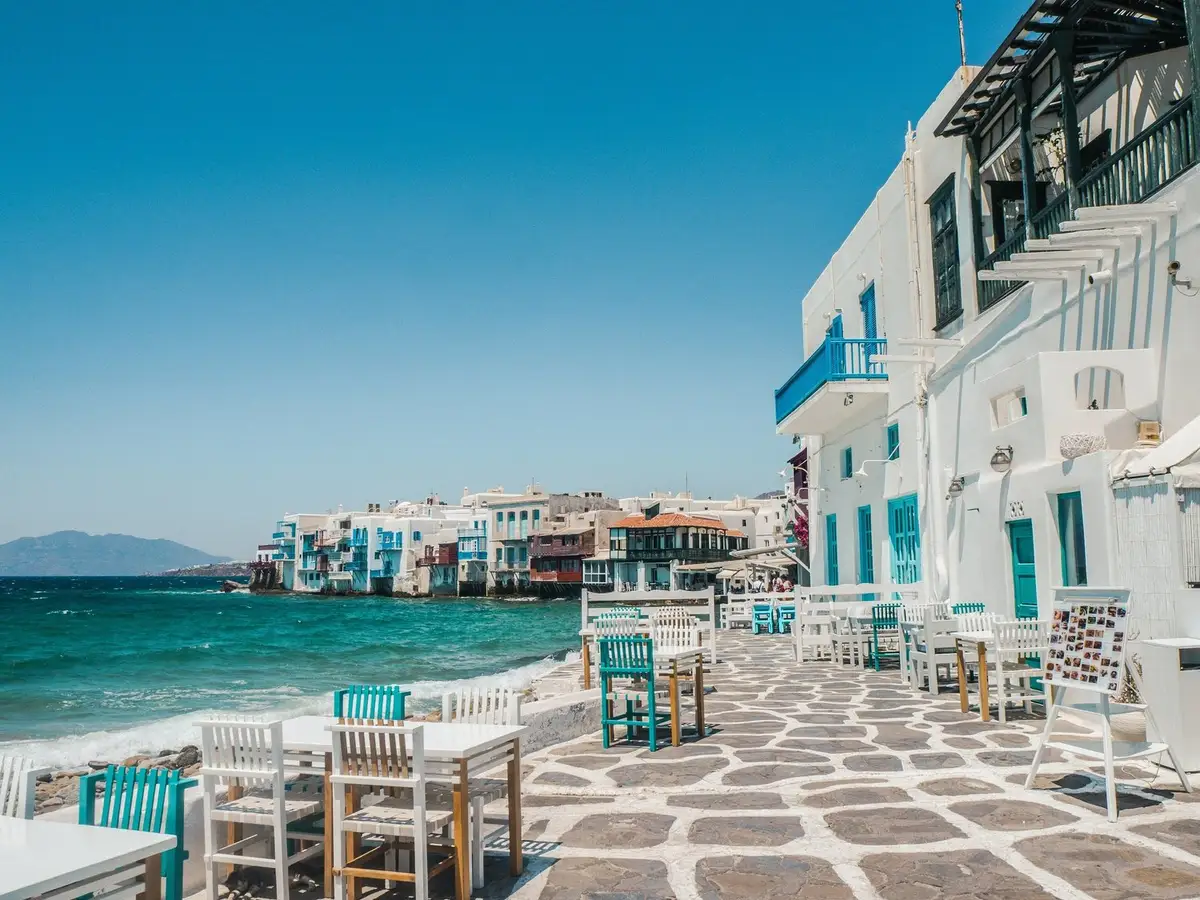
Understanding these groupings is crucial for planning your route. Islands within the same cluster typically have more frequent ferry connections, making them easier to combine. Mixing islands from different groups can be challenging due to limited direct connections and longer travel times.
Choosing the Right Season for Your Adventure
Summer is peak season for island hopping in Greece, with July and August bringing guaranteed sunshine, warm waters, and bustling nightlife. However, these months also mean crowded attractions, higher prices, and fully booked accommodations. The shoulder seasons of May, June, September, and early October offer a sweet spot with pleasant weather, fewer tourists, and better value.
Keep in mind that ferry schedules vary significantly by season. Many routes operate daily during summer but reduce to just a few times weekly in spring and fall. Winter travel is possible but requires flexibility as weather can disrupt ferry services.
Planning Your Island-Hopping Route
Start by deciding what type of experience you want. Party seekers might focus on Mykonos and Ios, while history buffs could prioritize Crete and Rhodes. Beach lovers have endless options, from the pink sands of Elafonissi to the shipwreck beach of Zakynthos.
A common mistake is trying to visit too many islands in a short timeframe. Travel days consume more time than expected when you factor in getting to ports, waiting for ferries, and settling into new accommodations. For a two-week trip, four to five islands is realistic. A one-week journey works best with two to three islands.
Consider geographic logic when mapping your route. Moving in a circular pattern or linear progression makes more sense than zigzagging across the sea. Athens serves as the main gateway, with its port of Piraeus connecting to most major islands.
Navigating Ferry Schedules and Bookings
Greek ferries range from large car ferries to high-speed catamarans. Slower ferries cost less but take longer, while fast ferries charge premium prices for cutting travel time in half. During peak season, booking tickets at least a week in advance is wise, especially for popular routes and if you need specific departure times.
Several websites allow you to check schedules and book tickets online, though some local ferry companies still operate primarily through port ticket offices. Keep digital and printed copies of your tickets, and always arrive at the port at least 30 minutes before departure.
Weather can affect ferry operations, particularly with smaller boats and during the windier months. Build some flexibility into your itinerary to account for potential delays or cancellations.
Accommodation Strategies for Island Hoppers
Booking accommodations in advance provides peace of mind, especially during high season when popular islands fill up quickly. However, some travellers prefer the flexibility of booking just a few days ahead or even upon arrival, which can work during shoulder season.
Consider staying in port towns for your first night on each island to minimise transportation stress after ferry arrivals. You can always move to a beach resort or a quieter village for subsequent nights. Many islands have reliable bus systems, though renting scooters or ATVs offers more freedom to explore hidden beaches and mountain villages.
Making the Most of Your Island Time
Resist the urge to pack every day with activities. The Greek islands reward those who embrace a slower pace, whether that means lingering over a three-hour seaside lunch or watching the sunset from a clifftop taverna. Balance organised activities like archaeological tours or boat excursions with unstructured time for wandering narrow streets and discovering your own favourite spots.
Your Greek Island Adventure is Waiting for YOU!
Island hopping in Greece offers something for every type of traveller, from adventure seekers to relaxation enthusiasts. With thoughtful planning, realistic expectations, and openness to unexpected discoveries, your Greek island journey will create memories that last a lifetime. Start researching ferry routes, mark your calendar for shoulder season travel, and prepare for an adventure across some of the world's most beautiful islands.