

Has the word ‘retreat’ lost it’s meaning?
10 February 2026 · Written by Lulu Townsend · Travel & Lifestyle
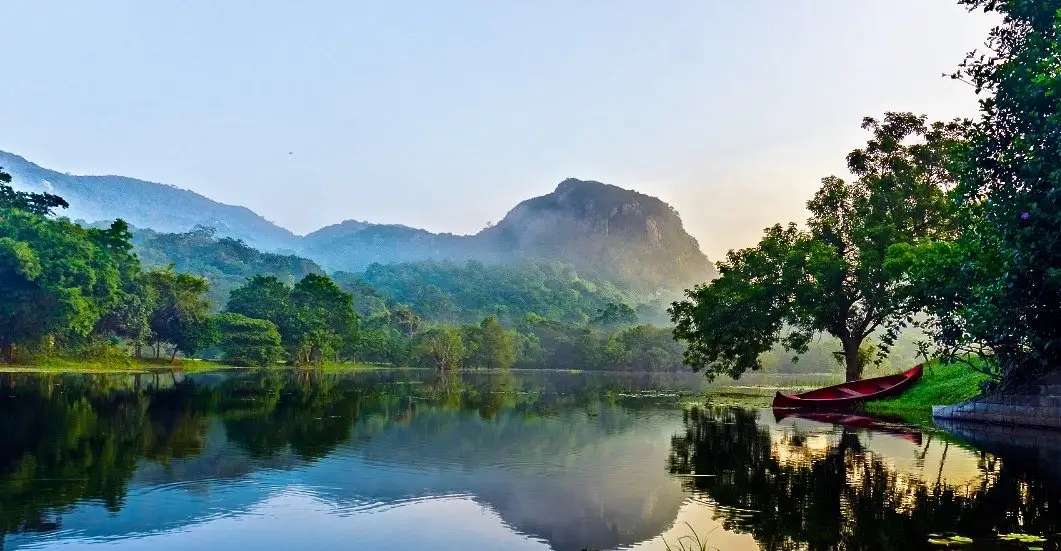
Retreat. noun. an act of moving back or withdrawing**.**
Wellness is not a trend! I find myself thinking more and more about how the words 'retreat', 'wellbeing' and 'wellness' have drifted away from what they once meant. Everywhere you look a hotel has a new ‘retreat’ in place or it calls itself a ‘wellness-led’ sanctuary.
A retreat used to feel like a deliberate act. The word comes from the Latin retrahere, to draw back or retire, and that is exactly what it asked of you. You stepped away from the front line of daily life, from the noise and the demands, and you did so on purpose. You didn’t go to add anything new or shiny. You went to create space for your mind, body and spirit.
Somewhere along the way, the meaning has lost its way and has been overused. A hotel adds a yoga class to a two-night stay, and suddenly it’s described as a retreat. Wellness-led follows close behind. A spa, a treatment menu, a juice on arrival, and the language begins to promise something deeper than the experience ever really offers.
A retreat was never about squeezing more into your days. It was about removing things. Wellness isn’t about spas and smoothies; it’s about places and spaces where rest, movement, and community coexist. Where clean food, slow living and plant-based dishes are the focus.
You step back from routine, from constant decision-making, from the low-level pressure to keep going and keep performing. From the moment you arrive, life feels simpler. Days fall into an easy rhythm. You eat at set times. Practices repeat. Silence has space rather than being something to fill. You spend real time outdoors, and alone, not rushing through it between activities, but walking, sitting, and letting it work on you in its own way. You notice your thoughts, accept them, sit with them, however uncomfortable they are. Self check-in and self-listening take priority.
A true retreat starts with the nervous system. Everything else follows. Yoga or meditation sits within a wider structure rather than appearing as a one-off session before breakfast. Teachers are passionate and stay present and attentive, holding the space quietly and without ego. Nutritious, balanced food is served at regular times and supports the days rather than distracting from them. The environment encourages stillness, and disconnection often feels like a relief rather than a rule you have to abide by.
What matters most is how you feel when you leave. A retreat gives you the chance and the space to reset before you return home.
You go back calmer. Your head feels quieter. Sleep improves. Breathing feels easier. Small habits begin to shift. Often, the people around you notice something has changed before you do.
Now think about a hotel stay presented as a wellness-led retreat.
You arrive late on a Friday having fought with Friday traffic. Dinner runs late into the evening. Yoga appears once, early, and feels a little rushed. The spa is pleasant, and the treatments relax you for an hour or so. By Sunday afternoon (or often the morning), you are heading home, rested on the surface but unchanged underneath. This is a spa weekend, and there is absolutely nothing wrong with that, but it isn’t a retreat and in fact it’s less than 48 hours.
A spa weekend offers comfort, indulgence and escape. It does exactly what it promises. It simply serves a different purpose.
A retreat asks more of you. Time and attention. Presence. In return, it gives far more back. Not a fleeting feeling, but a recalibration that stays with you once you’re back in daily life and your routine.
Wellness once felt rare, something you saved for and committed to, something that respected process rather than a quick fix. Now it often looks like surface comfort. Robes. Candles. Spas. Beautiful language, but little depth behind it.
Hotels and retreats both matter in their own space. Both have their place. What they need is clarity. Problems begin when the language blurs and expectations rise; people book a so-called retreat expecting change, and leave with superficial relaxation instead.
Words shape understanding. Retreat means to draw back. To retire from noise. To step out of the rush. When used properly, it's still one of the most powerful things you give yourself.
If you want to understand the difference, look at places built around the original meaning of retreat. To draw back. To retire from noise. To give the nervous system proper space.
Ulpotha is a clear example.
Hidden deep in rural Sri Lanka, Ulpotha operates on a rhythm untouched by modern life, surrounded by nature. There’s no fixed electricity, no mirrors, no WiFi, no forced schedules. Days revolve around yoga, meditation, simple Ayurvedic food, time in nature, treatments and village life. Teachers and therapists live on site. Practices build slowly across the stay. Silence is respected. Community forms naturally. You leave feeling grounded, steady, and genuinely reset. Not entertained. Changed. Retreats at Ulpotha are a minimum of one week. ‘The best yoga retreat in the world’ - The Observer
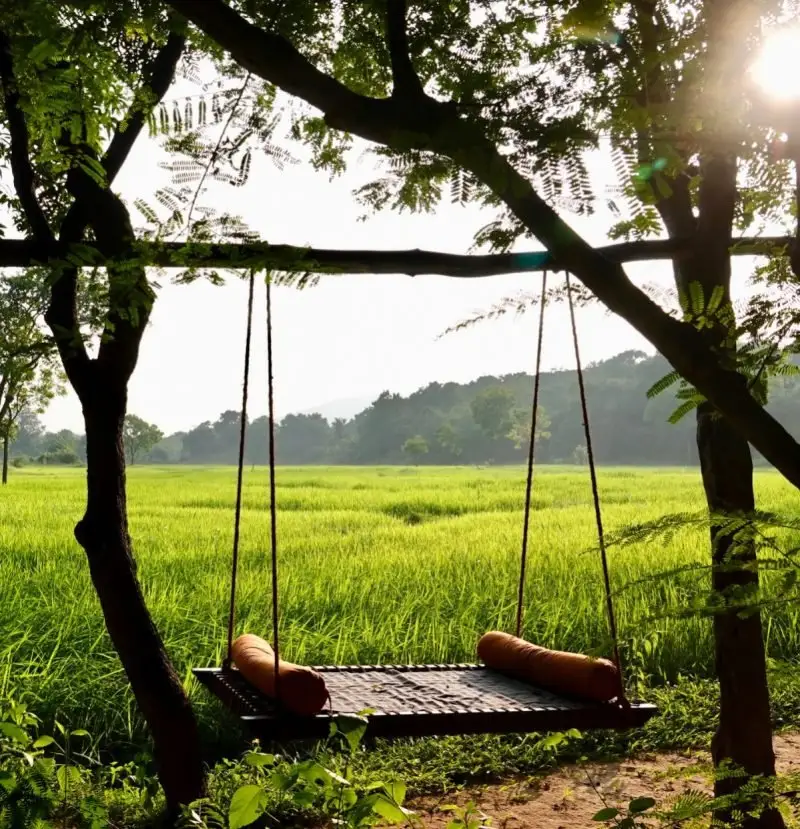
Looking out onto the paddy fields, Ulpotha
Ulpotha does not sell wellness as just a feature. It's the byproduct of how the place works. It’s a naturally life-changing experience.
Here are other examples where 'retreat' still means 'retreat'.
Gaia House, Devon
A long-established retreat centre focused on meditation, yoga, and contemplative practice. Stays run over several days. Silence, shared responsibility, and structured days shape the experience. The environment stays deliberately simple. The work goes deep.
Sharpham Trust
Set on an estate overlooking the River Dart, Sharpham centres around mindfulness, nature connection, and ethical living. Retreats unfold slowly. Food comes from the land. Phones naturally disappear. Stillness plays a central role in a retreat here. You leave with perspective rather than stimulation.
Dhamma Dipa, Herefordshire
A residential Vipassana meditation centre offering ten-day silent retreats. No distractions. No comforts layered on top. Days follow a strict rhythm of meditation and rest. Demanding, yes. Transformative, absolutely. This is a retreat in its purest form. Also available in Suffolk
Skyros Centre, Greece
Longer stays focused on movement, creativity, psychology, and self-enquiry. Programmes encourage depth and reflection rather than quick fixes. Community and continuity sit at the heart of the experience. Families are also welcome.
Tushita Meditation Centre
Dharamsala, India
A Buddhist retreat centre in the foothills of the Himalayas. Silent retreats, structured teachings and long stays encourage deep focus. Comfort is minimal. Clarity is the aim.
Blue Spirit
Nosara, Costa Rica
Set above the Pacific, Blue Spirit offers longer stays with experienced teachers, structured programmes and quiet spaces for reflection. Nature and rhythm shape the days. This is not a drop-in experience.
Shambala Gatherings
Southern France
Seasonal retreats focused on meditation, yoga, music and inner enquiry. Programmes unfold over time. Community, continuity and reflection sit at the centre of this retreat.
Euphoria Retreat, Greece
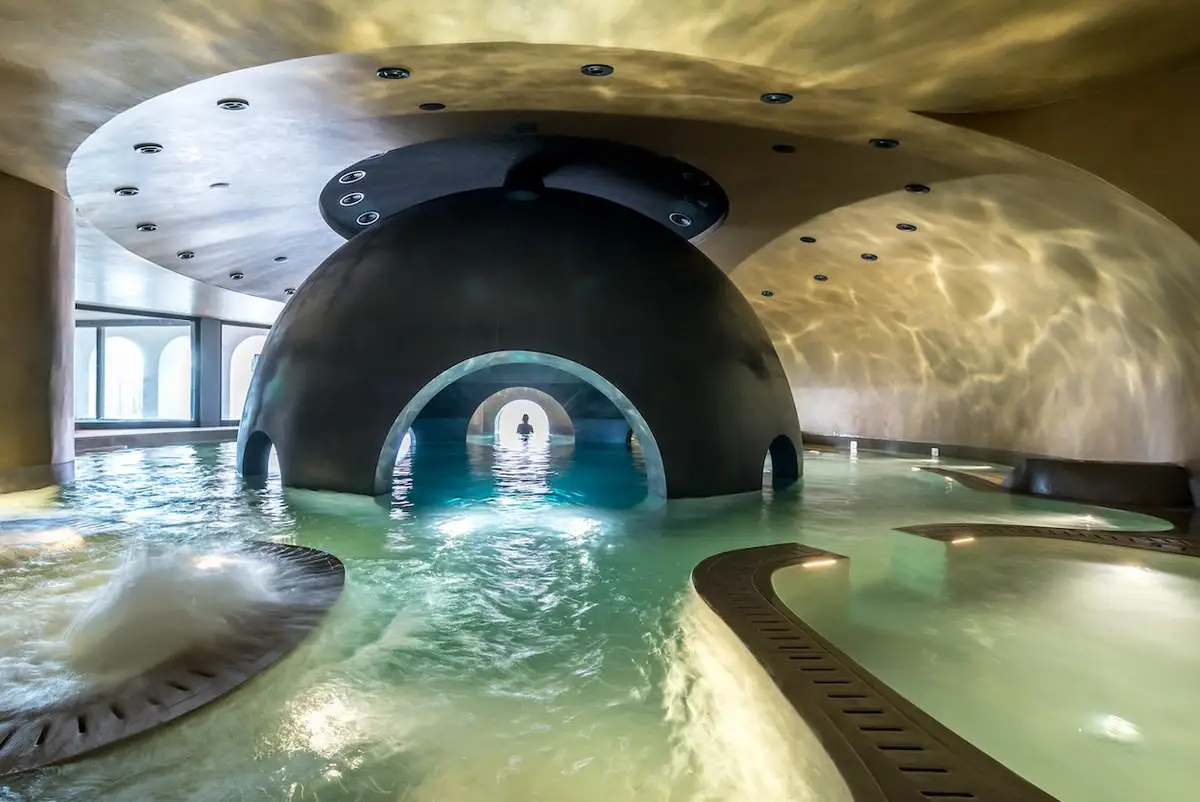
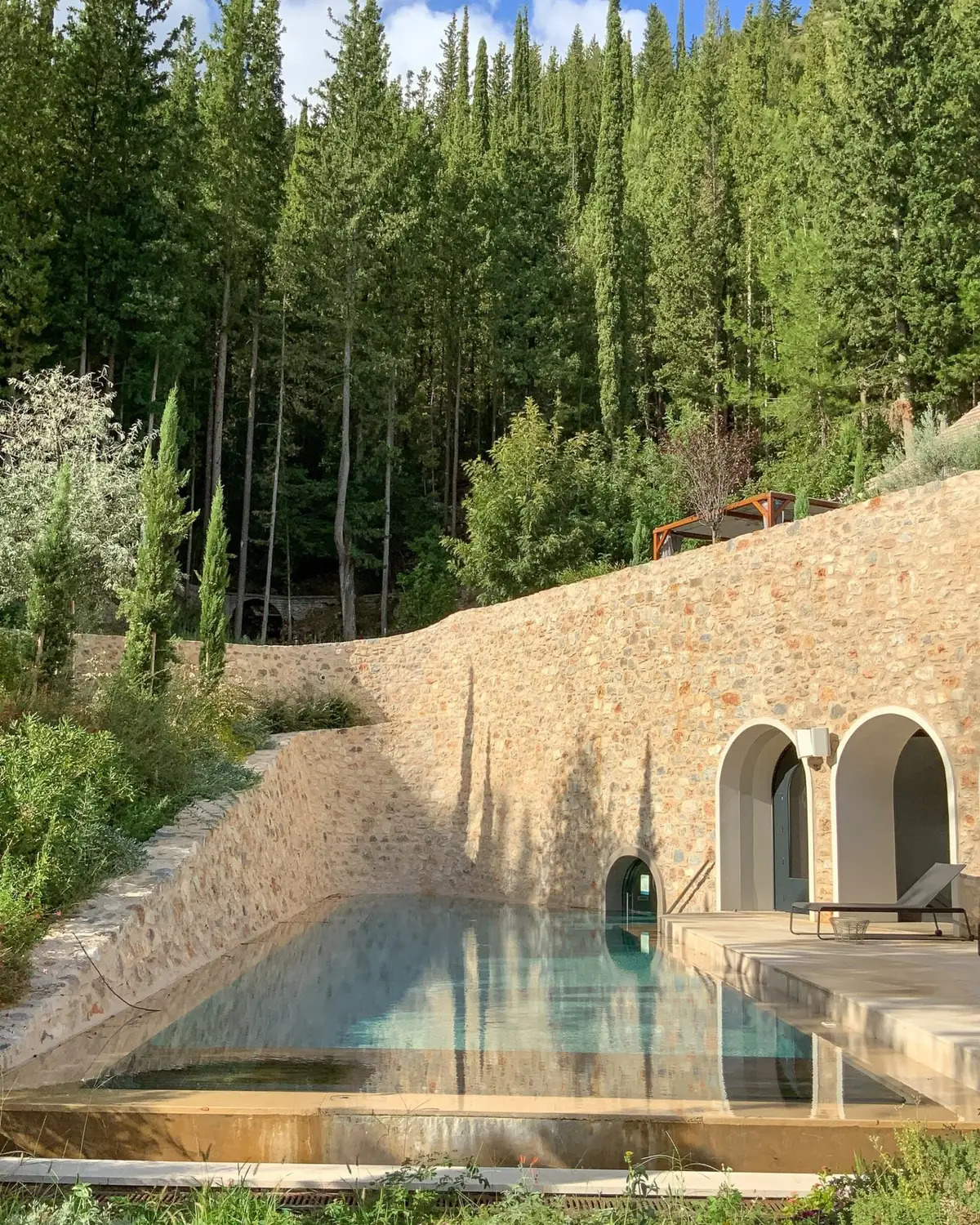
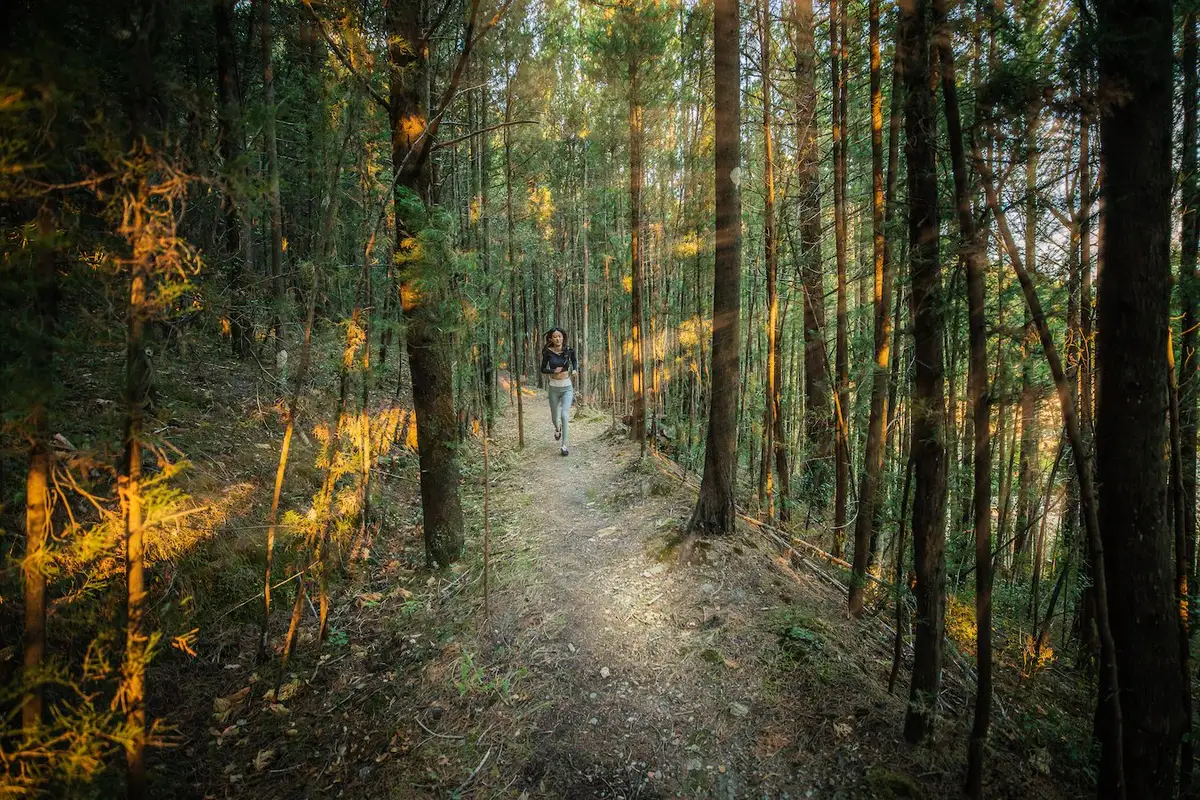
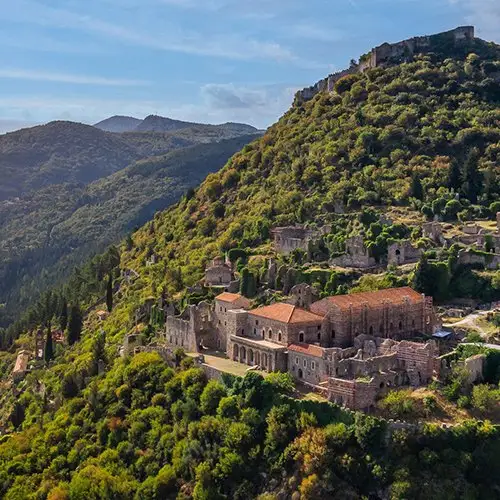
The vision of Marina Efraimoglou, an energy therapist whose own experience of cancer shaped the place, Euphoria Retreat sits above the terracotta roofs of Mystras on the Peloponnese, surrounded by its own stretch of pine forest. It feels calm the moment you arrive, the sort of place where the landscape does some of the work for you. Days here revolve around thoughtful, restorative programmes that focus on deep healing rather than surface indulgence, with treatments designed to gently rebalance and restore energy. It’s a place to slow down properly, to reconnect with nature, and to leave feeling quietly reset rather than dramatically transformed.
Kamalaya
Koh Samui, Thailand
While more refined, Kamalaya still respects depth. Stays are designed over a number of days with a clear intention. Programmes focus on nervous system health, emotional balance and long-term change rather than surface-level pampering. Beachside bliss in Thailand.
The first retreat I ever went to and I’ve been back twice. Simple accommodation, not luxurious but some of the best treatments I’ve ever had. Not only that I still maintain that I have never slept so well than my stays at Middle Piccadilly. It really is a little healing oasis filled with love and peace. I’ve paid a deposit for my next retreat later this year. Staying here is like having a warming, spiritual hug.
Eremito, Umbria
Eremito, Umbria
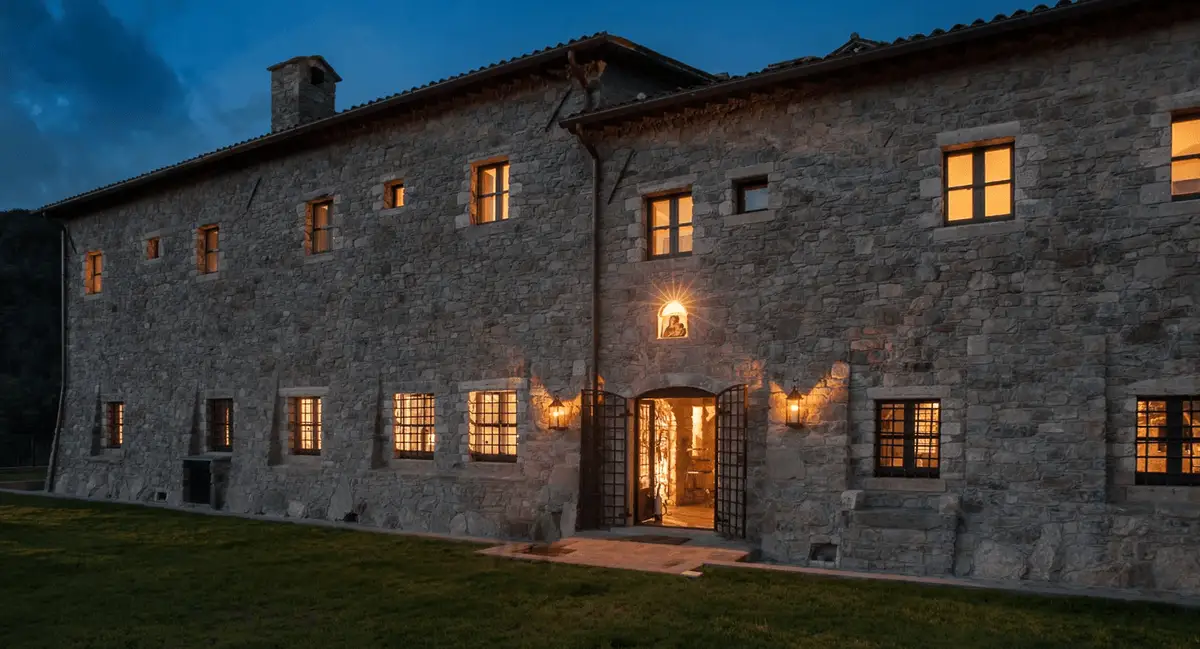
Eremito is a rare kind of retreat in the Umbrian hills of Italy that turns silence and simplicity into the experience itself. It sits deep in a 3,000-hectare natural reserve with no WiFi, no phone signal and no modern distractions; days unfold at your own pace with walking, yoga, meditation or stretching out in nature around you. Rooms here are called “celluzze”. They feel like small hermit’s quarters with stone walls, hand-sewn hemp bedding and views over rolling forests, encouraging quiet reflection rather than noise. Meals are vegetarian and communal; at dinner, you eat in silence either around a big table or under the stars. There’s a small rock-carved spa with a steam room and hot pool for warming up after time outdoors. Eremito isn’t about activity schedules; it’s about slowing right down, listening to nature and arriving back at your own rhythm. An Italian version of Ulpotha but without the jungle.
The Global Retreat Company
The Global Retreat Company isn’t a marketplace full of random listings. It’s a global retreat specialist built on firsthand experience. Every retreat they represent has run for at least two years and been visited, vetted and proven by one of their team. You can trust each retreat for quality, authenticity and longevity because they’ve walked the land, met the people, and spent real time in each space. They focus on depth and truth rather than volume and trends. When you choose a retreat from The Global Retreat Company, you’re choosing somewhere that’s been tried, tested and trusted by a real person who knows what good looks like.
What links these places is not luxury or aesthetics. It's intention.
They ask for your time and commitment. They ask you to step back from normal life and pause rather than recreate it in prettier and more luxurious surroundings. Yoga is part of a wider framework. Days have focus and you follow a timetable. Silence, mindfulness, meditation and simplicity are not always optional extras.
Compare this with a hotel weekend branded as a retreat. You squeeze it in over a weekend. One yoga class. A spa slot. Ladies who lunch. A packed dinner schedule. No continuity. No space for the nervous system to settle. You leave relaxed but unchanged.
Both experiences have value. BUT only one deserves the word retreat.
When retreat means drawing back, these places still honour it.