

From the Cornish Cliffs to the Patmos Shores: Your Ultimate Coastal Getaway Guide
28 November 2025 · Written by Lulu Townsend · Travel & Lifestyle
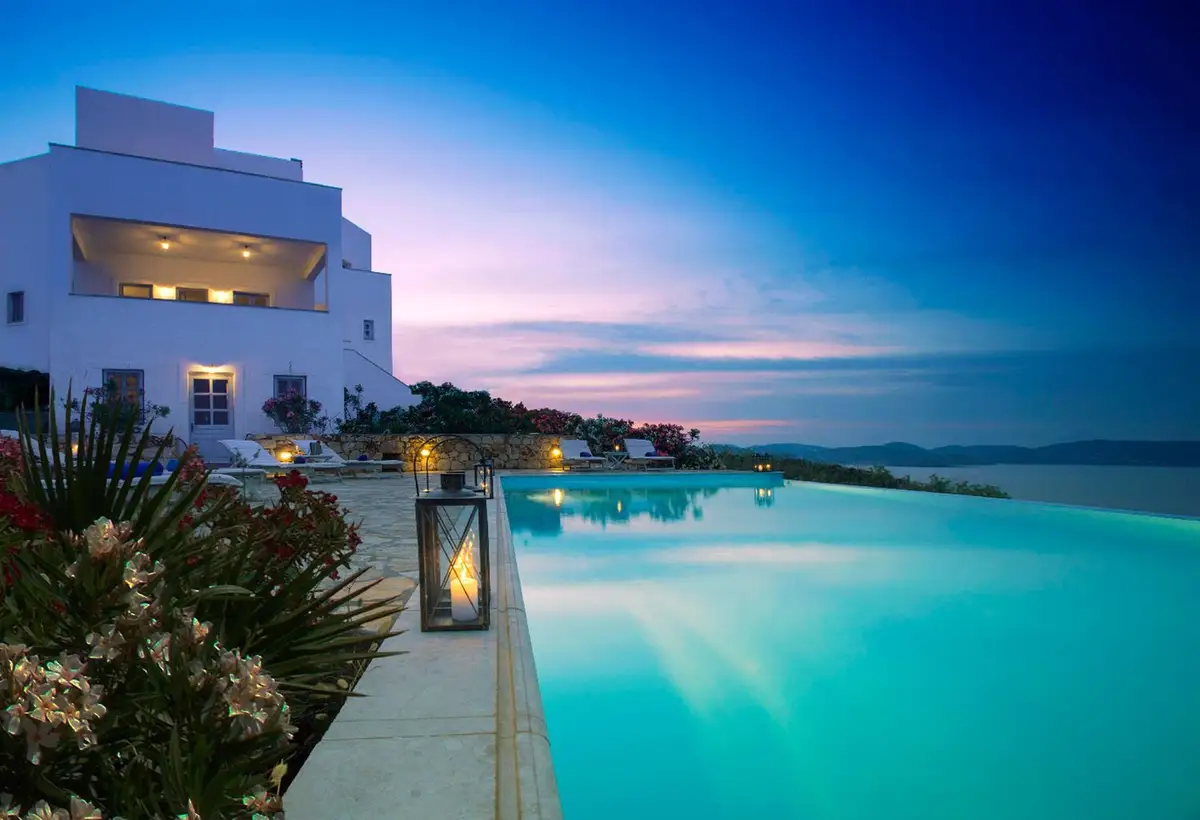
Coastlines have a way of shaping a holiday without ever demanding it. Some stretch wide with quiet sands, others rise sharply with cliffs that keep the sea just out of reach. From Cornwall to Patmos, and beyond, each offers its own pace and character.
This guide isn’t about ranking beaches or picking the “best” views, but about showing what each place does to a day spent there. Travellers will notice how mornings unfold differently depending on where they wake up, which paths they take, and how far they wander. It’s about reading a coastline as a map of experience, not attractions.
Cornwall, UK
Cornwall’s coast is sharper than most expect. The north edges cut into the wind, while the south opens to calmer waters. Staying in breathtaking sea view holiday homes in Cornwall gives travellers a quiet front-row seat to changing tides and weather.
Mornings often start with walks along the South West Coast Path, stopping where the cliffs drop into the sea or a small harbour holds a few fishing boats. Villages like St Ives and Padstow bring a mix of shops, cafés, and quiet lanes that don’t feel planned for tourists.
Evenings stretch slowly, sometimes ending on a low wall, watching the tide pull back, or sitting in a corner café listening to locals chat. The details, wind shifting, gulls settling, light on the rocks, shape the day more than any itinerary. Cornwall invites attention to the everyday rhythm of coastal life.
Amalfi Coast, Italy
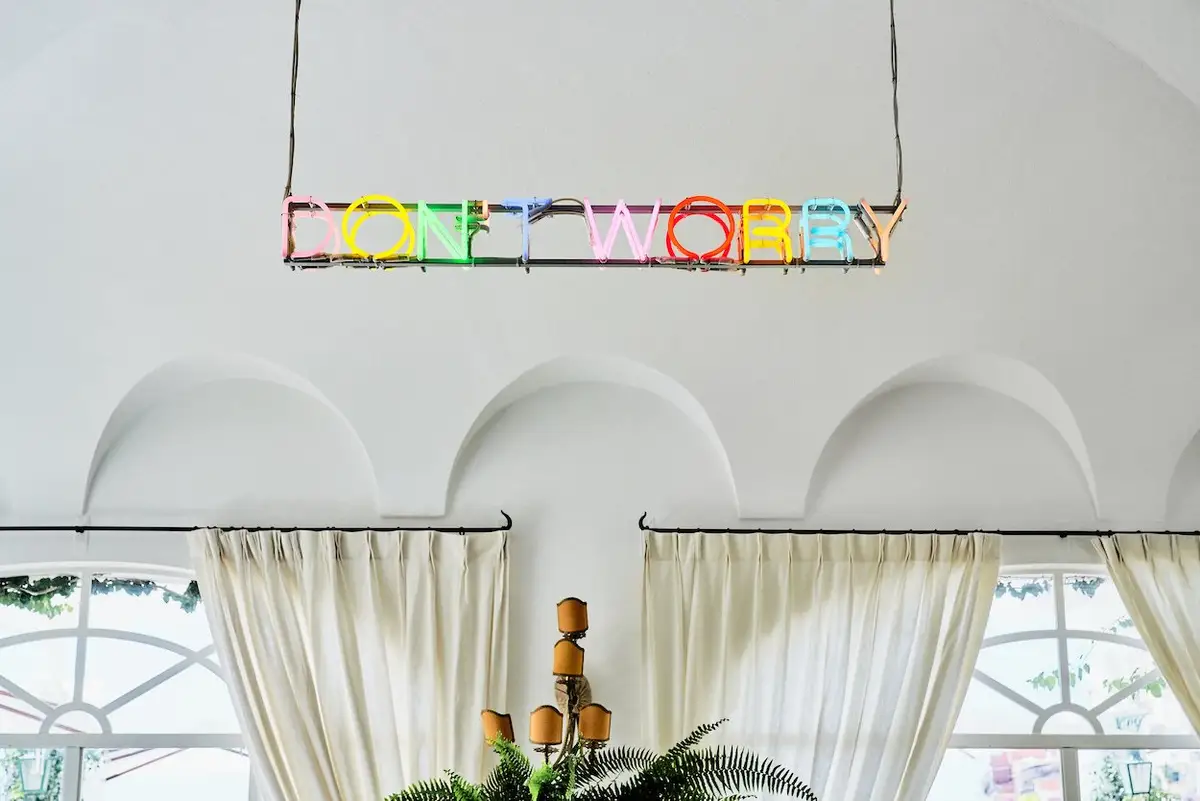
Le Sirenuse
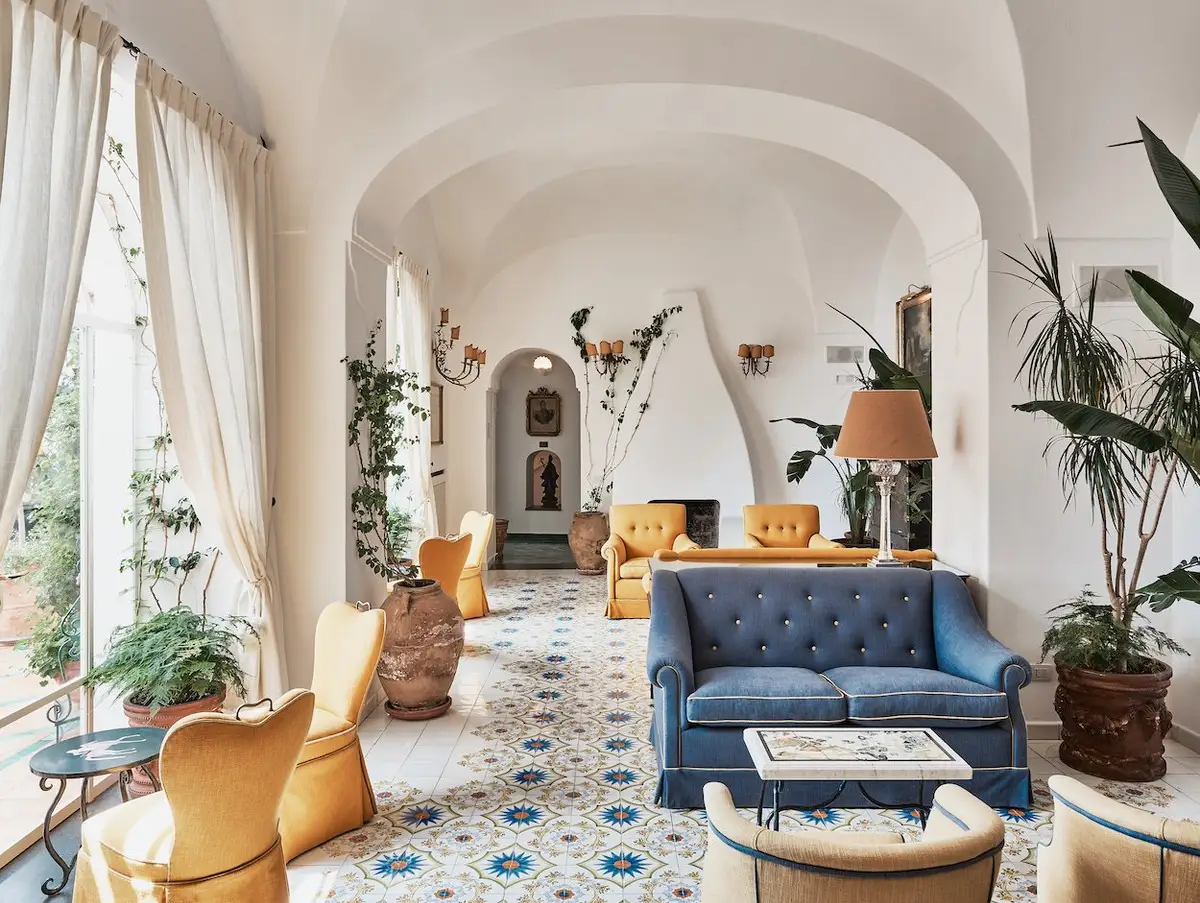
Le Sirenuse
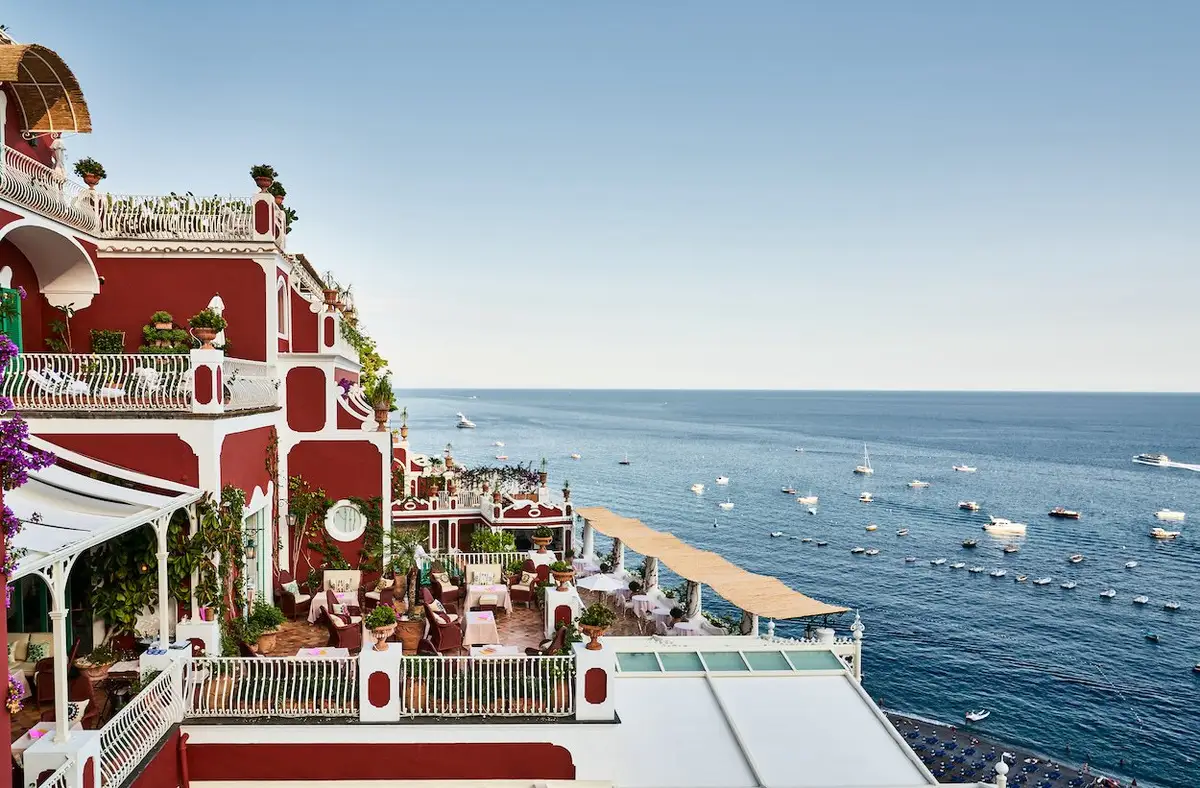
Le Sirenuse
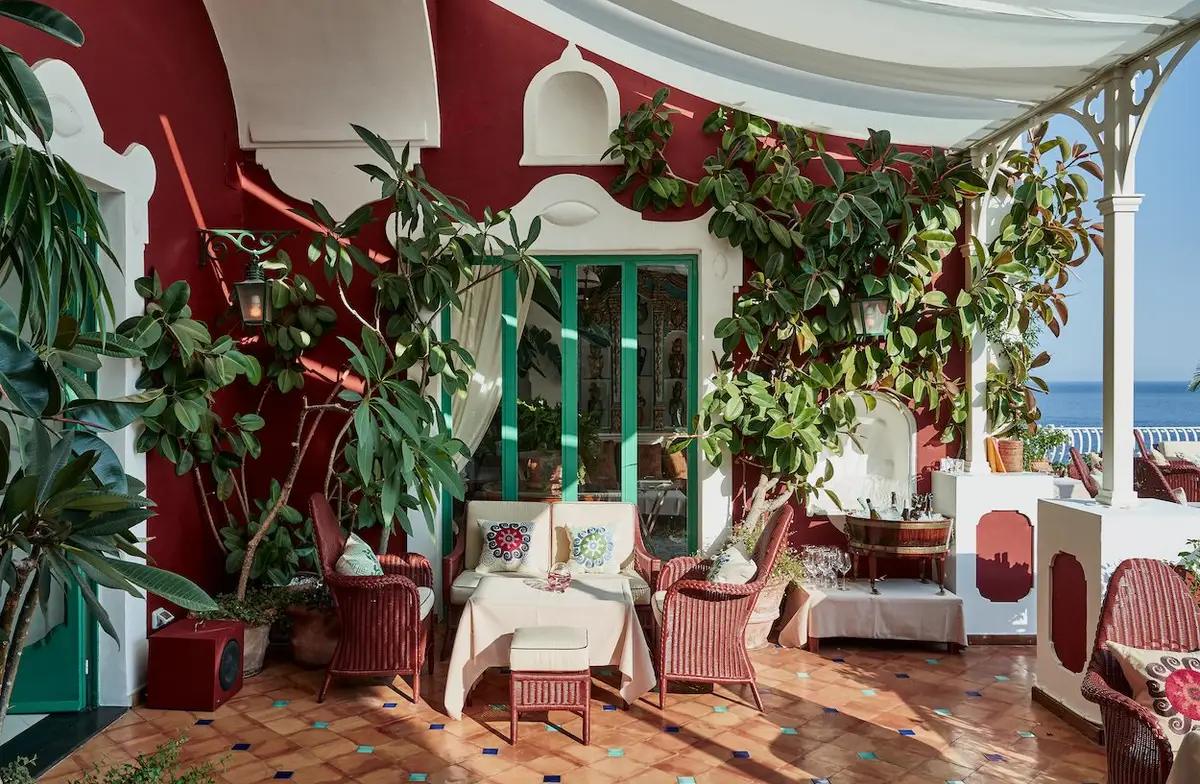
Le Sirenuse
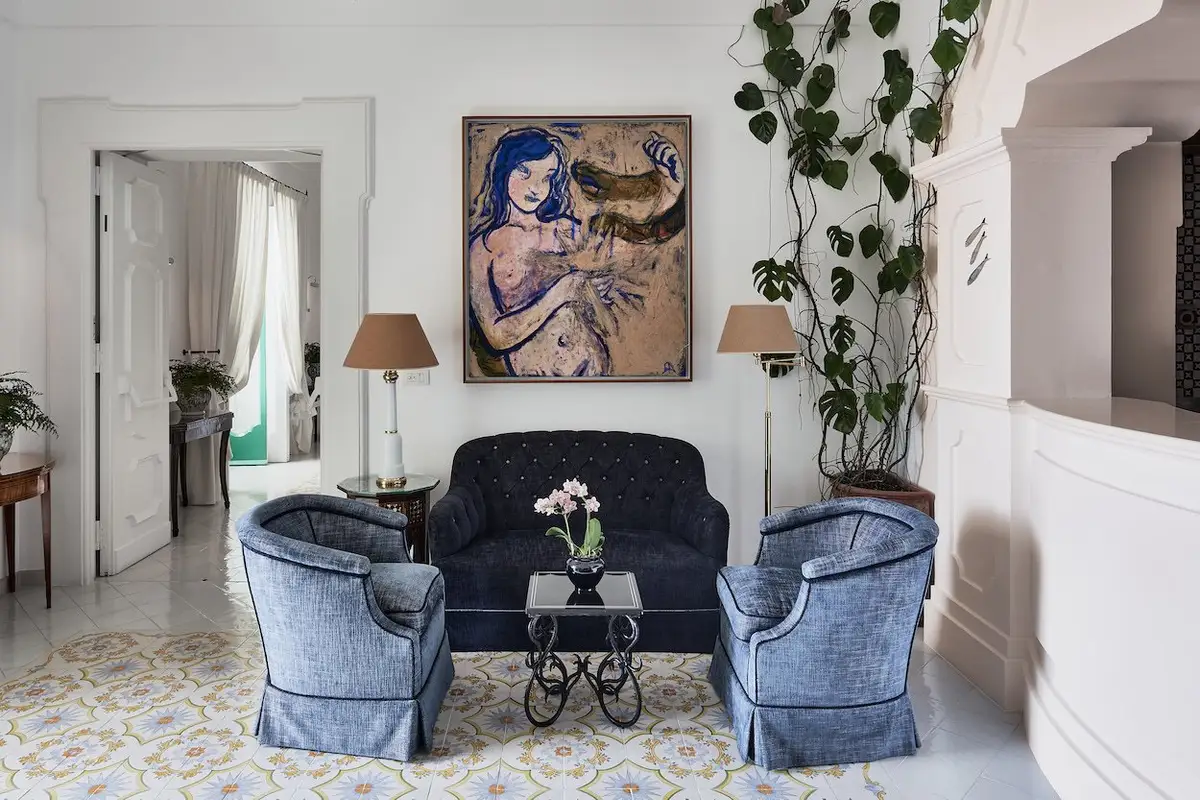
Le Sirenuse
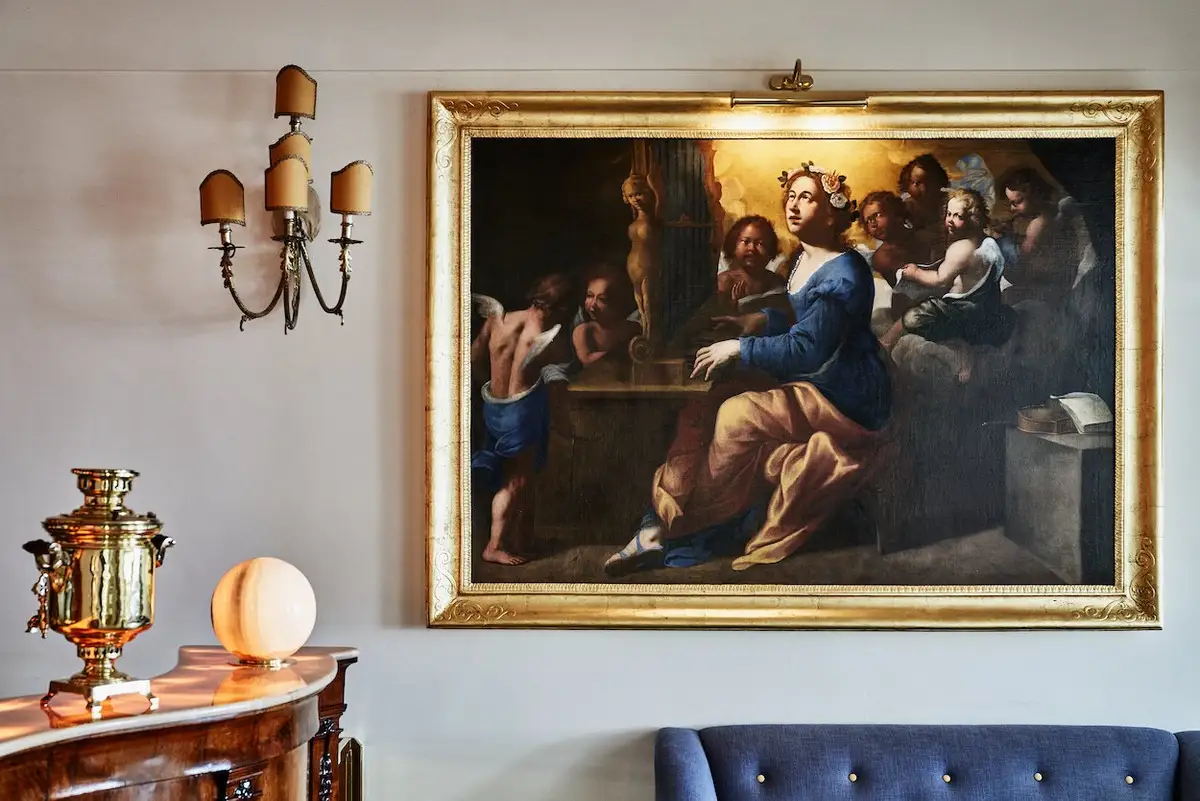
Le Sirenuse
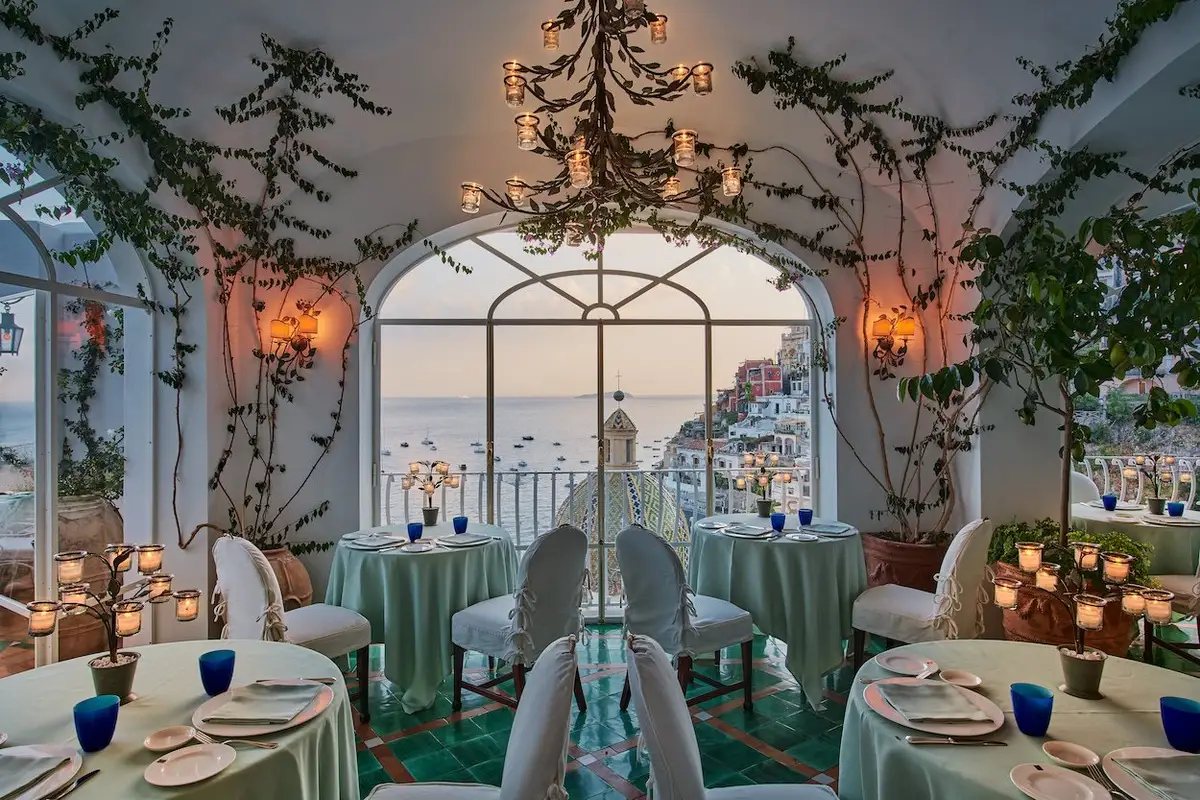
Le Sirenuse
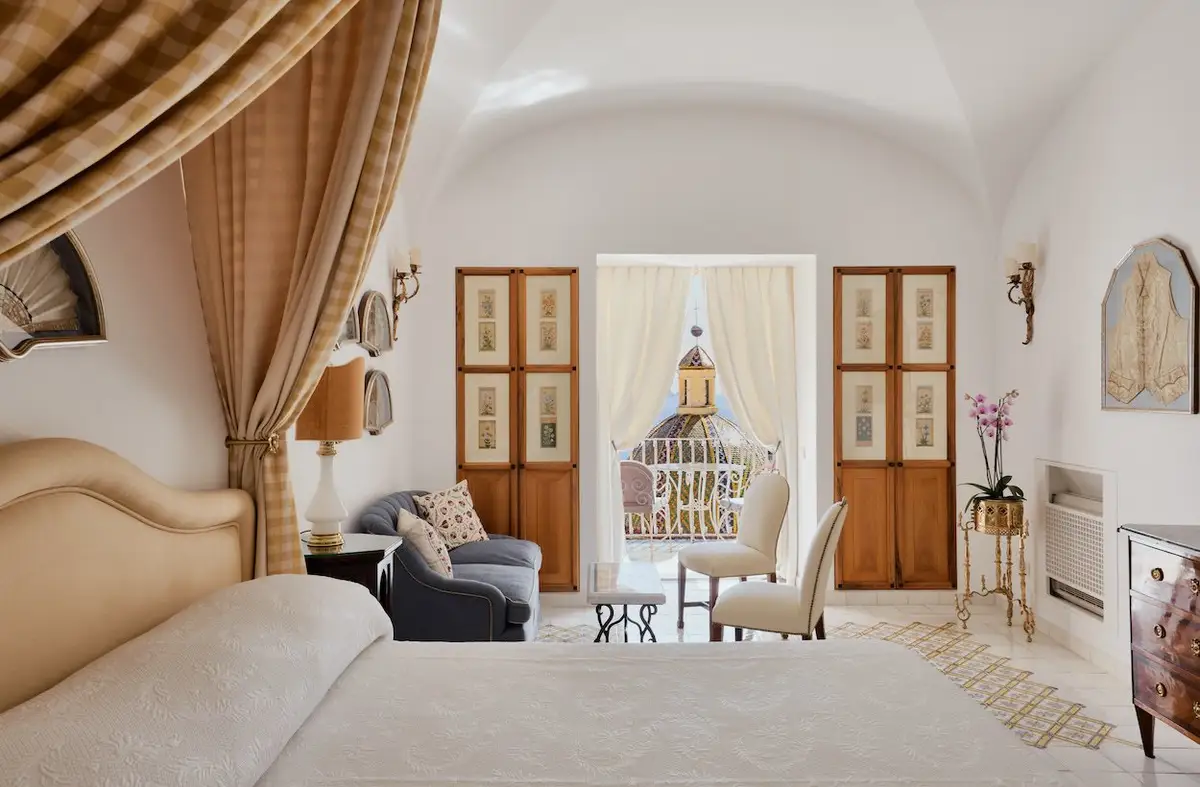
Le Sirenuse
The Amalfi Coast is all about steep climbs and terraces overlooking the sea. Villages cling to cliffs, each step offering a view over lemon groves and tiled roofs. Travellers often spend mornings walking narrow paths or riding local buses that curve along the cliffs, while afternoons drift into cafés with tables set on terraces.
Markets spill over with fresh produce, and even a quick coffee takes longer because the view keeps interrupting. Small beaches appear between rocks, often pebbled, and the water moves gently but unpredictably depending on the tide.
Roads twist sharply, so people end up stopping where they hadn’t planned, checking the colour of the water or the shape of a bay. Nights in towns like Positano or Amalfi have a calm rhythm, with restaurants opening late and light fading over the cliffs. The coast doesn’t push, but it moves people through the day by its very steepness.
Patmos, Greece
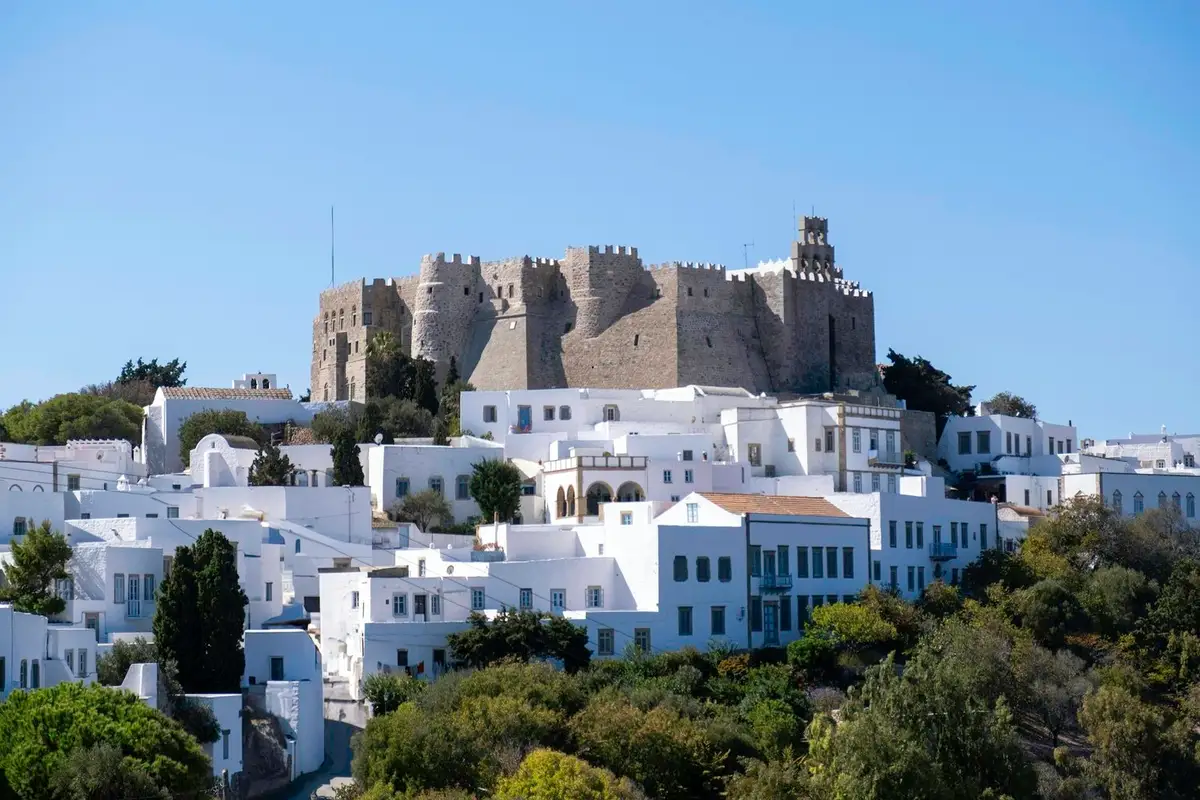
Patmos
Patmos is quieter than most Greek islands. Days tend to unfold slowly, and mornings begin with almost no sound except a few voices from the harbour. Many visitors stay in the best Patmos villas, tucked onto hillsides or around small bays, where the sea moves in soft shifts. Walks to Skala for coffee or groceries feel effortless, and small roads reveal chapels or old stone walls without warning.
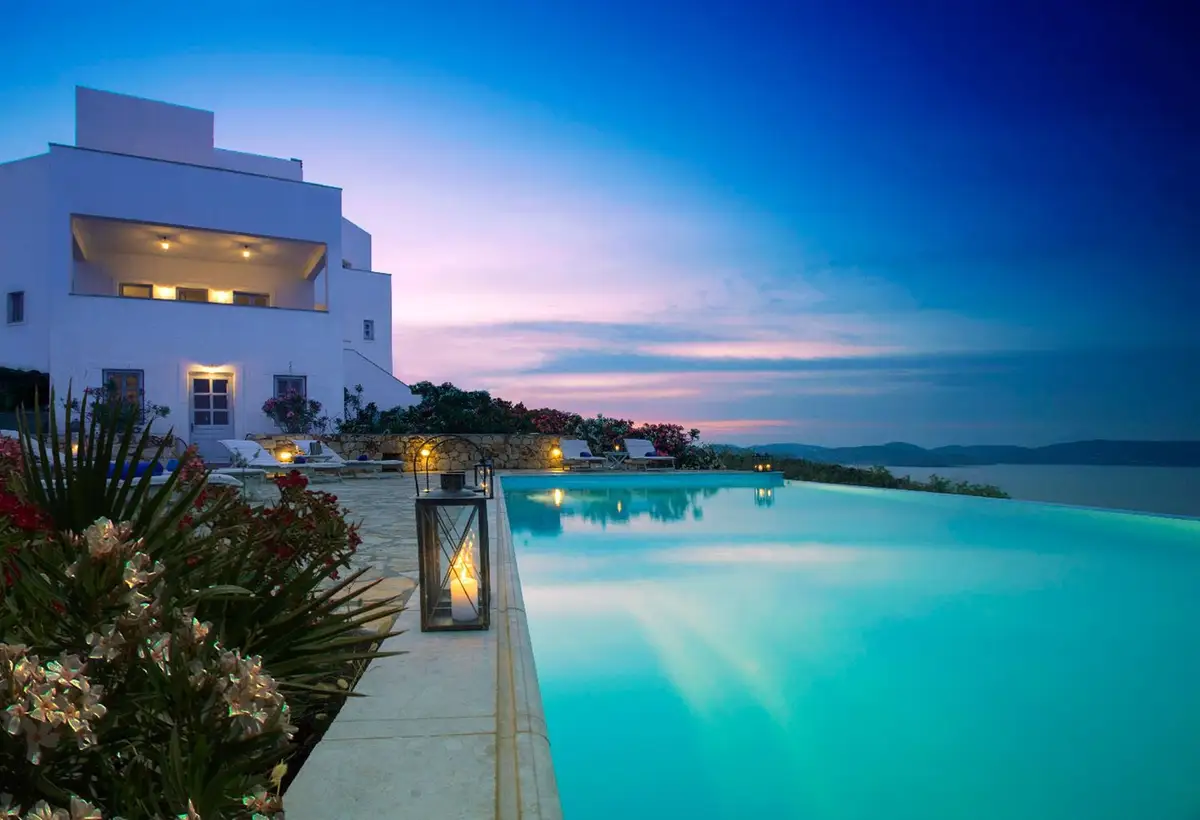
Patmos Villas
Beaches vary from pebbled stretches to wide, shallow bays, and each draws a different crowd, though rarely more than a handful of people at once. The island’s scale makes spontaneous detours easy: a sharp turn in the road can bring a completely new view. Evenings settle without strict plans, with dinners at the waterfront or a terrace, the sound of water breaking quietly nearby. Patmos moves slowly, but it leaves room for noticing small details that often get missed elsewhere.
Algarve, Portugal
The Algarve is warm and variable at the same time. Beaches stretch wide, sometimes sandy, sometimes marked by orange cliffs. Travellers often find themselves following small paths down to coves that don’t appear on maps, with water so clear it’s easy to check the depth at a glance.
Fishing towns like Lagos or Albufeira offer quieter corners, away from the main promenade, where local cafés serve cod and sardines while the sea shifts light on the rocks. Sunsets stretch into the evening with few people noticing, and even small hikes along cliff edges bring sudden stops when a new bay appears.
The coastline encourages wandering: a road might curve around a headland, revealing another cove just as appealing as the last. Heat and light shift through the day, but the Algarve doesn’t push for plans. It works quietly, asking only that people notice what’s immediately in front of them.
Normandy, France
Normandy’s coast is calmer than the Mediterranean but carries its own weight in history. Villages sit back from wide, often low-lying beaches, where the sand stretches farther than expected at low tide. The D-Day beaches are quiet now, but the area still draws attention to the scale of the coastline, not just its past. Walkers enjoy soft sand underfoot or small cliff paths that rise and fall without crowding.
Cafés serve simple seafood among traditional dishes, and small harbours hold modest fishing boats. Evenings carry a light chill, and the rhythm is slower than on more southern coasts. Normandy feels expansive; tides uncover rock pools, gulls circle, and even a short walk can uncover a small chapel or abandoned pier. Travellers often find themselves lingering simply because the coast stretches the day without insisting on a single direction. It’s a place for noticing small shifts in light, sound, and water.
Why Pick a Coastal Route Like This?
Visiting multiple coasts, from Cornwall to Patmos, Amalfi, the Algarve, and Normandy, shows how different edges of Europe shape a holiday. Each coastline sets its own pace: Cornwall encourages alert mornings and quiet evenings, Patmos slows life down, Amalfi twists the day along steep paths, the Algarve nudges people toward hidden coves, and Normandy stretches out time with soft sands and calm villages.
A trip like this isn’t about ticking sights off a list, but about noticing the way water, weather, and paths influence days. Spending time along varied coasts gives a better sense of what a holiday can quietly become.