

Epic Landscapes & Endemic Wildlife: A Luxury Guide from Patagonia to the Galapagos
27 November 2025 · Written by Lulu Townsend · Travel & Lifestyle
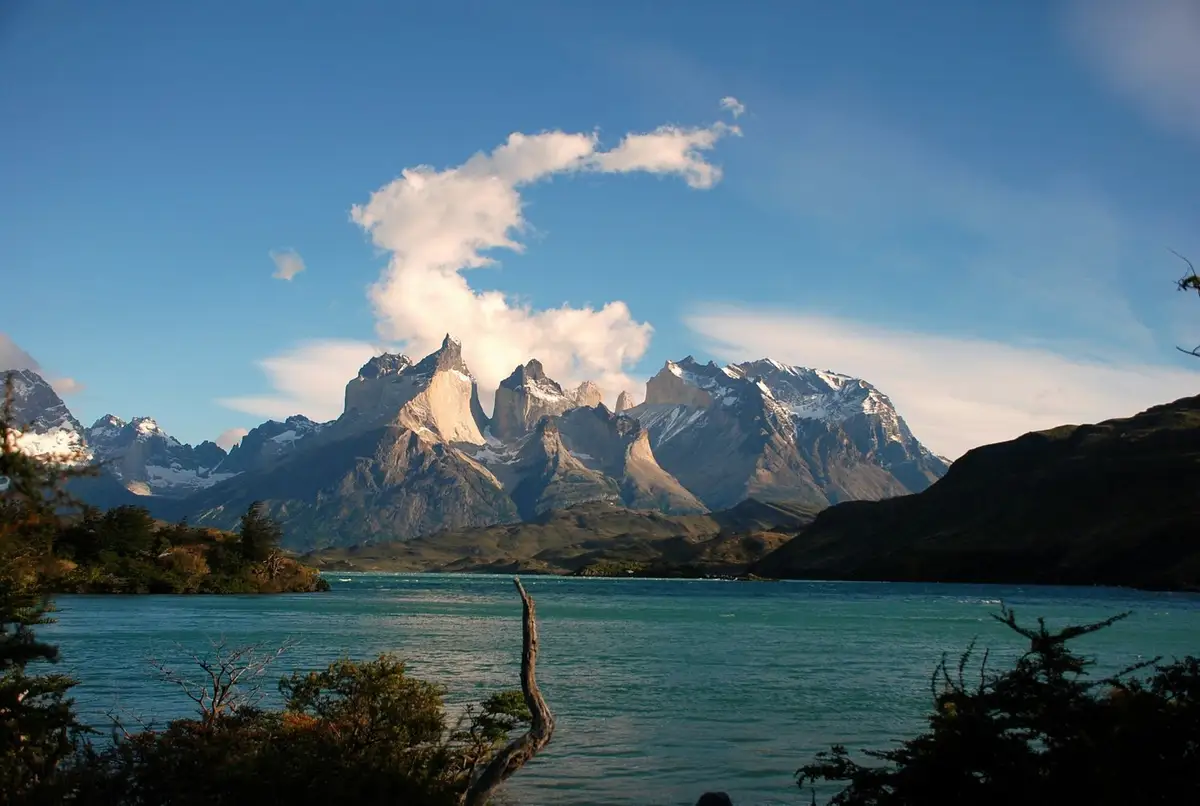
Planning a luxury escape to a remote corner of the world works best when the focus stays on what you want from the place rather than the idea of a “bucket-list” trip. Some travellers chase quiet days in wide, open landscapes; others lean towards wildlife encounters or a slower rhythm on the water.
Remote destinations offer all of this, but they also ask for a bit more preparation. Weather shifts fast, distances stretch out, and comfort depends on choosing the right base. Once those pieces line up, the trip feels surprisingly easy, even if the map looks a little wild.
Choosing Wilderness That Inspires You
The first step in shaping any high-end wilderness trip is deciding what kind of environment feels right. Some people are drawn to huge horizons and a sense of space, which makes regions like southern Chile and Argentina feel instantly appealing.
Those who enjoy Patagonia luxury travel often talk about how grounding it feels to wake up to mountains that seem to change shade every hour. Others prefer warmer, wildlife-rich settings or small desert regions with very little noise.
Picking the place isn’t about chasing the most dramatic photos; it’s more about the pace you want. If quiet walks, long drives and crisp air sound ideal, Patagonia fits easily. If you want a mix of culture and nature, areas like northern Namibia or parts of New Zealand’s South Island might work better. Once the environment feels right, the rest of the planning becomes simpler.
The Art of Luxury in Remote Places
Luxury in remote destinations isn’t about opulence but about comfort where it matters. Travellers usually look for places with strong guiding teams, flexible dining, and rooms that feel warm and functional after long days outside.
Remote lodges tend to pride themselves on details that don’t shout for attention: gear that dries properly overnight, quiet corners to read in, or staff who understand how to adjust plans when the weather shifts.
In desert regions, shade and airflow matter more than décor. In polar or high-altitude areas, heating and hydration support can make the difference between an enjoyable day and an exhausting one. Yachts add another layer, offering stability in rougher seas or access to shores without depending on busy ports. When the focus stays on comfort, rather than extravagance, the experience feels more personal. It’s usually these small, thoughtful touches that shape the whole trip.
Curating Exclusive Wildlife Experiences
Wildlife-focused trips work best when travellers keep expectations flexible. Animals follow their own desires, and the best sightings often happen at unexpected times. Small-group or private guiding helps because it keeps you nimble, especially in places like the Galápagos where landings and routes change with the conditions.
Those planning stunning Galapagos vacations often choose small expedition yachts so they can reach quieter coves or arrive early before the main groups. In colder regions such as Antarctica or Svalbard, guides read sea ice and weather like a language, deciding where to take you based on movement patterns.
If you prefer land-based wildlife, South Africa’s private reserves or parts of Borneo give you a steady mix of sightings without long travel days. The key is working with teams who understand behaviour and know when it’s worth waiting. Some of the best moments come from those pauses.
Navigating Challenges of Remote Travel
Reaching remote areas always involves a few logistical quirks, and it’s better to plan around them rather than fight them. Internal flights may only run a few times a week, and luggage limits can be strict, especially on small aircraft or boats.
Weather delays aren’t unusual either. Good operators build extra time into itineraries so you’re not scrambling if a storm closes a runway or a headwind slows a crossing. Transfers can also take longer than expected, particularly in regions where roads are unpaved. Some travellers hire private drivers or charter small planes to smooth out the journey, though this depends on how remote the wilderness actually is.
Permits may be required in national parks, which is another reason to book early. None of these hurdles should put you off; they just shape the rhythm of the trip. The more relaxed the plan, the easier it feels.
Turning a Dream Trip into a Seamless Journey
Most travellers planning high-end wilderness trips eventually realise that the smoothest experiences come from combining local knowledge with clear priorities. It helps to decide early what matters more: the property, the wildlife focus, or the landscape. That makes it easier for specialists to suggest the right mix of lodges, guides and routes.
Packing deserves more attention than people expect. Even warm regions can feel cool at dawn, and places known for sunshine can switch to cloud in minutes. A few reliable layers, comfortable footwear and a small daypack usually cover most needs.
Travel insurance that includes expedition activities is worth checking too. Once these elements line up, you’ll have room to add small extras like private hikes, quiet boat trips or conservation-focused outings. These touches often become the most memorable parts because they’re shaped around how you prefer to travel, rather than what’s advertised.
What Turns a Remote Trip Into a Truly Luxurious One?
True luxury in remote destinations has less to do with indulgence and more to do with feeling at ease in wild environments. When the planning accounts for weather, wildlife rhythms and the realities of access, you’ll move through the trip without stress.
Choosing lodges or yachts that prioritise comfort and strong guiding helps more than anything. The right packing, realistic timing and a loose, flexible itinerary also make a noticeable difference. With those basics in place, you’re free to enjoy the landscapes, the wildlife and the steady pace that comes with being far from the usual paths.