

A Beginner’s Guide to Hyperbaric Oxygen Treatment
27 January 2026 · Written by Lulu Townsend · Travel & Lifestyle

Understanding Hyperbaric Oxygen Treatment

If you've been hearing about hyperbaric oxygen therapy and wondering what all the buzz is about, you're not alone. This medical treatment has been gaining attention for its potential to help with various health conditions, from wound healing to sports recovery. At its core, hyperbaric oxygen treatment involves breathing pure oxygen in a pressurised chamber, allowing your body to absorb much more oxygen than normal. While it might sound like something from a science fiction movie, this therapy has been used in medicine for decades and continues to evolve with new applications.
The basic principle is surprisingly straightforward. When you enter a hyperbaric chamber, the air pressure is increased to levels higher than what you experience at sea level. Combined with breathing 100% oxygen instead of the roughly 21% found in regular air, your blood can carry significantly more oxygen to your tissues and organs. This oxygen boost can trigger healing responses throughout your body.
How Does the Treatment Actually Work?
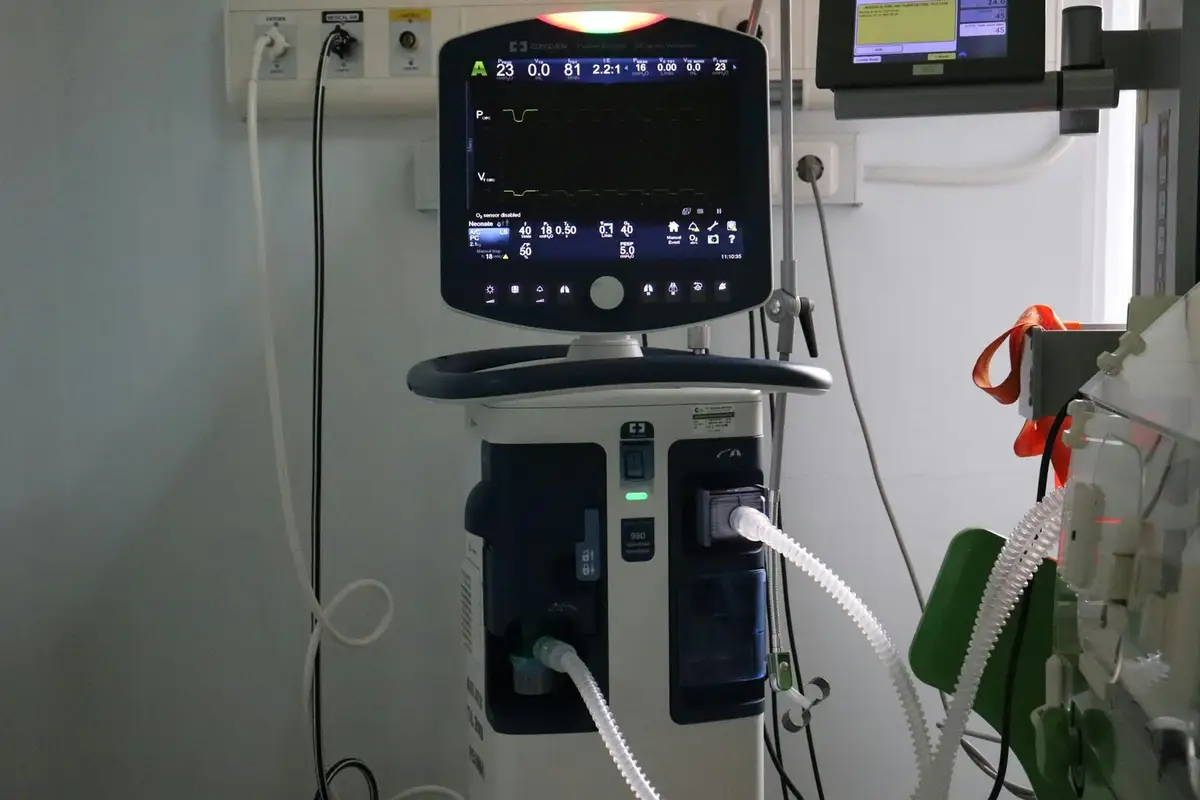
During a typical session, you'll lie comfortably in a chamber that resembles a large tube or, in some facilities, a room-sized chamber that can accommodate multiple people. The pressure gradually increases, which might make your ears feel similar to when you're taking off in an aeroplane. Most people adjust quickly by yawning or swallowing.
Sessions usually last between 60 to 90 minutes, during which you can relax, listen to music, or even watch television in some facilities. The increased pressure allows oxygen to dissolve more readily into your blood plasma, cerebrospinal fluid, and other bodily fluids. This oxygen-rich environment reaches areas that might have restricted blood flow, potentially promoting healing and reducing inflammation.
Conditions That May Benefit from Treatment
Hyperbaric oxygen therapy has FDA approval for treating several specific medical conditions. These include decompression sickness (the bends), carbon monoxide poisoning, non-healing wounds, certain infections, and radiation injury. Many hospitals use it as part of their standard treatment protocols for these conditions.
Beyond FDA-approved uses, researchers are exploring its potential for treating traumatic brain injuries, stroke recovery, fibromyalgia, and even certain aspects of autism. However, it's important to note that evidence for these applications varies, and you should always consult with healthcare professionals about whether this therapy is appropriate for your specific situation.
Finding the Right Facility for Your Needs
When you start searching for hyperbaric chamber therapy near me, you'll discover that facilities can vary significantly in their approach and equipment. Some are located within hospitals and focus primarily on treating acute medical conditions. Others are standalone wellness centers that may offer treatments for a broader range of conditions.
Look for facilities with certified operators and medical oversight. The staff should be trained in hyperbaric medicine, and ideally, a physician should be involved in your treatment plan. Don't hesitate to ask about their experience, safety protocols, and the specific type of chamber they use.
What to Expect During Your First Session
Your first visit will typically include a consultation and medical evaluation. The staff will review your health history, explain the procedure, and answer any questions. You'll need to wear special clothing provided by the facility, as certain materials can be fire hazards in oxygen-rich environments.
Before entering the chamber, you'll remove items like jewelry, watches, and electronic devices. Once inside, the pressure changes gradually, and staff members monitor you throughout the session. Most people find the experience relaxing once they adjust to the pressure changes.
Safety Considerations and Side Effects
Hyperbaric oxygen therapy is generally safe when administered properly, but it's not for everyone. People with certain types of lung disease or those who have recently had ear surgery may not be good candidates. The most common side effects are minor and include ear pressure, temporary vision changes, and fatigue.
More serious complications are rare but can include oxygen toxicity or barotrauma. This is why choosing a reputable facility with experienced staff is so important. Always disclose your complete medical history and any medications you're taking.
Making an Informed Decision
Hyperbaric oxygen treatment represents an interesting intersection of established medicine and emerging therapies. While it's proven effective for certain conditions, it's not a miracle cure for everything. Research your options carefully, talk to your doctor, and make sure any facility you consider has proper credentials and safety measures in place. With the right approach and realistic expectations, hyperbaric oxygen therapy might be a valuable addition to your health and wellness journey.