

Travellers Are Turning Their Backs On Airbnb
11 December 2025 · Written by Lulu Townsend · Travel & Lifestyle
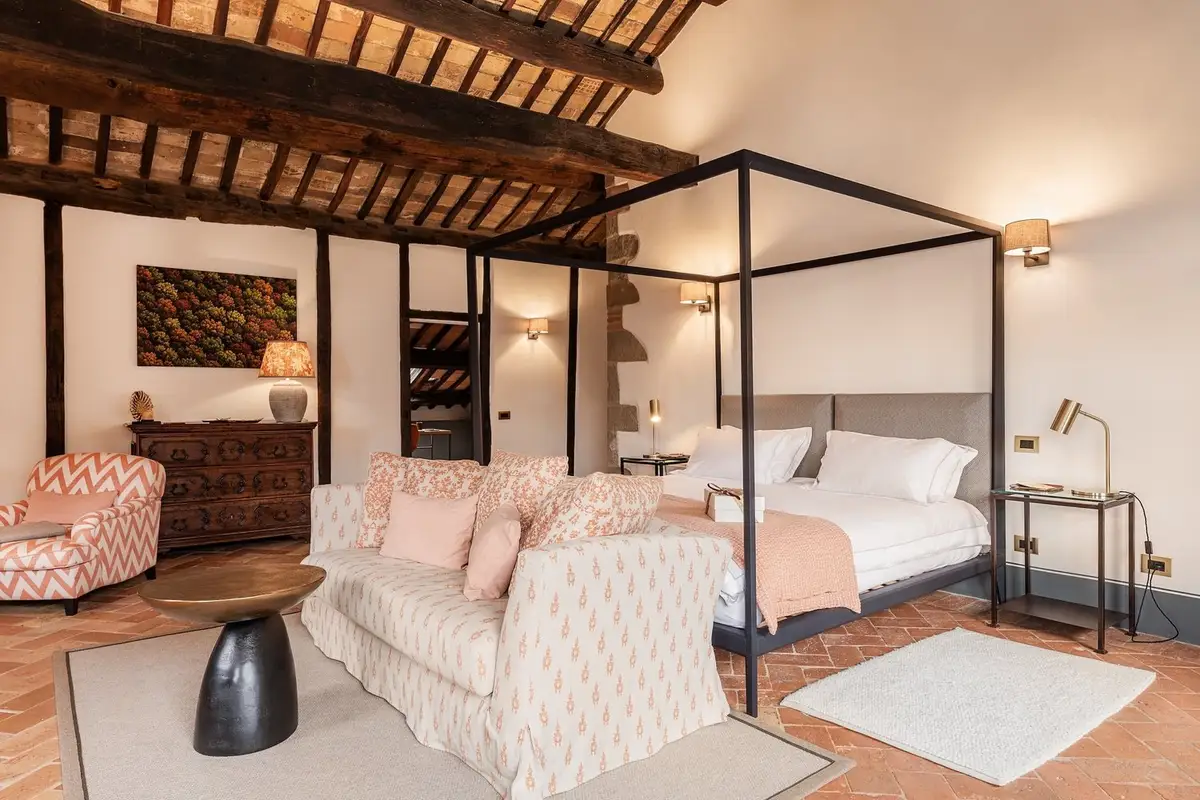
Something has shifted. Travellers who once booked an Airbnb without thinking twice now find themselves heading back to hotels, guesthouses and well-run B&Bs. The spark that made Airbnb exciting in its early days has dulled. What was once a refreshing alternative feels, for many, like more work, more risk and less value compared to a boutique hotel, B&B or larger hotel stay.
Airbnb grew because it promised personality. It offered quirks, character and the sense of staying somewhere lived-in for a fraction of the price of a hotel. The problem is that the experience no longer feels consistent. Too many travellers now talk about cleaning fees that rival hotel rates, long checkout lists, unpredictable hosts and properties that look nothing like the photos. People feel tired of negotiating terms for a holiday they are paying for. That fatigue has pushed them back towards places run by professionals with real hospitality.
Hotels, luxury residences and luxury B&Bs have benefited. Travellers want clarity. They want proper service. They want someone on hand when the heating stops working or when they lock themselves out. They want breakfast cooked for them. They want to know that the bathroom will have hot water and a proper set of bath and body products. They also want the small things done well. Flannels. Decent coffee. A mattress that does not leave them aching. Many remember these touches and attention to detail only after returning to hotels.
There is also the simple truth that pricing on Airbnb no longer feels competitive. Once you add cleaning fees and service charges, a stylish boutique hotel or luxury B&B often feels more affordable. The shift in perception is strong. Travellers now compare the cost of an Airbnb with the ease of a hotel stay. In many cases the hotel wins.
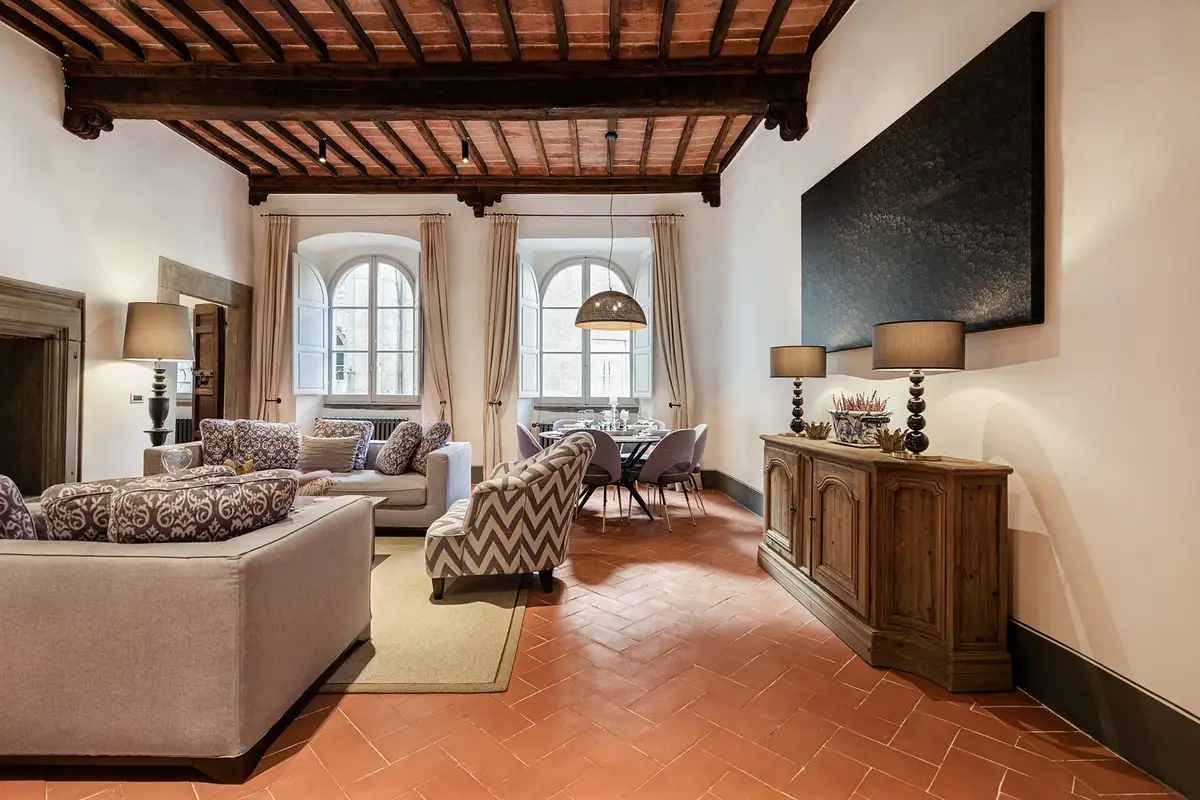
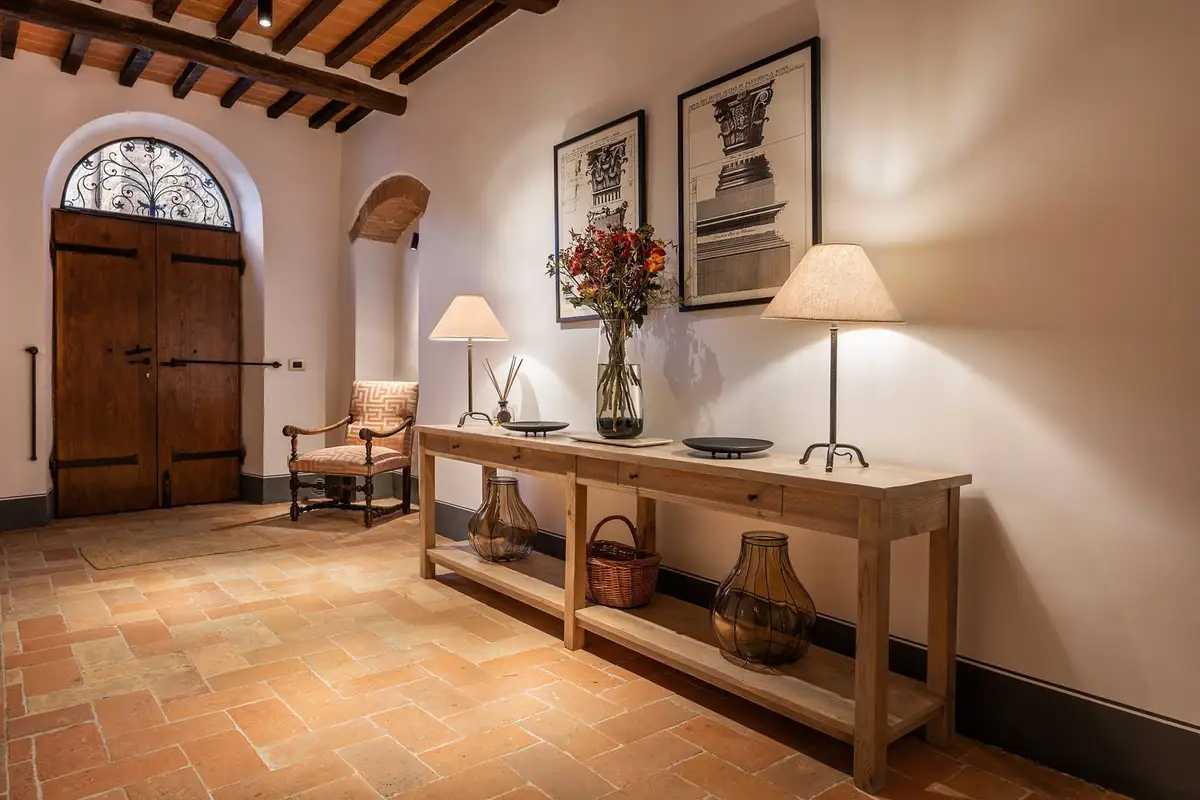
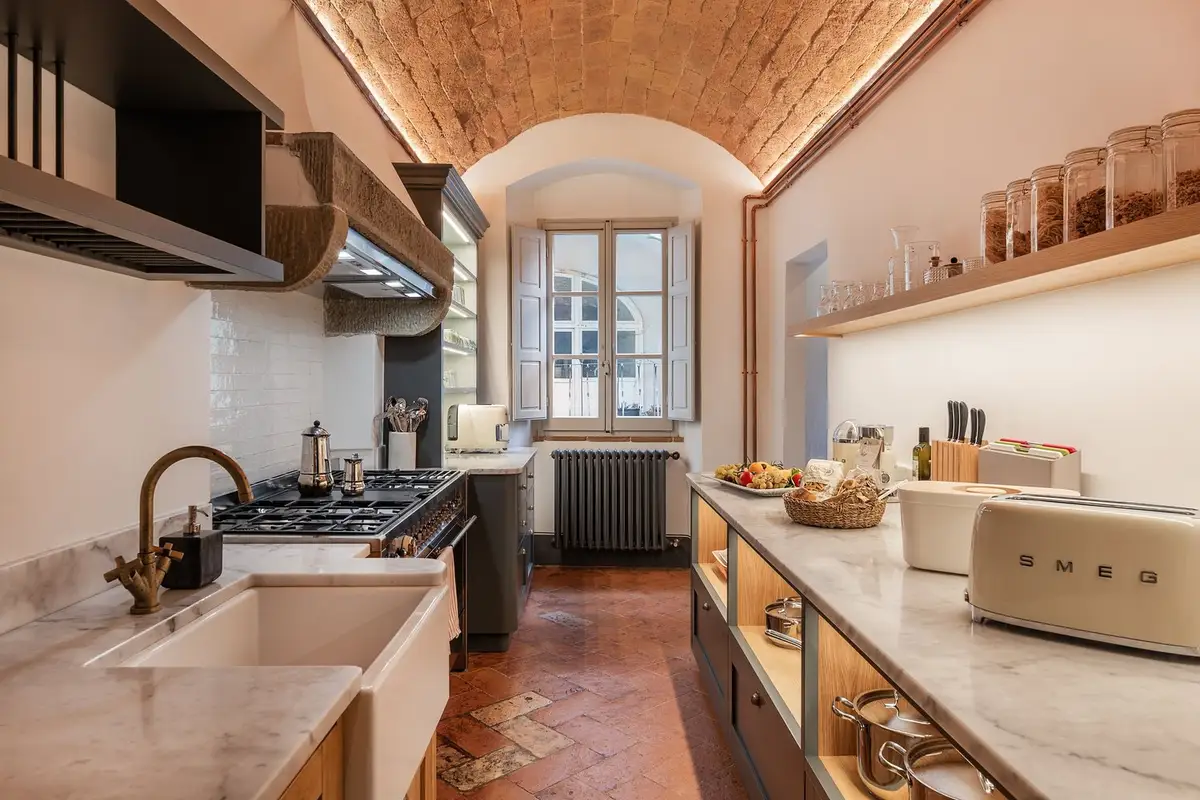
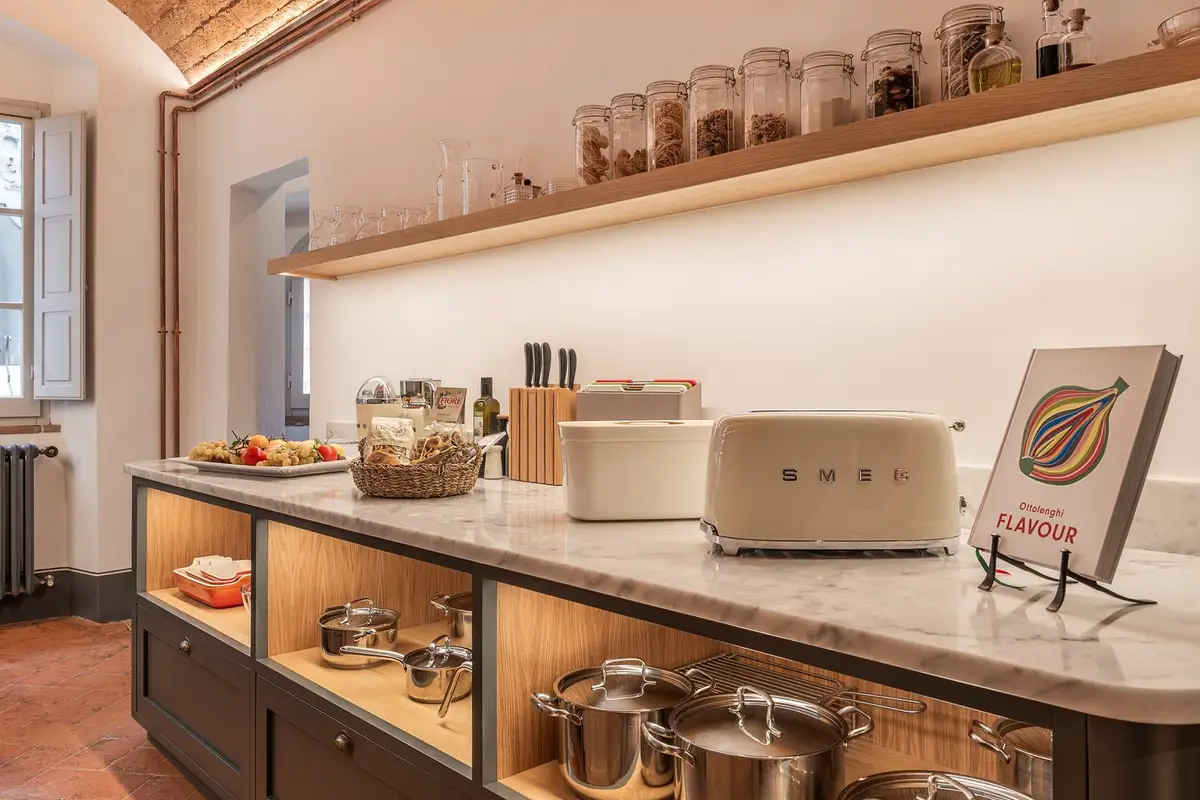
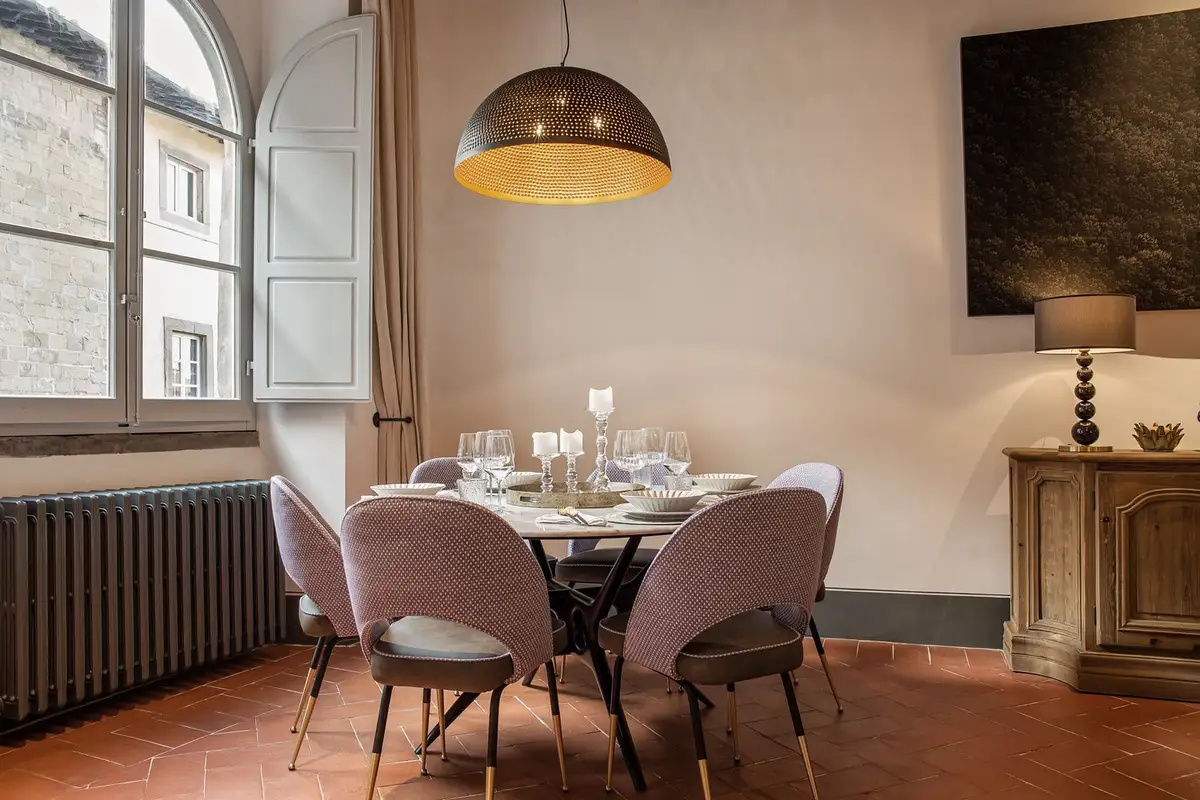
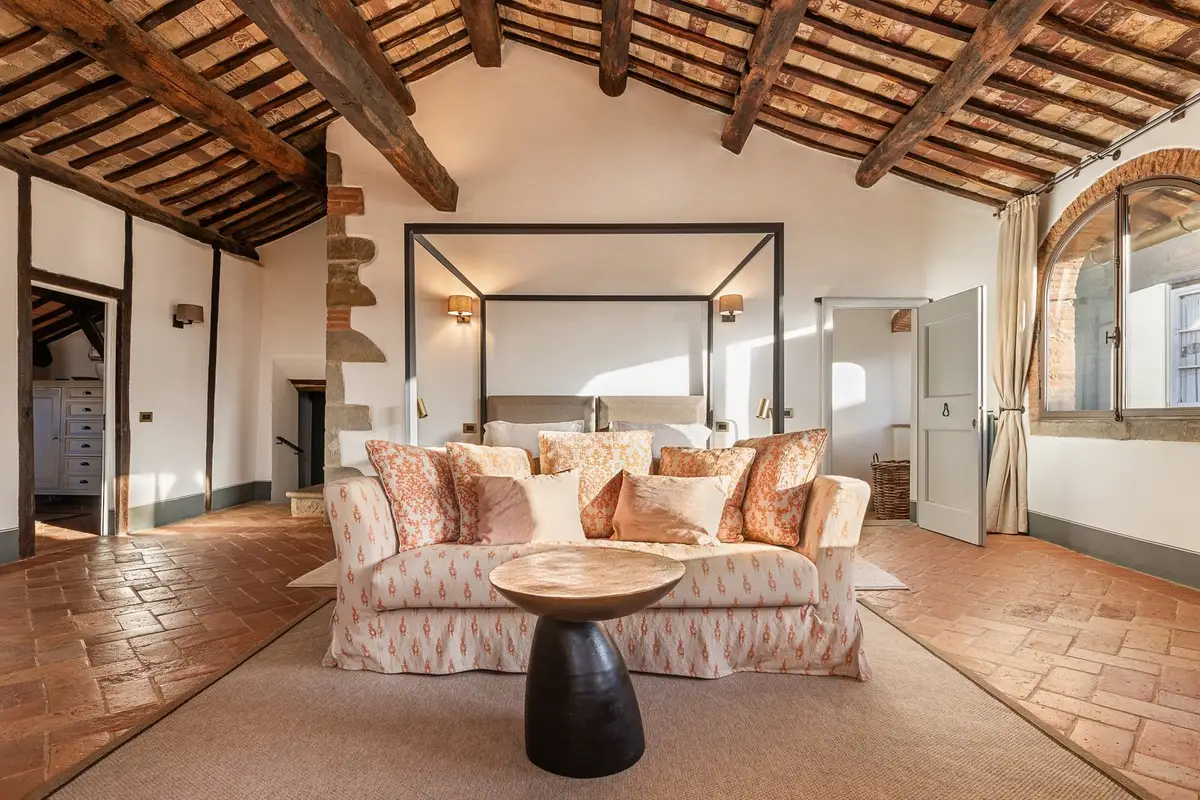
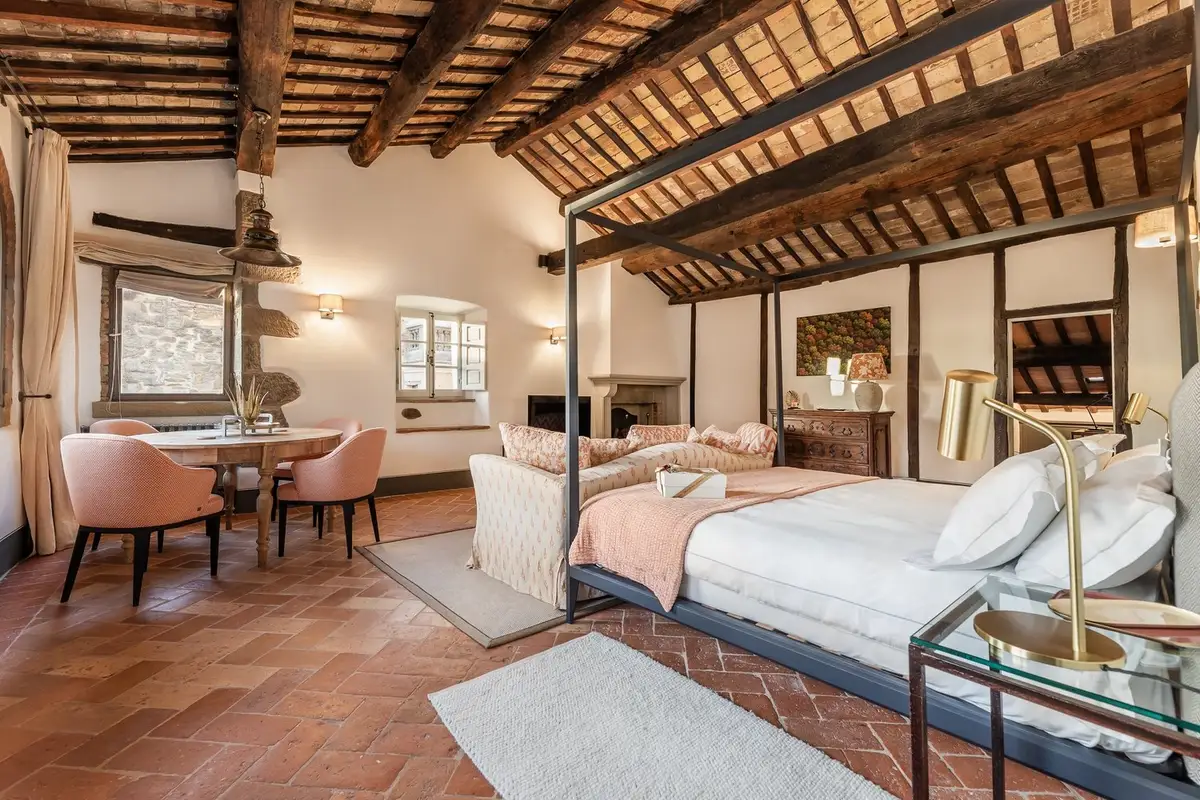
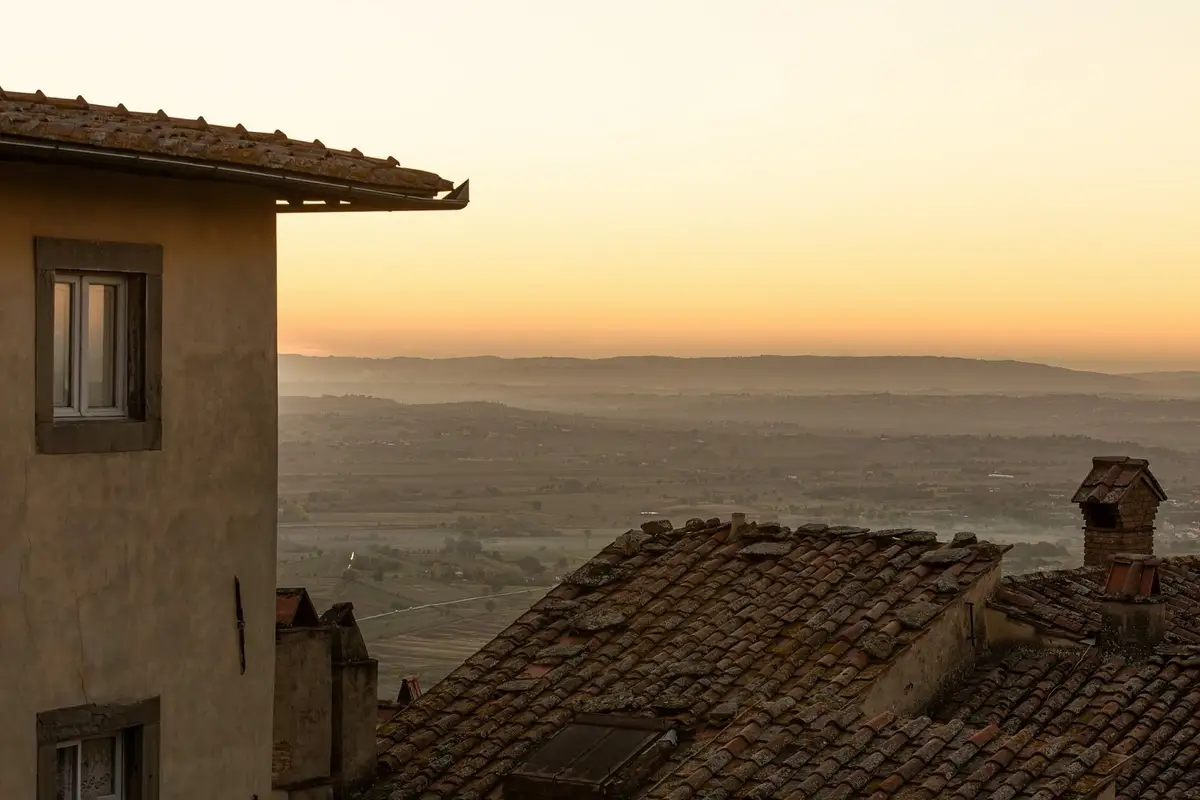
In fact with cleaning fees it’s often far cheaper to book a luxury self-catering propery directly - Palazzo Passerini in Cortona is a good example. This beautifully renovated palazzo sleeps six people with bespoke marble bathrooms and kitchen, grand salon with open fireplace and honesty bar and huge, beautiful, handmade wrought iron beds. There’s superfast WiFi, a wonderful welcome pack, fresh flowers and a Manager on hand to help with any queries.
Safety has played a part as well. Guests feel reassured by staffed reception areas, clear check-in processes and a team trained to help. Airbnb works brilliantly when it works. When it doesn’t, you’re often on your own. That reality has steered families, solo travellers and older travellers back to traditional hospitality.
The other change is emotional. People want to feel welcomed. They want warmth, consistency and human connection. Independent hotels and B&Bs deliver this better than ever. Owners and hoteliers know the pressure their sector has been under. They have refined their offer. Better breakfasts. Better interiors. Better storytelling. The result is a level of hospitality that feels more thoughtful and much more dependable.
Airbnb still has its place. It suits long stays, remote spots and groups on a budget. It suits destinations with limited hotel choices. It suits travellers who want to live like a local for a few days. Yet the mass movement towards it has eased. What you hear now is a quiet return to comfort. People want their holidays to feel like a treat, not an admin task.
Travel is cyclical. Preferences shift as quickly as trends. What remains constant is the desire for an experience and one that is handled with care. Travellers are rediscovering that this is what boutique hotels, luxury hotels and B&Bs do best.