

Sleep Tourism: Why Your Next Hotel Stay Should Start at Bedtime
4 May 2026 · Written by Lulu Townsend · Travel & Lifestyle
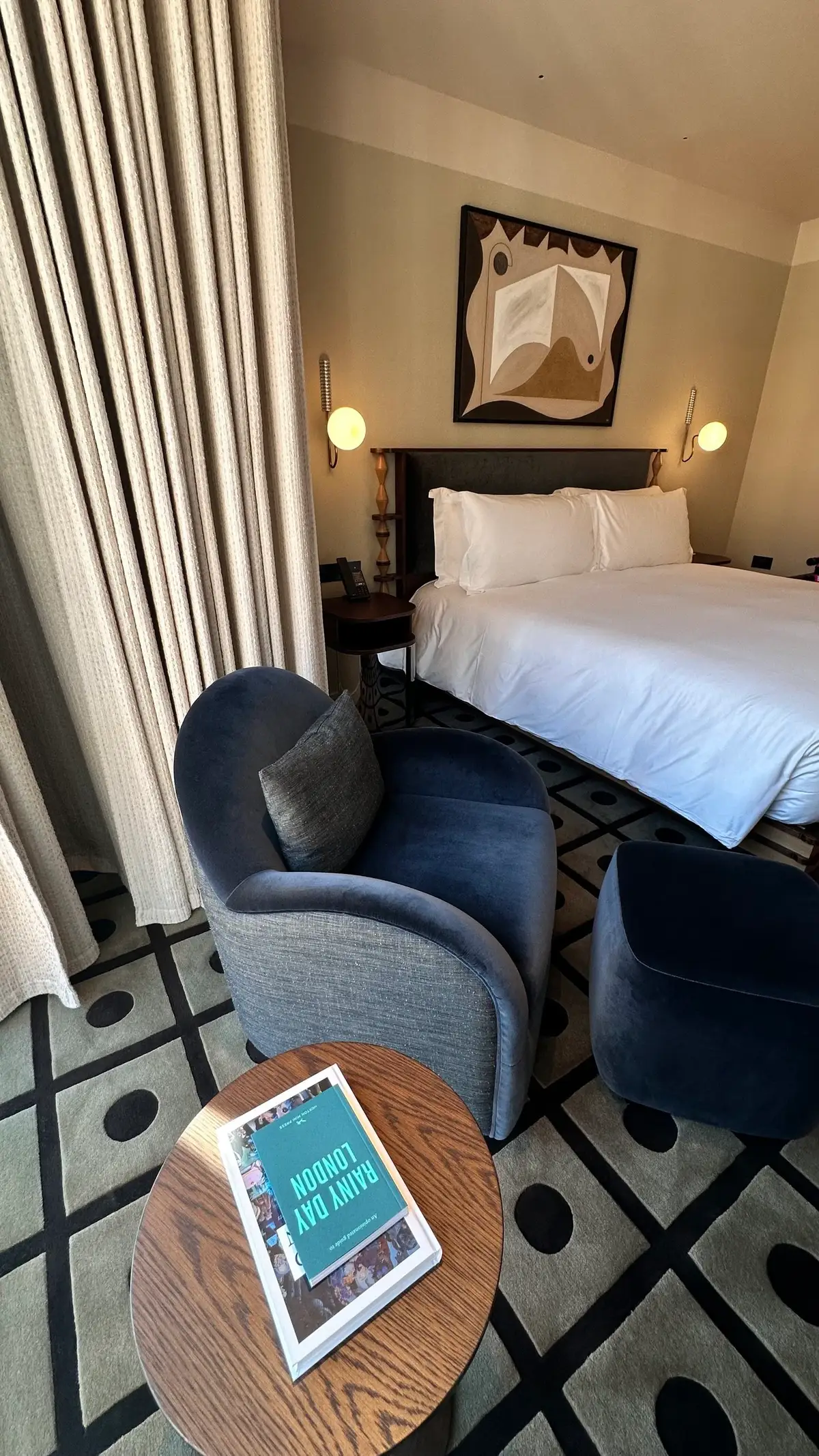
We talk a lot about spas. About food. About design. But the real test of a hotel is far simpler.
How well do you sleep?
Sleep tourism has quietly moved from niche to necessary. According to Hilton’s 2024 trends report, over 60% of travellers now prioritise rest and recovery when choosing where to stay. That figure rises even higher among women over 40. It’s no surprise. Life feels louder than ever. Travel has become less about ticking places off and more about how you feel when you get home.
And nothing resets you faster than proper sleep. The best hotels and B&Bs understand this. Not as a feature. As an essential foundation.
It starts with the bed
You know within minutes. Too soft. Too firm. Pillows that collapse. Synthetic duvets that trap heat.
Or the opposite.
A mattress that supports without pushing back. Natural fillings. Proper weight to the duvet. Naturalmat leads the way here, and more hotels are catching on. Handmade, breathable, and built for real sleep rather than showroom comfort.
At The Newman in Fitzrovia, the beds are set up properly. You get blackout blinds that block everything. No slivers of light at the edges. No flicker from the street. It’s a detail, but it changes everything. They also provide sleep essentials from British brand KLORIS, including sleep patches, CBD balm and a soothing sleep mist.
Light matters more than you think
Most hotel rooms get this wrong.
A blinking smoke alarm. A standby light on the television. Gaps in the curtains. Digital alarm clocks.
Your body notices even if you don’t.
The better hotels treat darkness as part of the integral design. Not as an afterthought.
Layered lighting. Dimmable controls. Total blackout when you want it. It sounds simple. It isn’t common and yet it’s so obvious!
Silence is a luxury
City hotels rarely deliver true silence. You hear lifts. Doors. Early morning deliveries. Bin men. Late-night returns.
Once you’ve stayed somewhere that gets this right, it’s hard to go anywhere else.
Good insulation. Thoughtful layout. Rooms positioned away from service areas.
These are decisions made at the design stage long before a guest has even stayed.
Ritual replaces routine
This is where sleep tourism moves beyond the room.
It’s the small shifts in how you end the day.
A herbal tea instead of another drink.
A bath with proper products.
A book beside the bed that isn’t there as a prop.
Some hotels are leaning into this properly.
You’ll see CBD sleep oils. Pillow sprays that don’t smell synthetic. Magnesium-based products and bath salts. A quiet push away from screens and towards slower evenings.
At Kingsley House, it’s the small things. A fire is already lit. Fresh coffee brought to your room in the morning rather than a machine on a tray. It creates a service that encourages rest without forcing it.
Wellness spaces that support sleep
Not all spas help you sleep. Some energise. Some overstimulate. Some feel like a checklist.
The ones that work focus on the nervous system.
Heat. Cold. Water. Stillness.
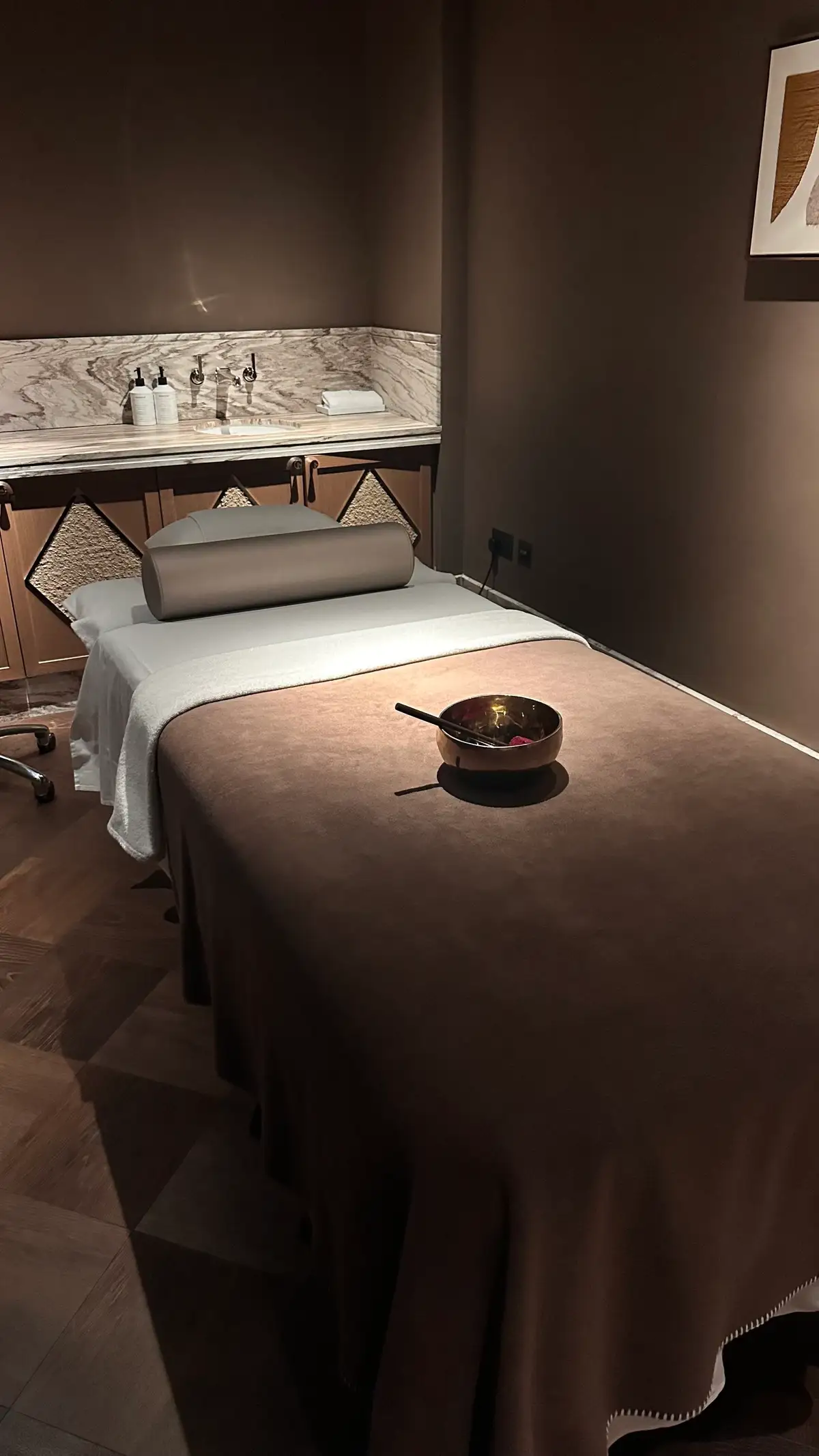
At The Newman, the wellness floor is one of the best in London for this. A hydrotherapy pool, salt room, sauna, steam, and spaces designed to bring you down rather than lift you up. You leave slower than you arrived. That’s the point.
Food plays a role
Late, heavy dinners. Too much sugar. Alcohol disguised as relaxation.
It all shows up at 3am.
The best hotel kitchens understand this balance. Menus that allow you to eat well without overdoing it. Lighter options. Early dining that doesn’t feel like a compromise.
You sleep differently when your body isn’t working through a meal.
Why this matters now
Sleep isn’t a luxury anymore. It’s the baseline essential.
Travel used to be about escape. Now it’s about restoration and repair.
You don’t need more stimulation. You need somewhere that lets your body switch off properly. Somewhere that respects how important that is.
So next time you book a hotel, start with the question that matters.
Will you sleep well here?
Because if the answer is yes, everything else tends to fall into place.