

Made to Measure: The Luxury of a Personalised Holiday
14 November 2025 · Written by Lulu Townsend · Travel & Lifestyle
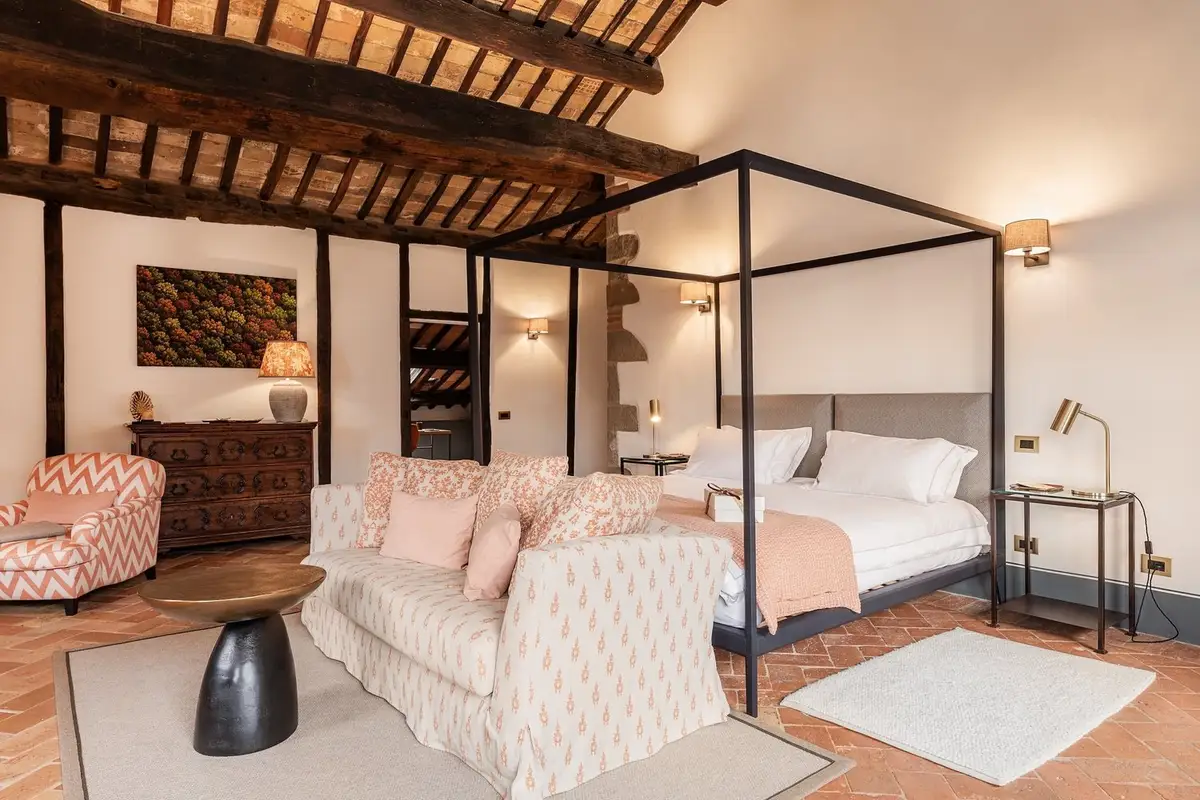
There’s a quiet sort of freedom in knowing a trip has been built with someone in mind. No group itineraries, no identical photo stops, no fixed dinner times. Each day unfolds at a natural, unhurried pace, with a personal feel.
A personalised holiday bends around preferences rather than forcing them to fit a plan. It’s not about extravagance or being waited on; it’s about detail, the kind that remembers how someone takes their coffee or that they’d rather walk than ride. Travel feels different when it’s shaped around a person’s habits and pace, not a company’s timetable or a guidebook’s script.
Personalised Planning
When travellers say tailor-made luxury holidays are better, they rarely mean lavish. They mean accurate. A proper travel planner listens before recommending, asking about habits, comfort levels, and how much structure someone actually wants. Maybe early mornings are a struggle, or small guesthouses feel more genuine than glossy hotels.
A thoughtful itinerary reflects that, capturing a person’s pace rather than dictating one. There’s reassurance in opening a schedule and recognising something familiar, an echo of how one already moves through daily life.
The process itself becomes part of the pleasure, offering small glimpses of the journey ahead. That kind of planning saves time, but it also builds anticipation in a quiet, steady way. It’s not about ticking off landmarks; it’s about alignment between intention and experience. In that sense, personal planning becomes its own kind of luxury: discreet, careful, and quietly confident.
When Travel Fits Everyone
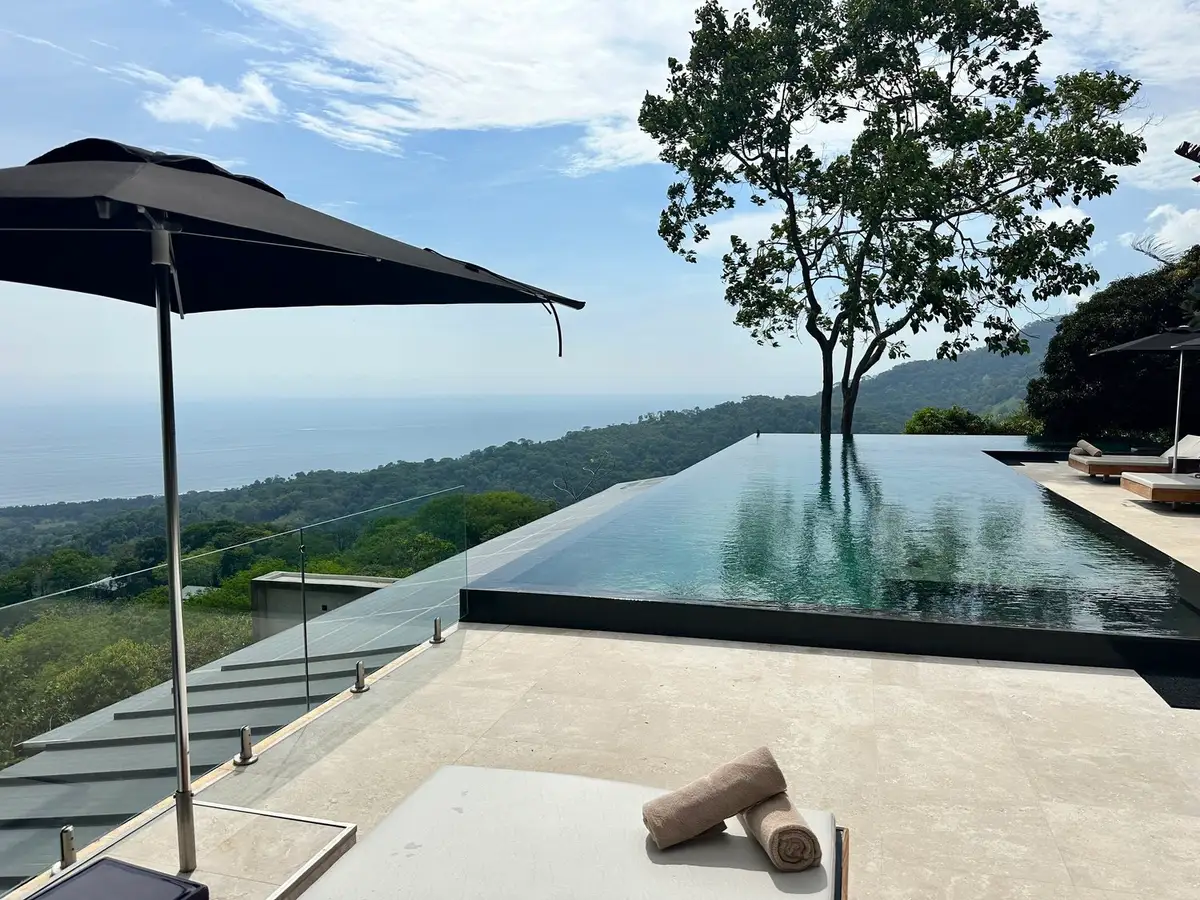
Kura, Costa Rica
Personalised travel isn’t just for solo wanderers or couples chasing quiet corners. It can work brilliantly for groups too when it’s handled with care. A group trip doesn’t have to mean compromise or herding people from one stop to another.
With thoughtful planning, each person’s preferences: early risers, late sleepers, walkers, and relaxers can slot neatly into the same journey. The best itineraries build in choice rather than strict schedules, so no one feels rushed or left behind. Maybe one morning half the group heads for a cooking class while others take a guided walk, meeting later for dinner that actually suits everyone’s pace.
It’s about designing movement that feels shared, not forced. When a trip fits a group as comfortably as it fits the individuals within it, that’s where the real luxury lies. Everyone gets their own version of the same story, and somehow it all still connects.
Carefully Curated Activities
Not every journey needs a spreadsheet of timings or a dozen tabs open the night before. In many places, the hard work’s already been done. Whether it’s coastal drives in Portugal, vineyard trails in France, or the fantastic Ireland tours shaped by local experts, carefully curated trips take the strain out of planning.
The routes have been tested, the pacing refined, the quiet breaks considered. You can step into them without losing spontaneity because the framework’s been designed to let the day breathe. Good curation doesn’t feel like control; it feels like freedom.
When someone’s already thought about how the light falls, when the crowds thin, or where to stop for lunch, the journey moves naturally. You don’t have to plan every detail to travel well. You just need an itinerary that understands when to lead and when to let go.
Local Knowledge and Real Connection

Ulpotha, Sri Lanka
Local knowledge gives a journey its depth. Without it, even the most polished itinerary feels hollow. True connection comes from people who live the rhythm of a place, the guides who greet café owners by name, or the driver who knows which route avoids the morning fog. These small details turn travel from observation into participation.
Visitors might discover where families gather for Sunday lunch or which corner bakery sells bread still warm from the oven. These aren’t secrets, just everyday truths shared generously. A personalised trip weaves them into the plan so that culture isn’t presented but lived. The experience becomes less about sightseeing and more about understanding how a place just exists.
It’s the difference between being led and being welcomed. When a destination opens up like that, it leaves a mark far stronger than any souvenir could. The memory settles in quietly and lingers long after leaving.
Time, Comfort, and the Quiet Kind of Luxury
Luxury has changed. It’s no longer measured by thread count or champagne but by time and ease. The most refined journeys now protect space: space to rest, pause, or wander without hurry.
A schedule built around comfort might include generous mornings, unhurried meals, and routes that allow for detours. It’s not indulgence but balance. Comfort can mean silence during a drive, a view without a crowd, or a room where no one needs to be polite. Good travel design anticipates what travellers might not say aloud: that they want to move easily, not constantly perform enjoyment.
When transfers, meals, and transitions unfold seamlessly, no one notices the work behind them. That invisibility is the real luxury. It creates calm without calling attention to itself. When every element supports quiet confidence rather than spectacle, the result feels not grand, but deeply human.
What Turns Travel Into Something Personal?
Perhaps it’s the rhythm, or the balance between structure and freedom. A personalised holiday understands when to step forward and when to stay quiet. It doesn’t try to impress; it simply fits, almost invisibly.
Experiences unfold naturally because they belong to the traveller, not the itinerary. There’s an honesty to that kind of design, luxury not in excess but in understanding. When a journey reflects a person’s way of seeing the world, it becomes more than a movement between places. It becomes recognition. The destination doesn’t define the memory; the feeling of being understood does. And that, truly, lasts.