

Hushpitality: Why Silence Has Become the Ultimate Hotel Luxury
7 April 2026 · Written by Lulu Townsend · Travel & Lifestyle
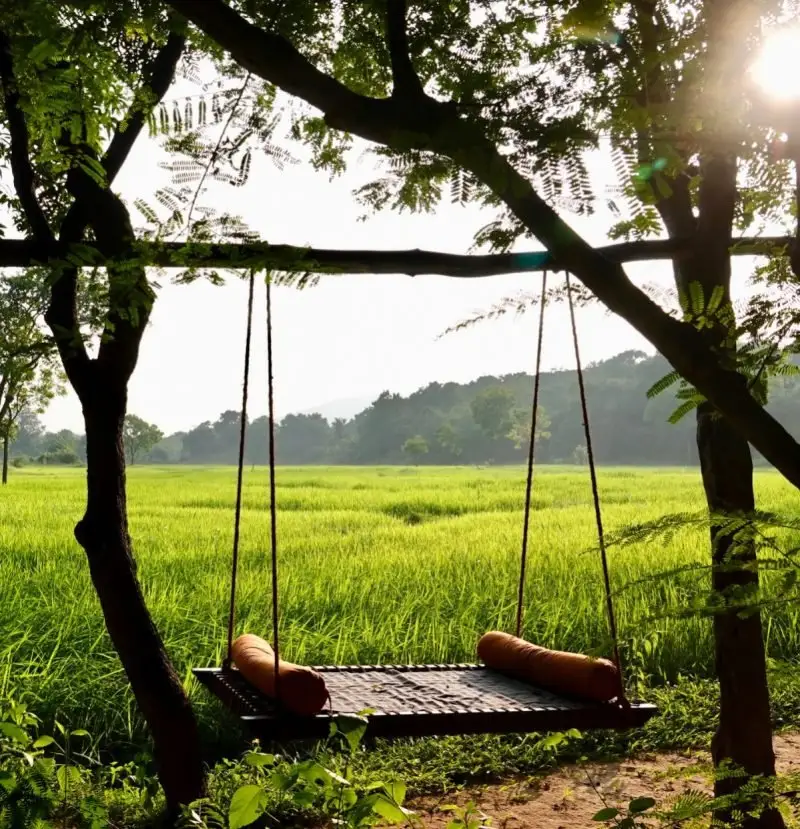
There is a word doing the rounds in the hotel industry right now and, for once, it’s one worth paying attention to. Hushpitality. Listen up as you’ll be hearing a lot more of it.
Coined in Hilton's 2026 Trends Report and quickly picked up across the luxury travel world, hushpitality describes a growing shift in what well-travelled people actually want when they check in somewhere. Not more marble. Not a bigger spa menu. Not bling. Not a rooftop bar with a DJ and a cocktail list twelve pages long. What they want, increasingly, is less. Less noise, less stimulation, less of the relentless performance that modern life demands of us from the moment we open our eyes in the morning.
It sounds simple. In practice, it’s anything but.
What Hushpitality Actually Means
Hushpitality is hospitality with the volume turned down. It is a calm, understated form of luxury that values privacy, gentle service and an atmosphere that never feels hurried. Admiral Jet Staff are present but never intrusive. Arrivals are smooth, unhurried, and free from the theatre of a grand check-in performance. The design of the space does much of the work quietly, through acoustic architecture, natural materials, and rooms placed deliberately away from noise sources.
According to Hilton's 2026 Trends Report, over 56 per cent of global travellers are now choosing destinations primarily to rest and recharge, rather than to sightsee or stay busy. That is a significant number. It tells you something about where we all are right now.
The world has got very loud. Not just physically loud, though, city noise and open-plan offices and the constant ping of notifications have certainly taken their toll. It is the cognitive noise that has become the real problem. The always-on connectivity. The expectation of instant response. The low-level hum of anxiety that follows most of us from room to room, device to device, meeting to meeting. Silence has become genuinely rare. Which is precisely why people are starting to pay for it.
Why This Trend Has Arrived Now
Wellness experts have linked sustained quiet to improved sleep, lower cortisol levels, and better mental clarity. None of that is surprising to anyone who has ever spent a night somewhere truly peaceful and woken up feeling, for the first time in months, actually rested.
What is perhaps more interesting is that this is no longer a niche wellness retreat phenomenon. The fastest-growing segment of luxury travellers now pays a premium for less: less noise, less stimulation, less congestion. It’s happening at the level of mainstream luxury hotel brands. Hilton is talking about it. Accor has built a new ultra-luxury brand around the concept of quiet luxury. The industry is taking it seriously.
For boutique hotels, this ought to be good news. The hotels and hideaways that have always done this quietly and without fanfare, the small riads in the Medina, the farmhouse hotels in rural Tuscany, the jungle retreats with no WiFi and oil lamps at night, are suddenly exactly what the market is looking for.
What a Hushpitality Hotel Actually Looks Like
Hotels and villas designed for hospitality are creating quieter arrivals, quieter spaces, and in many cases quieter technologies. Guests are welcomed by name, but are not constantly interrupted. Staff presence is discreet and intuitive. Admiral Jet
Beyond the service model, the physical environment matters enormously. Shaded courtyards. Gardens where the loudest sound is birdsong. Pools that are places to float rather than be seen. Bedrooms that actually get dark at night. Food that is thoughtful and unhurried rather than served at a pace that suggests the table is needed back in forty minutes.
Wellness programming is shifting, too. Deep-sleep therapies, unhurried spa rituals and spaces designed for stillness rather than spectacle are replacing the packed wellness schedules that once filled resort timetables. Admiral Jet
The best hushpitality hotels are not minimalist in a cold or austere way. They are generous with warmth, with comfort, with the quality of the bed linen and the food. What they are not generous with is noise, pressure, or the sense that you should be doing something more than simply being there.

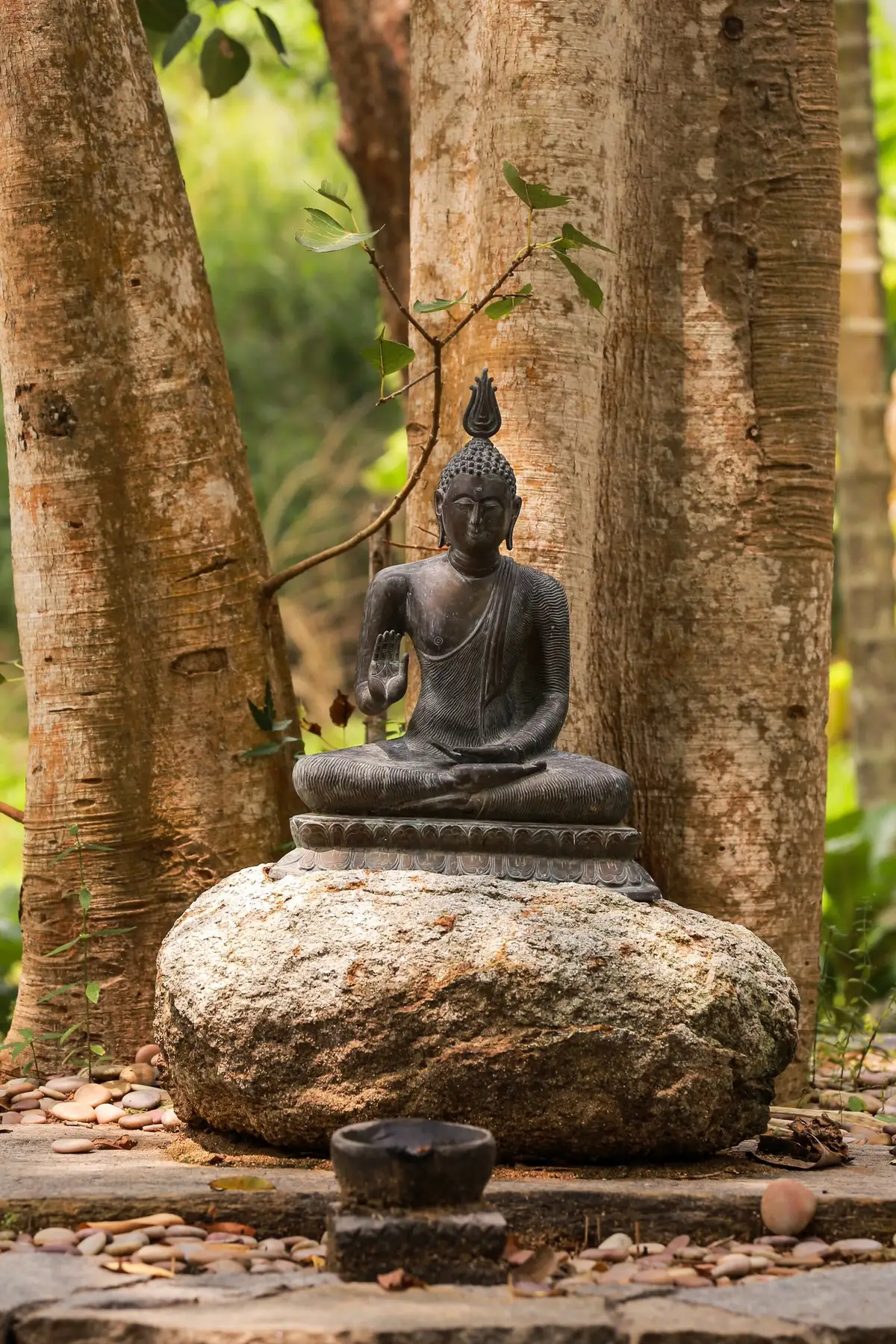
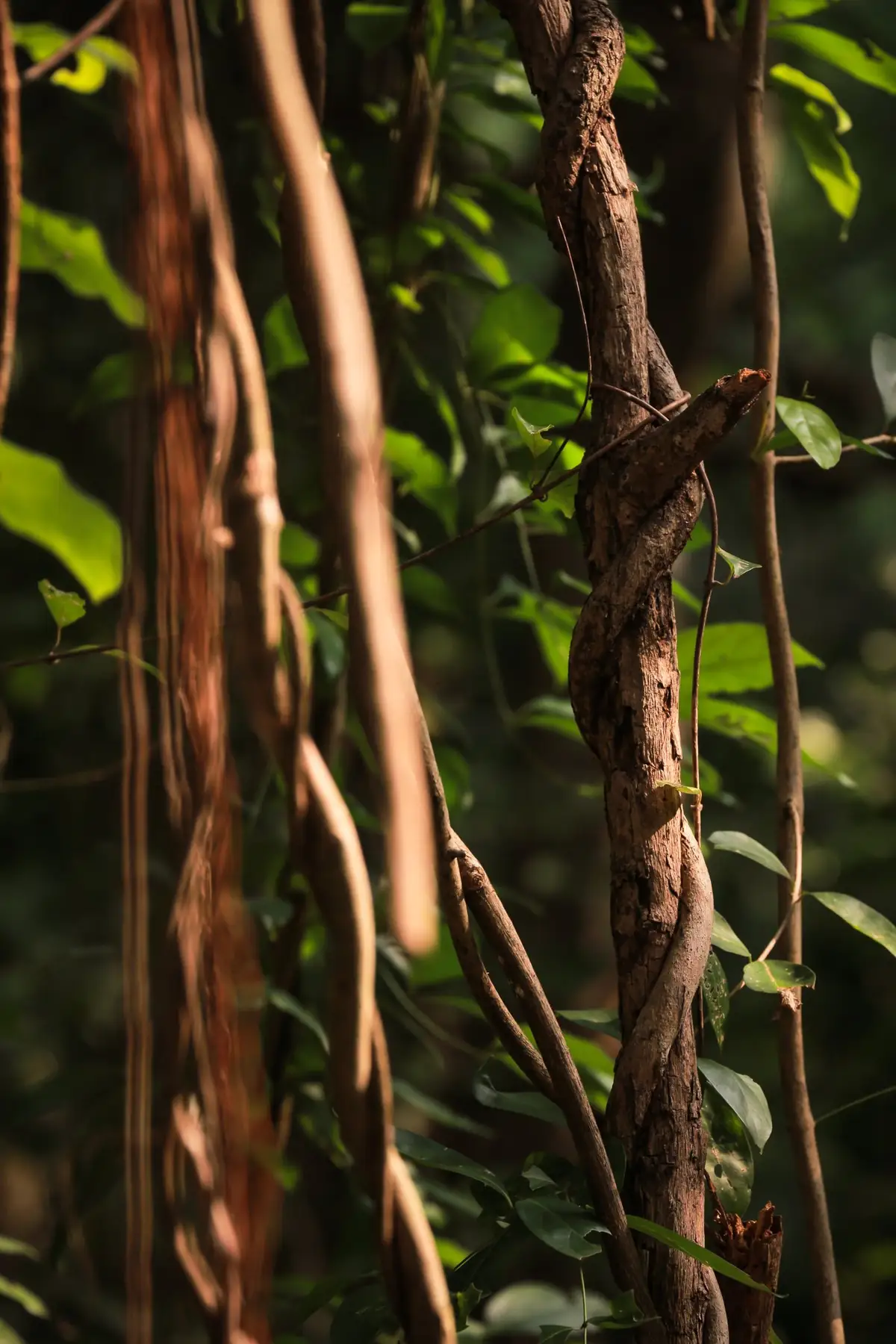





I have been watching this shift for years, long before it had a name. Ulpotha in Sri Lanka has operated on these principles for nearly three decades. No WiFi. No electricity. Yoga by dawn light, vegetarian meals cooked over open fires, evenings lit entirely by oil lamps. Twenty years ago that sounded radical. In 2026, it sounds like exactly what we all need.
Which Hotels Are Getting It Right
The properties and hotels leading this shift tend to share certain qualities. They are small, often owner-run, and built around a genuine philosophy rather than a brand strategy document. They attract guests who are self-selecting, people who actually want to be present rather than people who have come to be seen.
The best boutique hotels have always known that luxury is not about what you add. It’s about what you protect. Less is more. The quiet. The stillness. The feeling that nothing requires your immediate attention.
That, finally, has a name. And it’s the most important thing happening in the hotel industry and travel right now.
Looking for a hushpitality hotel? Browse my boutique hotel recommendations or get in touch with me directly at lulu@lulusluxurylifestyle.uk