

Are We Designing Hotels for Instagram Instead of the People Who Stay in Them?
16 December 2025 · Written by Lulu Townsend · Travel & Lifestyle
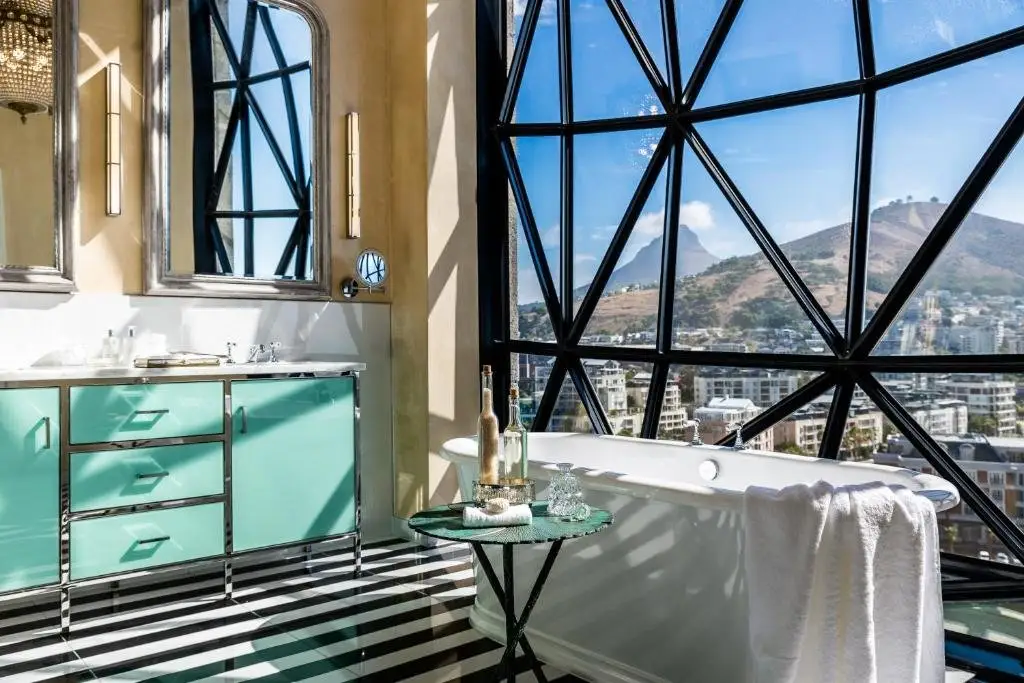
The Silo. bathroom view
Design trends change quickly, but the needs of real guests is essential. A room should be comfortable, intuitive and welcoming. Yet many new hotels seem to be built with cameras in mind instead of people. The focus is on angles, not ease. Aesthetic, not function. Visual impact, not practical living.
You feel it the moment you arrive at check-in. The entrance looks incredible in photos, but there’s nowhere comfortable to sit. The bedroom has one stylish chair, but no space to put your bag. Lighting that looks beautiful in a picture but leaves you dressing in the dark. Bathrooms with no shelves or towel rails. Architects and designers chase visual drama at the cost of comfort.
This design-first approach comes from the pressure to stand out online. Hotels want to compete in an industry where social media shapes perception. But in the rush to impress digital and social media audiences, many forget that the actual guests need to enjoy their stay and experience. They need hooks, plug sockets, surfaces, mirrors warmth and thoughtful flow and details.
Older hospitality professionals are rarely consulted during design stages. Yet they are the ones who understand how guests move, what they complain about, what they appreciate and what they struggle with. They know where bottlenecks form and where comfort is lost. Their insight is practical and often more valuable than any design mood board created by a team of young architects inexperienced in the hotel and hospitality world.
Ignoring this knowledge leads to spaces that look good but function poorly. Guests might post a lovely photo, but they won’t return. Repeat business comes from comfort. From spaces that work. From details that make life easier. From a great experience.
Then there is the language issue again. Marketing for these hotels often reads like it was produced by a single AI bot feeding the whole industry. “Your perfect escape awaits.” “A peaceful hideaway awaits.” “An unforgettable experience awaits.” If the room layout doesn’t disappoint you, the captions might. It’s tiring and boring to read. It shows a lack of care and charisma. Words deserve the same attention as interiors. Editing matters. Individuality matters. Brands lose their edge when their voice sounds identical to everyone else’s. Do they even know what their voice is? Do they have a tone-of-voice document in place?
Great design and comfort can coexist. Style can support substance rather than replace it. The best hotels manage both. They create rooms that photograph beautifully and feel even better to live in. They invite older team members into the design process. They consider the lived reality of a stay, not just the image of it and many stay in the rooms themselves to experience them as a guest would.
Hotels have an opportunity to reset the balance. Build for the guest, not the feed. Write with integrity, not automation. Honour experience, not trends.
This is the path to hospitality that lasts, the path to brand loyalty and one that will encourage guests to return.
Places that do this well are www.palazzopasserini.com in Cortona, Italy and the newly opened Kingsley House in Surrey www.kingsleyhouseescapes.co.uk where a guest’s happiness is their priority. Larger hotels that manage to do this well include Brown’s Hotel in London, the oldest hotel in the city, owned by Rocco Forte Hotels a group that absolutely understands hospitality and which puts the guest’s experience first.
I would love to hear from you about your hotel experiences and if there’s a hotel you return to again and again.